
Golden Pyrenees: The Complete 2026 Guide to This Majestic Gentle Giant Designer Breed
The Golden Pyrenees, also known as a Golden Retriever and Great Pyrenees mix, is one of the most impressive and heart-melting designer breeds of the last decade. Combining the joyful, people-pleasing personality of the Golden Retriever with the calm, protective, and majestic presence of the Great Pyrenees, these dogs are true gentle giants. With their fluffy coats, massive size, and loving dispositions, Golden Pyrenees often look like oversized teddy bears that somehow grew into 80–120+ pound family guardians.
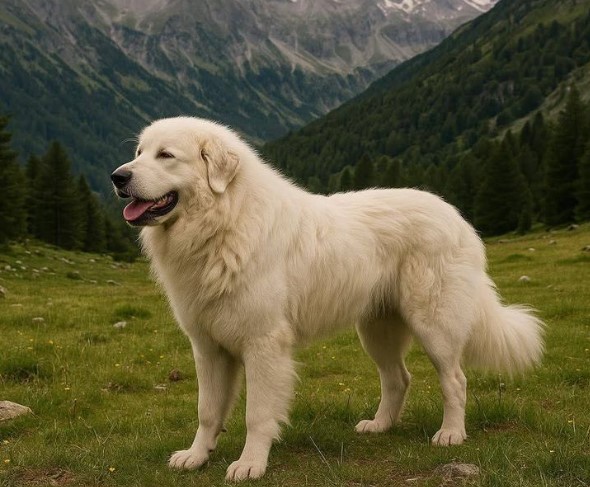
This comprehensive 3000+ word guide covers everything you need to know about the Golden Pyrenees in 2026 — from their origins and physical traits to temperament, training, grooming, health concerns, exercise needs, cost of ownership, and real-life experiences. Whether you’re considering adopting a Golden Pyrenees puppy, already raising one, or simply fascinated by this beautiful crossbreed, this article will provide the detailed insights you need for informed decisions.
Check Also: Ginger Dogs
Origins and History of the Golden Pyrenees
The Golden Pyrenees is a deliberate cross between two ancient and noble breeds. The Golden Retriever originated in Scotland in the mid-19th century, developed by Lord Tweedmouth for retrieving game birds. They quickly became favorites for their intelligence, trainability, and friendly nature. The Great Pyrenees, on the other hand, is an ancient livestock guardian breed from the Pyrenees Mountains between France and Spain. For centuries, these dogs protected flocks from wolves and bears with their imposing size, calm demeanor, and independent thinking.
Intentional crosses between Goldens and Pyrs began gaining popularity in the early 2000s as part of the designer dog movement. Breeders aimed to create a large, family-friendly dog with the Golden’s affectionate personality and the Pyrenees’ protective instincts and hardiness. While not recognized by major kennel clubs like the AKC (as it is a hybrid), the Golden Pyrenees has developed a dedicated following among owners who value their balanced traits.
First-generation (F1) Golden Pyrenees show more variation, while multi-generational breeding programs work toward more consistency in size, coat, and temperament.
Physical Characteristics of Golden Pyrenees
Golden Pyrenees are large to giant dogs with impressive builds:
- Size: Males typically 27–32+ inches tall at the shoulder and 85–120+ pounds. Females are slightly smaller (24–30 inches, 70–100+ pounds). They reach full size around 18–24 months.
- Coat: Thick double coat that is usually cream, gold, white, or combinations. Many inherit the Golden’s feathering on legs, tail, and chest, combined with the Pyrenees’ dense undercoat. The coat is weather-resistant but sheds heavily.
- Head and Face: Broad skull, expressive dark eyes, and a friendly expression. Ears are often floppy like the Golden’s but can vary.
- Body: Strong, muscular build with a deep chest and sturdy legs. Many have the Pyrenees’ signature “bear-like” appearance with a slight mane around the neck.
- Tail: Plumed and often carried low or curled when relaxed.
Puppies are especially adorable — massive fluffy balls with oversized paws and sweet faces that grow into majestic adults.
Temperament and Personality
Golden Pyrenees typically blend the best (and sometimes challenging) traits of both parent breeds:
Positive Traits:
- Extremely loyal and affectionate with family
- Good with children when properly socialized
- Protective without being overly aggressive
- Intelligent and trainable (though sometimes independent)
- Calm and patient in the house once mature
- Excellent watchdogs with a deep bark
Potential Challenges:
- Can be strong-willed and independent like the Pyrenees
- High energy as puppies and adolescents (Golden influence)
- Prone to “guardian” barking if bored or under-exercised
- May be wary of strangers or other dogs without early socialization
- Large size means they can accidentally knock over small children or elderly family members during play
Most Golden Pyrenees mature into wonderful family dogs who are gentle with their people but naturally protective of their territory.
Training a Golden Pyrenees
Training this mix requires patience, consistency, and positive reinforcement. They respond best to food rewards, praise, and play.
Key Training Tips:
- Start early (8–16 weeks socialization window is critical)
- Use short, fun sessions to prevent boredom
- Focus on recall, leash manners, and “leave it” commands
- Channel their guardian instincts into appropriate behaviors
- Consider professional training classes, especially for first-time giant breed owners
Many owners note that Golden Pyrenees become significantly easier to manage after 2–3 years once they move past the energetic puppy and adolescent phases.
Exercise and Enrichment Needs
Golden Pyrenees need moderate to high exercise:
- 45–90 minutes daily (walks, yard play, hiking)
- Mental stimulation through puzzle toys, scent work, and training
- Safe off-leash time in fenced areas (they can have strong prey drive or wandering tendencies)
Puppies should not be over-exercised to protect growing joints. As adults, they enjoy calm companionship indoors but need regular activity to stay balanced.
Grooming Requirements
The thick double coat requires significant maintenance:
- Brushing 3–5 times per week (daily during shedding seasons)
- Professional grooming every 6–8 weeks recommended
- Regular nail trims, ear cleaning, and dental care
- Heavy shedding is common — invest in good vacuums and lint rollers
Start grooming routines while they are puppies to make it a positive experience.
Health Concerns and Lifespan
Golden Pyrenees generally live 10–14 years. Common health issues include:
- Hip and elbow dysplasia (from both parents)
- Cancer (Golden Retriever influence)
- Bloat (GDV) — common in deep-chested large breeds
- Heart conditions
- Eye issues
- Skin allergies
Reputable breeders health-test parents for hips, elbows, eyes, heart, and genetic conditions. Regular veterinary check-ups, proper weight management, and joint supplements help extend quality of life.
Feeding and Nutrition
Feed high-quality large/giant breed formulas:
- High protein for muscle maintenance
- Controlled calcium/phosphorus for bone health during growth
- Joint supplements (glucosamine, chondroitin, omega-3s)
- Portion control to prevent obesity — these dogs can pack on weight quickly
Avoid free-feeding. Split meals into 2–3 portions daily for adults.
Cost of Owning a Golden Pyrenees
- Puppy Price: $1,500–$4,000+ from reputable breeders.
- First Year: $3,000–$6,000+ (supplies, training, spay/neuter, initial health care).
- Annual Costs: $2,000–$4,500 (premium food, grooming, vet care, etc.).
Giant breeds are expensive to maintain long-term.
Pros and Cons of Golden Pyrenees
Pros:
- Striking, majestic appearance
- Loyal and protective of family
- Generally gentle with children
- Intelligent and trainable with patience
- Adaptable to family life when exercised properly
Cons:
- Large size requires space and strong handling
- Heavy shedding and grooming demands
- Can be independent/stubborn
- Potential for high energy in younger years
- Higher health and food costs
Real-Life Experiences
Owners frequently describe Golden Pyrenees as “gentle protectors.” One family shared how their Golden Pyrenees calmly watched over their toddlers while being playful and affectionate. Another owner praised their dog’s intelligence and loyalty after successful training through positive methods. Common challenges include managing heavy shedding and teaching boundaries with their large size.
Finding a Golden Pyrenees
Look for ethical breeders who health-test and raise puppies in home environments. Consider rescues and breed-specific organizations, as many Golden Pyrenees mixes end up in shelters needing homes.
FAQs About Golden Pyrenees
1. How big do Golden Pyrenees get? Typically 70–120+ pounds and 24–32 inches tall. They are true giant breed dogs.
2. Are Golden Pyrenees good with children? Yes, when properly socialized and supervised. Their gentle nature makes them excellent family dogs.
3. How much do they shed? Very heavily, especially seasonally. Daily brushing is necessary.
4. Are Golden Pyrenees easy to train? They are intelligent but can be independent. Positive reinforcement and consistency work best.
5. What is the average lifespan? 10–14 years with good care.
6. Do they make good guard dogs? Yes — they have strong protective instincts from the Pyrenees side while remaining family-friendly.
7. Are they good apartment dogs? Not ideal due to size and exercise needs. A house with a yard is preferable.
8. How much exercise do they need? 45–90 minutes daily plus mental stimulation.
9. Are Golden Pyrenees hypoallergenic? No — they shed heavily and produce dander.
10. Is a Golden Pyrenees right for first-time owners? Possible with research and commitment, but experience with large breeds is helpful.
Conclusion
The Golden Pyrenees is a magnificent blend of two wonderful breeds — the joyful Golden Retriever and the noble Great Pyrenees. These gentle giants bring size, beauty, loyalty, and protection into families who have the space, time, and dedication to meet their needs. While they require significant grooming, exercise, training, and financial investment, the reward is a devoted, majestic companion who will guard your heart as fiercely as they guard your home.
If you’re ready for a large, fluffy, loving dog with a personality as big as their size, a Golden Pyrenees might be the perfect match. Always choose ethical sources, prioritize health testing, invest in proper training and socialization, and prepare for years of joy with your majestic golden giant.
In 2026, as designer breeds continue evolving, the Golden Pyrenees stands out as one of the most impressive and affectionate options for active, committed families. Welcome one into your life, and you’ll gain not just a dog, but a loyal, loving member of the family for years to come.


