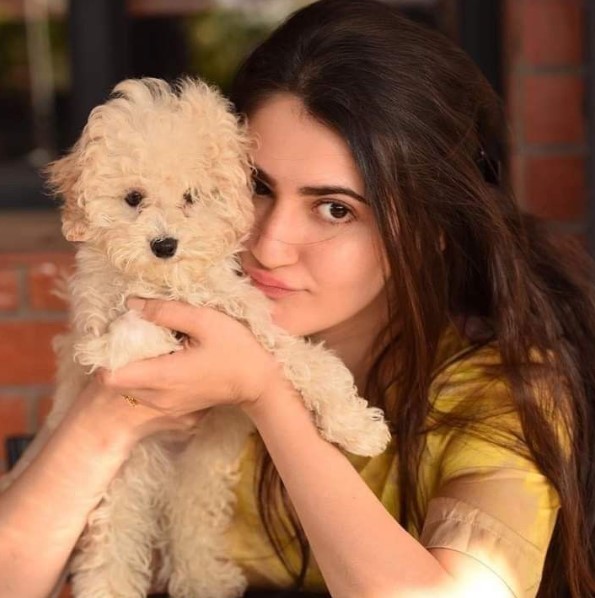
Fluffy Cute Small Dogs: The Ultimate Guide to These Adorable Tiny Companions
Fluffy cute small dogs have an almost universal appeal. Their soft, cloud-like coats, big round eyes, tiny paws, and playful personalities make them irresistible to millions of people around the world. Whether it’s a Pomeranian bouncing like a cotton ball, a Shih Tzu with its teddy-bear face, a Bichon Frise looking like a walking marshmallow, or a Maltese with flowing white silk, these small fluffy dogs trigger an immediate “aww” response in most humans.

In 2026, fluffy small breeds continue to dominate searches for “cute small dogs,” Instagram feeds, and adoption lists. Their compact size makes them perfect for apartments, travel, and busy lifestyles, while their fluffy appearance and affectionate nature provide emotional comfort and endless photo opportunities. This 3000-word article explores the world of fluffy cute small dogs in depth: the most popular breeds, what makes them so appealing, their care requirements, health considerations, training challenges, pros and cons, and why they remain such beloved companions.
Check Also: Small Doodle Breeds
Why Fluffy Cute Small Dogs Capture Our Hearts
The appeal of fluffy small dogs goes beyond simple cuteness. Research in psychology and animal behavior shows that humans are hardwired to respond positively to features that resemble human babies — large eyes, round faces, soft textures, and small size. This “baby schema” (kindchenschema) triggers protective instincts and releases oxytocin, the bonding hormone. Fluffy coats amplify this effect by adding a tactile softness that makes people want to cuddle and protect them.
Small fluffy dogs also fit modern life perfectly:
- They require less space and food than large breeds.
- They are easier to travel with and carry.
- Their long lifespans (often 12–18 years) provide more years of companionship.
- Their playful, affectionate personalities offer daily joy and emotional support.
However, owning a fluffy small dog is not all cuddles and Instagram moments. Many of these breeds come with significant grooming, health, and behavioral challenges that can surprise unprepared owners.
Most Popular Fluffy Cute Small Dog Breeds
Here are some of the most beloved fluffy small breeds and what makes each one special:
1. Pomeranian The ultimate fluffy ball of energy. Pomeranians have a thick double coat that stands out, giving them a lion-like mane. They weigh 3–7 pounds and are known for their bold, extroverted personality despite their tiny size. They are intelligent, playful, and love to be the center of attention. Grooming is moderate to high — daily brushing is needed to prevent matting.
2. Shih Tzu Often called a “teddy bear dog,” the Shih Tzu has a long, flowing coat that requires daily brushing or regular professional grooming. They are affectionate, stubborn, and love lap time. Their flat face makes them prone to breathing and eye issues. Many owners keep them in a short “puppy cut” for easier maintenance.
3. Bichon Frise A walking cotton ball with a pure white, curly coat that is hypoallergenic for many people. Bichons are cheerful, playful, and highly social. They need regular grooming (every 4–6 weeks) to maintain their signature fluffy look. They are excellent therapy dogs due to their gentle, happy nature.
4. Maltese Known for their long, silky white coat and sweet expression. Maltese are gentle, affectionate, and relatively quiet. They are prone to tear staining and dental issues. Daily brushing is essential to keep the coat from matting.
5. Cavalier King Charles Spaniel Fluffy ears and a silky coat make this breed look like a living stuffed animal. Cavaliers are exceptionally affectionate, gentle, and good with children. They are prone to heart disease (mitral valve disease), so regular vet checkups are important.
6. Havanese Cuba’s national dog has a soft, wavy coat that comes in many colors. Havanese are cheerful, intelligent, and highly trainable. They are less yappy than some small breeds and adapt well to apartment life.
7. Yorkshire Terrier (Yorkie) Although often clipped short, Yorkies have a long, silky coat when left natural. They are confident, sassy, and fiercely loyal. They are prone to dental disease and tracheal collapse.
8. Toy Poodle Curly, hypoallergenic coat in many colors. Toy Poodles are highly intelligent, trainable, and active. They need regular clipping to maintain their fluffy appearance.
9. Miniature Schnauzer Bearded face and wiry coat give them a distinctive look. They are energetic, intelligent, and excellent watchdogs. Regular grooming is required to keep the coat neat.
10. Designer Fluffy Mixes Popular crosses like Maltipoo (Maltese × Toy Poodle), Pomapoo (Pomeranian × Toy Poodle), Cavapoo (Cavalier × Toy Poodle), and Shichon (Shih Tzu × Bichon) combine the best traits of two fluffy breeds. They often have softer coats and more predictable temperaments, but size and coat type can vary.
The Joys of Owning a Fluffy Small Dog
Fluffy small dogs offer unique pleasures:
- Cuddle Factor — Their soft coats make them perfect lap warmers.
- Portability — Easy to carry, travel with, and take on adventures.
- Longevity — Many live 12–18 years, providing more years of companionship.
- Emotional Support — Their affectionate nature makes them excellent therapy or emotional support animals.
- Social Icebreakers — Their cuteness starts conversations everywhere.
Many owners say their fluffy small dog helped them through difficult times — loneliness, anxiety, or grief — by providing constant, unconditional love.
The Challenges of Fluffy Small Dogs
Despite their appeal, fluffy small dogs come with real challenges that can surprise unprepared owners:
Grooming Demands Most fluffy breeds require regular brushing and professional grooming. Mats can form quickly, leading to painful skin issues. Neglected coats can cause serious discomfort and infections. Grooming costs add up quickly ($50–$120+ per visit every 4–8 weeks).
Health Issues Small fluffy breeds are prone to:
- Dental disease (small mouths crowd teeth).
- Patellar luxation (slipping kneecaps).
- Tracheal collapse.
- Eye problems (tear staining, ulcers).
- Heart disease (especially Cavaliers).
- Obesity (extra weight stresses joints and back).
Behavioral Quirks
- Many develop “small dog syndrome” — excessive barking, snapping, or bossiness — if spoiled or poorly trained.
- Separation anxiety is common because they bond so strongly with their people.
- Some are surprisingly stubborn during training.
Fragility Their small size makes them vulnerable to injury from rough play, falls, or larger dogs. Owners must be careful with young children and other pets.
Preparing for a Fluffy Small Puppy
If you decide to bring home a fluffy small puppy:
- Puppy-proof your home thoroughly (cords, small objects, toxic plants).
- Invest in quality grooming tools and schedule professional grooming early.
- Choose a high-quality small-breed puppy food.
- Start socialization and training immediately.
- Budget for potential health and grooming costs.
Training Tips for Fluffy Small Dogs
Small fluffy dogs are intelligent but can be stubborn. Use positive reinforcement, short sessions, and plenty of patience. Focus on:
- House training (frequent potty breaks).
- Bite inhibition (they love to mouth).
- Leash manners (many pull or refuse to walk).
- Socialization to prevent fearfulness or excessive barking.
Frequently Asked Questions (FAQs)
1. What are the most popular fluffy small dog breeds? Pomeranian, Shih Tzu, Bichon Frise, Maltese, Cavalier King Charles Spaniel, Havanese, and Toy Poodle are among the most popular.
2. Are fluffy small dogs good for apartments? Yes, most adapt well to apartment life if given daily exercise and mental stimulation.
3. How much grooming do fluffy small dogs need? Daily brushing for long coats and professional grooming every 4–8 weeks. Short “puppy cuts” reduce maintenance but still require regular touch-ups.
4. Do fluffy small dogs live longer than large breeds? Yes, many live 12–18 years with good care.
5. Are they good with children? Many are gentle with respectful older children, but supervision is essential with toddlers because small dogs can be easily injured.
6. Which fluffy small breed is the easiest to train? Toy Poodle and Havanese are among the most trainable. Shih Tzu and Pomeranian can be more stubborn.
7. Are fluffy small dogs hypoallergenic? Some (Toy Poodle, Bichon Frise, Maltese) shed less and are better for allergy sufferers, but no breed is truly hypoallergenic.
8. How much exercise do fluffy small dogs need? 20–40 minutes daily, split into short sessions. Mental stimulation is equally important.
9. What health problems are common in fluffy small breeds? Dental disease, patellar luxation, tracheal collapse, eye issues, and heart disease (especially in Cavaliers).
10. Is it better to adopt or buy a fluffy small puppy? Adoption is often the most ethical and affordable choice. Many small fluffy dogs end up in rescue due to grooming or health issues.
11. Are fluffy small dogs good for first-time owners? They can be, but grooming and training commitment is higher than many people expect.
12. Which fluffy small breed is the best for seniors? Cavalier King Charles Spaniel and Maltese are often recommended for their gentle, affectionate nature.
Conclusion
Fluffy cute small dogs bring an incredible amount of joy, comfort, and laughter into people’s lives. Their soft coats, big eyes, tiny paws, and playful personalities make them perfect companions for apartments, busy lifestyles, and anyone who wants a long-term furry friend. Breeds like the Pomeranian, Shih Tzu, Bichon Frise, Maltese, and their designer mixes have captured millions of hearts for good reason.
However, owning a fluffy small dog is not all cuddles and Instagram moments. Many of these breeds require significant grooming, regular veterinary care, consistent training, and protection from injury due to their small size. The “cute trap” leads many people to adopt or buy on impulse without understanding the daily commitment involved.
The key to success with any fluffy small dog is realistic expectations, proper preparation, and a genuine willingness to meet the breed’s needs. When those conditions are met, a fluffy small dog can become one of the most rewarding companions you will ever have — a loyal friend who provides years of love, laughter, and emotional support.
If you’re considering bringing a fluffy small puppy into your life, take time to research the breed, prepare your home, budget for grooming and vet care, and commit to training and socialization. Whether you choose a purebred or a rescue mix, the right fluffy small dog can fill your home with joy for many happy years.