Gentle Exercises to Help Your Dog With Hip Dysplasia
According to the American Veterinary Medical Association’s 2023 orthopedic health survey, hip dysplasia affects approximately 20% of all dogs, with larger breeds facing rates as high as 70%. Yet here’s what surprises most pet owners: complete rest isn’t the answer. While it seems logical to minimize movement when joints are compromised, veterinary orthopedic specialists increasingly emphasize that gentle, targeted exercise actually helps preserve mobility and reduce pain in dysplastic dogs.
The shift toward exercise-based management reflects a deeper understanding of how canine joints function under stress. Dogs with hip dysplasia who maintain appropriate activity levels typically experience better long-term outcomes than those whose owners restrict all physical activity out of concern for causing damage. The key lies in understanding which movements support joint health versus those that worsen the condition.
For the millions of families navigating a hip dysplasia diagnosis, this distinction matters enormously. The exercises you choose — and how you implement them — can mean the difference between a dog who remains active and comfortable for years versus one whose mobility steadily declines. What follows is a practical guide to the specific movements, techniques, and safety considerations that veterinary rehabilitation specialists recommend for managing this complex condition.
How Gentle Exercise Benefits Dogs With Hip Dysplasia
The physiology behind exercise therapy for hip dysplasia centers on a principle that seems counterintuitive: controlled movement actually stabilizes unstable joints. When a dog with hip dysplasia engages in appropriate exercise, several beneficial processes occur simultaneously. The surrounding muscle groups — particularly the gluteal and thigh muscles — strengthen to provide additional support for the loose hip joint. Meanwhile, gentle movement promotes the circulation of synovial fluid, which lubricates the joint and delivers nutrients to cartilage tissue.
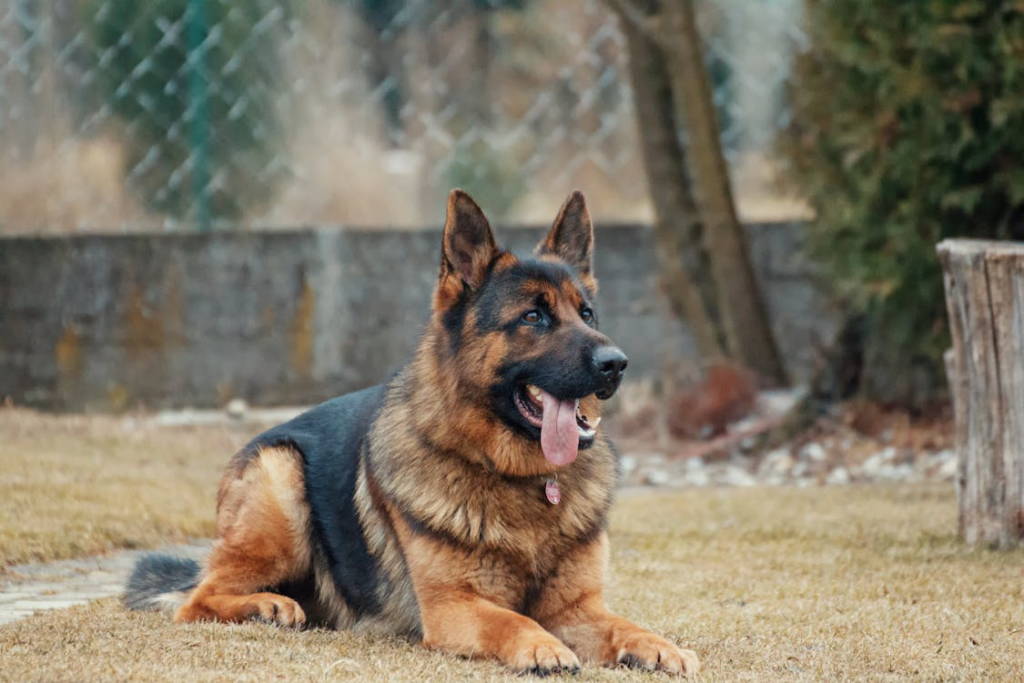
Consider a scenario many owners face: their veterinarian diagnoses hip dysplasia in their two-year-old German Shepherd, and their first instinct is to eliminate walks, discourage play, and essentially turn their active dog into a couch companion. Within months, that dog often develops muscle atrophy, weight gain, and ironically, increased joint stiffness. The lack of movement actually accelerates the deterioration they were trying to prevent.
Range of motion exercises serve as the foundation of most therapeutic programs because they maintain joint flexibility without placing excessive stress on damaged cartilage. When performed correctly, these movements help prevent the formation of adhesions and scar tissue that can further limit mobility. Physical therapists working with dysplastic dogs often emphasize passive range of motion first — where the owner gently moves the dog’s leg through its natural arc of movement while the dog remains relaxed.
The cardiovascular benefits shouldn’t be overlooked either. Dogs with hip dysplasia who maintain appropriate exercise routines typically sustain healthier body weights, which directly reduces the mechanical load on their compromised joints. Every additional pound of body weight translates to roughly four pounds of additional pressure on the hip joints during movement. For a dysplastic dog already dealing with joint instability, maintaining optimal weight through controlled exercise becomes crucial for long-term comfort and mobility.
Best Exercises and Correct Techniques for Hip Dysplasia
Effective exercise therapy for hip dysplasia involves low-impact movements that build strength without jarring the joints. The most beneficial exercises focus on controlled, deliberate movements rather than high-energy activities that involve sudden direction changes or impact forces. Understanding proper technique makes the difference between therapeutic benefit and potential harm.
Controlled leash walking forms the cornerstone of most exercise programs, but the approach differs significantly from typical dog walks. Instead of allowing the dog to set the pace or investigate every interesting scent, therapeutic walking involves steady, measured steps on flat, even surfaces. The ideal pace allows the dog to maintain a consistent gait without panting or showing signs of fatigue. Many rehabilitation specialists recommend starting with 5-10 minute sessions twice daily, gradually increasing duration as the dog’s tolerance improves.
Sit-to-stand exercises target the specific muscle groups that support hip joint stability. The technique involves encouraging the dog to sit, then stand, in a slow, controlled manner without allowing them to rush through the movement. Some dogs naturally want to spring up quickly from a sitting position, but therapeutic benefit comes from the slow, deliberate engagement of the gluteal and quadriceps muscles. Performing 5-10 repetitions twice daily helps build the muscular support system around the hip joints.
Core strengthening activities may seem less obvious, but they play a critical role in overall stability. When a dog’s core muscles are strong, they provide better support for the spine and pelvis, which reduces compensatory stress on the hip joints. Simple exercises like having the dog stand on slightly uneven surfaces — such as a thick yoga mat or balance disc — engage these stabilizing muscles without requiring complex movements.
Hydrotherapy and Swimming
Water-based exercise represents the gold standard for dogs with hip dysplasia because buoyancy eliminates approximately 60% of the dog’s body weight while still allowing full range of motion. Professional hydrotherapy pools maintain water temperatures between 83-88°F, which helps relax muscles and increase circulation to affected joints. The hydrostatic pressure of water also provides gentle compression that can reduce swelling and support weak muscle groups.
Swimming technique matters significantly for therapeutic benefit. Dogs should move through the water using steady, rhythmic strokes rather than frantic paddling. Many facilities use underwater treadmills that allow precise control of water depth and walking speed. At chest-deep water levels, dogs can practice normal walking gaits while experiencing dramatically reduced joint stress.
For owners without access to professional hydrotherapy facilities, carefully supervised swimming in appropriate natural water bodies can provide similar benefits. The key considerations include water temperature, current strength, and entry/exit points that don’t require jumping or climbing. Many dogs initially resist water therapy, so gradual introduction with positive reinforcement typically yields better long-term compliance than forced immersion.
Leash Walking and Core Strengthening
Proper leash walking technique for hip dysplasia management requires more attention to pace and surface than typical recreational walks. The ideal surface provides good traction without being too hard — grass, dirt trails, or rubberized surfaces work better than concrete or asphalt. Hill work should generally be avoided during acute phases, though gentle inclines may be introduced as the dog’s condition stabilizes and strength improves.
Figure-eight walking patterns can help improve coordination and strengthen stabilizing muscles, but the circles should be large and gradual rather than tight turns that stress the hip joints. Many rehabilitation protocols incorporate specific patterns like walking in large squares or gentle curves to challenge proprioception — the dog’s awareness of body position — while maintaining therapeutic benefit.
Balance and coordination exercises often involve simple modifications to regular activities. Having the dog stand with front paws elevated on a low, stable platform while keeping rear paws on the ground engages core muscles and encourages weight-bearing on the rear legs. Similarly, walking over low obstacles like pool noodles or small logs encourages deliberate leg placement and strengthens supporting muscle groups.
Common Mistakes and Safety Considerations in Exercise
The most frequent error owners make involves pushing through pain signals in an attempt to maintain exercise schedules. Dogs with hip dysplasia may show subtle signs of discomfort that owners miss or misinterpret. Heavy panting after minimal exertion, reluctance to continue moving, or changes in gait pattern all indicate the need to reduce intensity or duration immediately.
Overexertion manifests differently in dogs than in humans — they rarely lie down and refuse to move, but instead may show decreased enthusiasm for activities they previously enjoyed, increased stiffness after rest periods, or behavioral changes like increased irritability or withdrawal. Many dogs, particularly those with strong work drives or people-pleasing personalities, will continue exercising despite significant discomfort if their owners encourage them to do so.
Temperature considerations become critical for dogs with joint issues. Cold weather often increases joint stiffness, making warm-up periods essential before any exercise session. Conversely, hot weather poses overheating risks for dogs whose exercise tolerance may already be compromised. Indoor exercise options become valuable during temperature extremes, whether that involves swimming in heated pools, walking in climate-controlled facilities, or performing range-of-motion exercises in the home.
Medication timing can significantly impact exercise safety and effectiveness. Many dogs with hip dysplasia receive anti-inflammatory medications or pain management drugs that may mask discomfort during activity. While this can improve quality of life, it also removes important feedback mechanisms that would normally signal overexertion. Working with veterinarians to understand how medications affect exercise tolerance helps owners make safer decisions about activity levels.
Depending on the severity and type of discomfort, a veterinarian may also discuss options such as gabapentin medication for dogs as part of a broader approach to managing pain and supporting daily comfort.
The frequency and duration of exercise sessions require careful calibration. More frequent, shorter sessions typically produce better results than occasional longer workouts. Most rehabilitation specialists recommend twice-daily sessions ranging from 10-20 minutes rather than single extended periods that may fatigue the dog or stress compromised joints. Beyond the immediate considerations, recognizing when professional support becomes necessary can make the difference between successful home management and progressive deterioration requiring treatment options for hip dysplasia that extend beyond exercise therapy alone.
Rest day scheduling matters as much as active exercise days. Dogs recovering from exercise sessions need time for muscle repair and joint recovery, particularly when building strength in previously underused stabilizing muscles. Signs that rest periods need extension include increased stiffness the day after exercise, reluctance to initiate movement, or regression in previously mastered exercises.
Customizing Exercise by Dog Size, Age, and Dysplasia Severity
Large breed dogs face fundamentally different challenges than their smaller counterparts when managing hip dysplasia. A 90-pound German Shepherd places far more mechanical stress on compromised joints than a 20-pound Cocker Spaniel, requiring more conservative exercise progressions and greater attention to joint protection. Large dogs also tend to have higher exercise requirements under normal circumstances, making the transition to therapeutic movement patterns more dramatic for both dog and owner.
Small breed modifications often center on preventing overcompensation behaviors rather than managing excessive joint stress. Smaller dogs may develop abnormal movement patterns more quickly when experiencing hip discomfort, potentially creating secondary issues in other joints or muscle groups. Their exercise programs typically emphasize maintaining normal movement patterns and preventing muscle atrophy rather than building significant additional strength.
Senior dogs with hip dysplasia present unique considerations that blend age-related changes with joint-specific issues. Older dogs often have decreased muscle mass, reduced flexibility, and longer recovery times between exercise sessions. Their therapeutic programs typically involve gentler progressions and may incorporate additional modalities like massage or heat therapy to address age-related stiffness that compounds hip-specific problems.
Severity staging dramatically influences appropriate exercise choices. Dogs with mild dysplasia may tolerate swimming, controlled hiking, and various strengthening exercises, while those with severe joint degeneration might require limitation to range-of-motion work and very gentle walking programs. Veterinary assessment of joint stability, pain levels, and functional capacity should guide these decisions rather than owner observations alone.
Puppy considerations require balancing joint protection with normal development needs. Young dogs with hip dysplasia still need socialization, mental stimulation, and appropriate physical development, but high-impact activities like jumping, extended running, or rough play with other dogs may need modification. Swimming often becomes particularly valuable for puppies because it allows normal exercise benefits without stressing developing joints.
Veterinary Recommendations and Current Research on Hip Dysplasia Exercises
Current veterinary orthopedic research increasingly supports early intervention with controlled exercise programs rather than waiting for symptoms to progress before implementing movement therapy. Studies published in veterinary rehabilitation journals show that dogs beginning structured exercise programs within six months of diagnosis typically maintain better long-term function than those whose treatment focuses primarily on medication management.
Emerging research on muscle strengthening suggests that targeted exercises for specific muscle groups can provide measurable improvements in joint stability even in dogs with moderate to severe hip dysplasia. Veterinary rehabilitation specialists now commonly use techniques borrowed from human physical therapy, adapted for canine anatomy and behavior patterns.
The integration of technology into canine rehabilitation continues expanding treatment options. Underwater treadmills, therapeutic lasers, and pressure-sensing platforms allow more precise monitoring of exercise progress and joint function. Many specialty practices now offer gait analysis services that can identify subtle compensation patterns and guide exercise modifications.
Looking ahead, veterinary professionals increasingly recognize that successful hip dysplasia management requires individualized programs that evolve with each dog’s changing needs. The most effective approaches combine owner education, regular professional assessment, and willingness to modify programs based on the dog’s response rather than rigid adherence to predetermined protocols. As our understanding of canine biomechanics continues advancing, the exercise options available to dogs with hip dysplasia will likely expand, offering hope for maintained mobility and quality of life even in severely affected animals.