Catahoula Leopard Dog Personality: The Complete Guide to the “Leopard Cur” Character
The Catahoula Leopard Dog—often simply called the Catahoula, Catahoula Cur, or Hog Dog—is one of the most distinctive and polarizing breeds in the American canine landscape. With its marbled “leopard” coat, intense pale eyes (frequently heterochromatic or “cracked”), athletic build, and raw, untamed energy, the Catahoula is instantly recognizable. Yet it is the breed’s personality—a complex blend of fierce independence, deep loyalty, high intelligence, protective instincts, and relentless work ethic—that truly defines it and separates it from more conventional companion breeds.

Far from being a typical “lap dog” or easy-going family pet, the Catahoula Leopard Dog is a high-octane, purpose-bred working dog whose character was forged over centuries in the swamps, forests, and cattle ranches of Louisiana. Understanding its temperament is essential before bringing one into your life: this is not a breed that molds itself easily to every household. When matched with the right owner, however, the Catahoula becomes an extraordinarily devoted, capable, and unforgettable partner.
Check Also: Ugly Dog Breeds
This 3000-word article explores the Catahoula Leopard Dog personality in depth—its core traits, how early environment and training shape behavior, age-related changes, common misconceptions, real-owner experiences, comparisons with similar breeds, and practical advice for living successfully with this powerful and complex dog.
1. Historical Context That Shaped the Catahoula Personality
The modern Catahoula is believed to descend from dogs brought by Spanish explorers in the 1500s (war dogs and herding breeds) that interbred with Native American dogs (likely Red Wolf hybrids or domesticated canids already present in the Southeast). Over centuries, these dogs adapted to the harsh Louisiana bayous, swamps, and pine forests, developing into a versatile working breed used for:
- Hog hunting (bay dogs that corner feral hogs without killing them)
- Cattle herding (heading and heeling with strong “eye”)
- Treeing game (squirrels, raccoons, bears)
- Guarding homesteads and families
This multi-purpose background produced a dog that had to be:
- independent and decisive (working alone or in small packs)
- courageous and physically tough
- intensely focused when working
- highly territorial and protective of “its” people and property
- resourceful and adaptable to swamp, forest, and open range
These historical roles are still deeply embedded in the breed’s DNA and explain many of the personality traits seen today.
2. Core Personality Traits of the Catahoula Leopard Dog
A. High Independence & Strong Will (“Hard-Headed”) Catahoulas are frequently described by owners and breeders as “hard-headed,” “stubborn,” or “strong-willed.” This independence stems from their history of working semi-autonomously. They think for themselves and will question commands they don’t see the point of. → Training style matters enormously: positive reinforcement + fair, consistent leadership works best. Harsh or inconsistent methods often backfire.
B. Intense Loyalty & “One-Person” Tendency Most Catahoulas bond very deeply with one or two people (often the primary handler/trainer). They are polite but reserved with strangers and can be aloof or suspicious until trust is earned. → Excellent watchdogs and protectors; many will place themselves between their person and perceived threats.
C. High Energy & Work Drive This is NOT a low-energy breed. Catahoulas have tremendous stamina and were bred to work long hours in difficult conditions. Without 90–120+ minutes of serious daily physical and mental exercise, they become bored, destructive, vocal, or obsessive (digging, pacing, barking). → They excel at: hog baying trials, cattle work, search & rescue, agility (when joints are mature), bikejoring, and nosework.
D. Prey Drive & Hunting Instinct Extremely high prey drive is standard. Many Catahoulas will chase cats, squirrels, deer, livestock, or even cars if not heavily trained against it. → Not recommended for homes with small pets unless raised together from puppyhood + constant management.
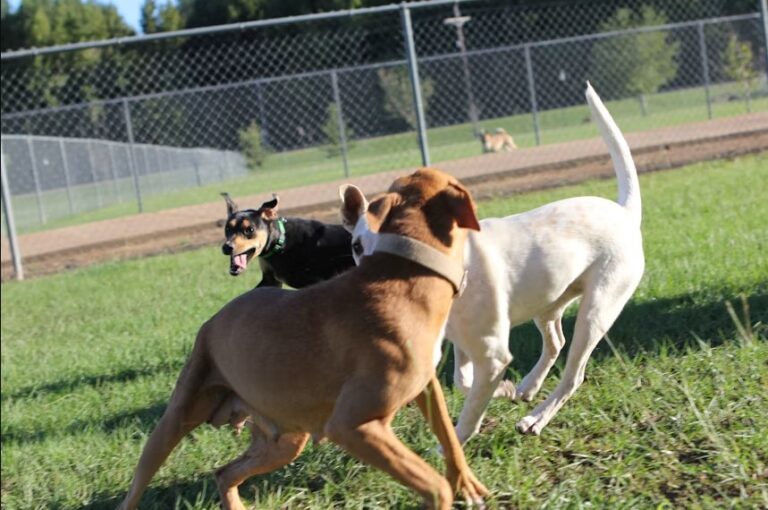
E. Dog Aggression / Selectivity Same-sex aggression and dog-selectivity are common (especially in intact males). Early, positive socialization is critical, but even well-socialized Catahoulas may remain selective or intolerant of strange dogs. → Dog parks are usually a bad idea after maturity.
F. Sensitivity & Emotional Depth Despite their tough exterior, most Catahoulas are emotionally sensitive. Harsh corrections, yelling, isolation, or unstable households can create fearfulness, anxiety, or shutdown. → They thrive on routine, clear leadership, and affection from their core people.
G. Intelligence & Problem-Solving Ability Catahoulas are among the smartest working breeds. They excel at complex tasks but will also use their brains to outsmart owners (opening gates, stealing food, escaping fences). → Bored Catahoulas become escape artists, diggers, or barkers.
H. Mouthiness & Bite Inhibition Puppies are very mouthy—chewing, nipping, and “herding” with teeth. Early bite-inhibition training is non-negotiable.
3. How Personality Develops Through Life Stages
8–16 weeks (critical socialization window) Fear-imprint period ends ~12 weeks. Expose gently to people, places, surfaces, sounds, handling, other calm dogs. Poor socialization → lifelong fearfulness or reactivity.
4–12 months (adolescent “teenager” phase) Testing boundaries, increased independence, possible fear periods around 6–9 months. Consistency and positive training are crucial.
1–3 years (young adult) Peak energy, confidence, and protective instincts emerge. Same-sex aggression often appears around 18–36 months.
4+ years (mature adult) Energy mellows (but still needs work), judgment improves, loyalty deepens. Many become calmer, more “velcro” with their people.
4. Living Successfully with a Catahoula Personality
- Exercise & Mental Work — Minimum 90–120 minutes/day of serious activity (running, hiking, bikejoring, nosework, flirt pole, herding trials, hog-bay practice). Puzzle toys, frozen Kongs, scent games essential.
- Leadership & Rules — Firm, fair, consistent rules from day one. No free-for-all affection or furniture privileges until rules are solid.
- Socialization — Controlled, positive exposures until at least 18–24 months.
- Containment — 6-foot+ secure fencing (many are jumpers/diggers); crates for management.
- Training Style — Positive reinforcement + fair corrections when needed. Force-free works for many; some require balanced methods.
- Household Fit — Experienced owners, active lifestyle, no small pets unless raised together, no very young children unless parents are committed to supervision.
5. Common Misconceptions & Stereotypes
- “They’re aggressive.” → Not inherently; poor breeding, lack of socialization, or abuse creates aggression. Well-raised Catahoulas are stable.
- “They’re low-energy.” → Completely false—most need significant daily work.
- “They’re good with all dogs.” → Many are dog-selective or same-sex aggressive.
- “They’re easy to train.” → Intelligent but strong-willed; training is challenging without experience.
6. Real Owner Experiences (Summarized from Forums & Groups 2024–2026)
- “Mine is my shadow—follows me everywhere, sleeps on my feet, but will bark and posture at strangers at the gate.” (Reddit r/Catahoula)
- “High prey drive—can’t trust him off-leash near wildlife.” (Catahoula Owners FB group)
- “Boredom = destruction. I bought a flirt pole and started nosework—life-changing.” (multiple owners)
- “Protective but gentle with my kids—lays across their laps like a blanket.” (common positive)
Frequently Asked Questions (FAQs)
1. Are Catahoulas naturally aggressive? No. Well-bred, socialized, and trained Catahoulas are confident and protective, not aggressive. Poor breeding, isolation, or abuse can create problems.
2. How much exercise does a Catahoula need? 90–120+ minutes of serious daily activity (physical + mental). They are high-drive working dogs.
3. Are they good with children? Yes—with respectful, supervised kids and proper socialization. Their size and energy require caution with toddlers.
4. Do Catahoulas get along with other dogs? Many are dog-selective or same-sex aggressive, especially after maturity. Early socialization helps, but don’t expect dog-park success.
5. Are they easy to train? Intelligent but strong-willed. Positive reinforcement + consistent leadership works best. They can outsmart inexperienced owners.
6. Do they bark a lot? Alert barkers—will vocalize at strangers, wildlife, or unusual activity. Train early to manage.
7. Are they good apartment dogs? Not typically—high energy and vocal nature make them poor apartment candidates unless the owner is extremely committed to exercise and enrichment.
8. How long do Catahoulas live? 10–14 years (average 12–13). Some lines live longer with excellent care.
9. Are they good guard dogs? Excellent natural guardians—protective of family and territory without being indiscriminately aggressive.
10. Do they shed a lot? Moderate shedding year-round; heavier twice a year.
11. Are they good for first-time dog owners? Generally no—high drive, strong will, and socialization/training needs make them better for experienced owners.
12. Can they be off-leash? Rarely. High prey drive and independence make reliable recall difficult for most.
Conclusion
The Catahoula Leopard Dog is not a beginner breed, not a low-energy pet, and not a dog that will happily lounge all day waiting for affection. It is a high-octane, intelligent, fiercely loyal working partner who needs purpose, exercise, mental challenges, strong leadership, and early socialization to thrive. When placed in the right home—with an active, experienced owner who understands working breeds—the Catahoula becomes an extraordinary companion: courageous protector, devoted shadow, tireless playmate, and watchful guardian rolled into one marbled, intense package.
If you want a dog that lives to be by your side, thinks for itself, protects what it loves, and rewards hard work with unbreakable loyalty, the Catahoula may be your perfect match. If you want a low-maintenance, easy-going couch companion or a dog-park social butterfly, look elsewhere.