The Complete Guide to Dog Boarding: What to Look For, What to Avoid
Leaving your dog in someone else’s care can feel like a big decision, especially if it’s your first time using a boarding service. The right dog boarding setup should feel safe, structured, and calm, not confusing or rushed. This guide walks through what to check before booking, what questions to ask, and which warning signs should make you pause.
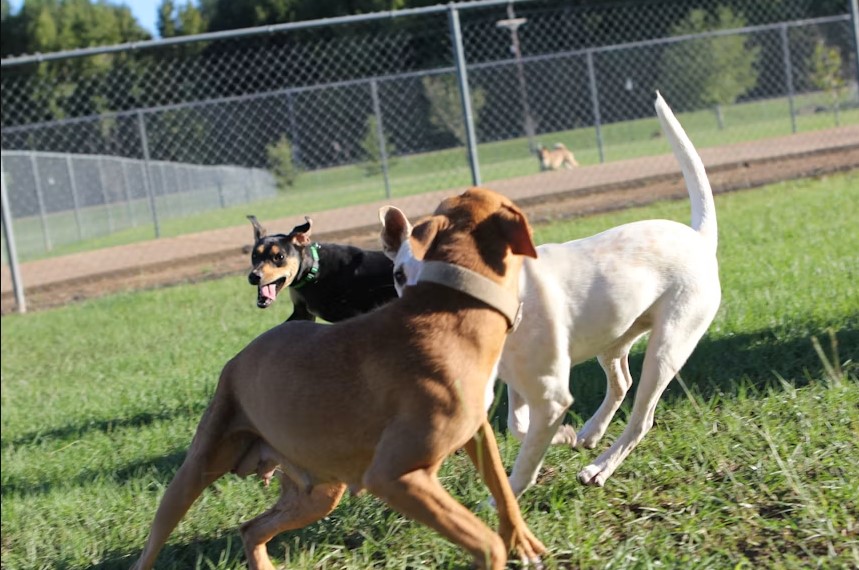
Start With Your Dog’s Needs Before Comparing Facilities
A good boarding choice starts with your dog, not the building. Some dogs love new environments, group play, and extra activity. Others need quiet routines, slower introductions, or more space away from unfamiliar dogs.
Think about your dog’s age, health, temperament, and daily habits. A young, social dog may enjoy supervised play sessions and structured enrichment. A senior dog may need soft bedding, shorter walks, medication reminders, and a quiet place to rest. A nervous rescue dog may do better with limited handling and a gradual first visit before an overnight stay.
You should also be honest about your dog’s behavior. If your dog guards food, reacts on leash, dislikes being handled, or gets overwhelmed by barking, say so upfront. A responsible boarding team won’t judge you for sharing that information. They’ll use it to decide whether they can care for your dog safely and comfortably.
Look for Clean, Safe, and Well-Managed Spaces
Cleanliness matters, but it’s not just about whether the lobby looks nice. Ask to see where dogs sleep, eat, go outside, and spend their active time. The areas should smell reasonably clean, have secure gates or doors, and give dogs enough room to rest without constant pressure from other animals.
A safe facility should have clear routines for feeding, water access, medication, rest periods, and supervision. Dogs should not be left in chaotic group settings all day without breaks. Even friendly dogs can become overstimulated when they don’t get time to decompress.
It’s also worth asking how the team groups dogs. Size alone is not enough. A small, intense dog may be too much for a shy medium-sized dog, while a calm large dog may be safe with a compatible smaller dog under supervision. When comparing options, look for a boarding facility MA that explains how it evaluates dogs, manages play, and handles different temperaments.
Ask About Vaccines, Health Policies, and Emergency Plans
A reputable dog boarding facility should have clear health requirements. Most boarding kennels require proof of current vaccines, and some require specific timing before the stay. For example, UC Davis Veterinary Medicine notes that many boarding kennels require Bordetella vaccination within a set window before boarding, so it’s smart to confirm requirements early rather than the day before drop-off through your veterinarian or the facility’s policy page UC Davis Veterinary Medicine vaccination guidance.
Ask what happens if a dog shows signs of illness during the stay. The staff should be able to explain how they separate sick dogs, contact owners, and involve a veterinarian when needed. Vague answers like “we’ll keep an eye on it” are not enough.
You should also ask about emergencies that aren’t medical. What happens during extreme weather, power outages, escape attempts, or an unexpected closure? A solid boarding provider should have procedures, not improvised answers.
Pay Attention to Staff Training and Supervision
The people caring for your dog matter more than the décor. Staff should understand basic dog body language, safe handling, stress signals, and group management. A dog that freezes, lip licks, turns away, or hides is not “being stubborn.” Those can be signs that the dog needs space.
Ask how many staff members supervise dogs during busy times. There isn’t one perfect ratio for every setting because it depends on the dogs, layout, and activity level. Still, the facility should be able to explain how supervision works and when dogs are separated or rested.
Good staff members also ask you questions. They’ll want to know about feeding routines, allergies, medications, crate comfort, leash habits, sleeping preferences, and past boarding experiences. If no one asks about your dog beyond their name and weight, that’s a sign the process may be too generic.
Understand the Daily Routine Before You Book
A dog boarding stay should have structure. That doesn’t mean every minute must be scheduled, but your dog should have a predictable rhythm of feeding, bathroom breaks, rest, activity, and sleep.
Ask what a normal day looks like. Will your dog have individual walks, group play, one-on-one attention, or quiet time? How often are dogs let outside? Are meals fed separately? Are dogs monitored after eating? These details matter, especially for dogs who eat quickly, take medication, or need calm time after meals.
Don’t assume “all-day play” is always better. Many dogs do best with a balance of movement and rest. Constant excitement can leave some dogs anxious, overtired, or more likely to make poor choices during play.
Know the Red Flags That Should Make You Walk Away
Some warning signs are easy to spot. Dirty kennels, strong urine smell, broken fencing, overcrowded spaces, and staff who seem rushed or irritated are all reasons to reconsider.
Other red flags are more subtle. Be cautious if a facility refuses to answer basic questions, won’t explain supervision practices, dismisses your concerns, or guarantees that “all dogs love it here.” No boarding environment is perfect for every dog, and honest providers know that.
You should also be careful with places that accept every dog without an intake process. A short evaluation, temperament questions, or trial day can help protect every dog in the facility. Skipping that step may be convenient, but it can create preventable risks.
Prepare Your Dog for a Smoother Stay
Preparation can make boarding less stressful. If possible, schedule a short visit or daycare-style trial before a longer trip. This gives your dog a chance to experience the environment and gives the staff a chance to learn your dog’s behavior.
Pack clearly labeled food, medication, and written instructions. Keep feeding directions simple and specific. For example, “one cup at 7 a.m. and one cup at 6 p.m.” is much better than “feed as usual.” If your dog has allergies, anxiety triggers, or handling sensitivities, write those down too.
Avoid making drop-off overly emotional. Dogs often read our body language. A calm goodbye helps set the tone better than a long, anxious farewell at the door.
Choose the Option That Matches Your Dog, Not Just Your Schedule
Dog boarding can be a great fit when the facility is clean, well-supervised, transparent, and suited to your dog’s personality. The best choice is rarely based on one factor alone. It comes from looking at safety, staff experience, daily routine, health policies, and how your dog responds to the environment.
Before you book, ask detailed questions and trust what you observe. A good boarding facility should make you feel informed, not pressured. Most importantly, it should give your dog a safe place to rest, move, eat, and settle while you’re away.