The Rare Long-Haired Pit Bull: Everything You Need to Know About This Fluffy Genetic Wonder (2026 Edition)
The Pit Bull is one of the most recognizable and misunderstood dog breeds in the world — muscular, loyal, and typically short-coated. But every so often, a Pit Bull appears with long, silky, flowing fur that turns heads and challenges everything people think they know about the breed. These rare long-haired Pit Bulls, sometimes called “fluffy Pits” or “longhair Pit Bulls,” are not mixes but purebred American Pit Bull Terriers expressing a uncommon recessive genetic mutation.

This comprehensive guide explores the fascinating world of long-haired Pit Bulls — their genetics, history, appearance, temperament, care requirements, health considerations, famous examples, and what it’s like to own one. Whether you’ve seen viral photos of dogs like Theodore James Bonaparte-Meadows and want to learn more, or you’re simply curious about this rare variation, you’ll find detailed, practical insights here.
Check Also: Senior Dog Grooming for Rescued Pit Bulls
The Genetics Behind Long-Haired Pit Bulls
The long coat in Pit Bulls results from a recessive mutation in the FGF5 gene (fibroblast growth factor 5), which regulates hair length in dogs. For a puppy to express the long-hair trait, both parents must carry the recessive gene. Even then, the odds are low — making these dogs extremely rare.
DNA tests on famous long-haired examples consistently return 100% American Pit Bull Terrier, confirming they are not mixes but purebreds with a unique genetic expression. Breeders sometimes refer to them as “fluffies,” and while the trait has likely existed for decades, it was often hidden or culled in working lines focused on the traditional short coat.
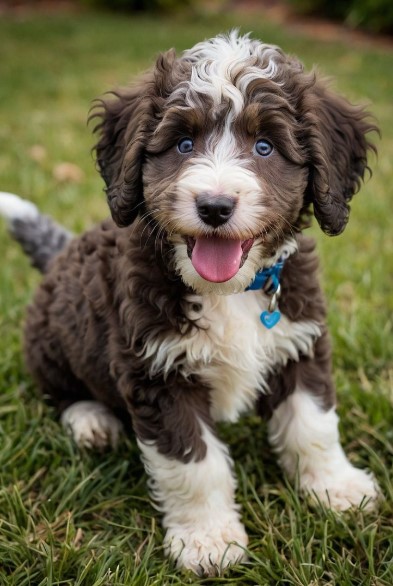
The FGF5 mutation produces a soft, silky, sometimes wavy or slightly curly coat that can grow several inches long, especially around the neck, ears, and tail, giving the dog a teddy-bear or lion-like appearance while retaining the classic Pit Bull head and muscular build.
History and Rarity of the Long-Haired Variation
The American Pit Bull Terrier traces its roots to 19th-century England and Ireland, where bulldogs and terriers were crossed for strength, agility, and gameness. The breed was refined in the United States for working, companionship, and unfortunately, historical dogfighting (now illegal). The standard calls for a short, smooth coat that showcases muscle definition.
Long-haired individuals have appeared sporadically throughout history but gained mainstream attention in the 2010s–2020s through social media. Viral stars like Theodore (with his flowing mane) and others have introduced millions to the possibility. Estimates suggest they represent far less than 1% of the Pit Bull population, making them a true rarity.
Responsible breeders who intentionally produce long-haired lines do so carefully, focusing on health and temperament rather than novelty. Most long-haired Pit Bulls today are happy accidents in litters from carrier parents.
Physical Appearance of the Rare Long-Haired Pit Bull
Long-haired Pit Bulls combine the classic Pit Bull structure with an extraordinary coat:
- Size: Same as standard — 30–60+ pounds, 17–21 inches tall (varies by line)
- Build: Muscular, athletic, broad chest, strong legs, powerful head
- Coat: Long, silky, soft; can be straight, wavy, or loosely curly. Often thicker around the neck (mane-like), ears, and tail
- Colors: Any standard Pit Bull color — black, blue, red, fawn, brindle, white, with or without markings
- Face: Classic Pit Bull expression — expressive eyes, broad skull, strong muzzle
The contrast between their tough-looking build and fluffy, huggable coat creates an irresistibly charming appearance that often surprises strangers.
Temperament and Personality
Long-haired Pit Bulls share the same wonderful (and sometimes challenging) traits as their short-coated counterparts:
- Extremely loyal and affectionate (“velcro dogs”)
- People-oriented and eager to please
- Playful, energetic, and athletic
- Intelligent and trainable with positive methods
- Protective of family but generally good with children when raised properly
- Can be dog-selective; early socialization is crucial
The long coat does not change their core personality. They remain the same loving, goofy, courageous dogs — just with extra fluff for cuddling. Many owners report they are especially popular at dog parks and events because of their unique look.
Care Requirements: Grooming, Exercise, and Nutrition
Grooming: Unlike short-coated Pits, long-haired versions require more maintenance:
- Brushing 2–4 times per week to prevent mats
- Occasional professional grooming for shaping
- Regular bathing with gentle shampoos
- Extra attention to ears, tail, and underbelly
They shed more than short-coated Pits, especially during seasonal blows.
Exercise: High energy needs — 45–90 minutes daily of walks, play, and mental stimulation. They excel in agility, hiking, and interactive games.
Nutrition: High-quality large-breed or active-dog formula with 25–30% protein. Monitor weight, as their fluffy coat can hide extra pounds. Omega fatty acids support skin and coat health.
Health Profile
Long-haired Pit Bulls generally enjoy the same hardy health as standard Pits, with an average lifespan of 10–14+ years. Potential issues include:
- Hip and elbow dysplasia
- Skin allergies (long coat may trap irritants)
- Heart conditions
- Patellar luxation
- Hypothyroidism
The long coat can sometimes mask skin issues, so regular checks and grooming are important. Responsible breeding with health-tested parents is essential.
Training and Socialization
Early socialization (8–16 weeks) and positive reinforcement training are non-negotiable. Long-haired Pit Bulls are smart but can be strong-willed. Focus on:
- Basic obedience
- Bite inhibition
- Leash manners
- Dog-to-dog introductions
- Crate training
Their fluffy appearance sometimes leads owners to baby them, which can encourage unwanted behaviors. Treat them like the capable athletes they are.
Living with a Long-Haired Pit Bull
These dogs adapt well to active families, singles, or couples with time for exercise. They do best with secure fencing and should not be left alone for long periods due to their people-oriented nature. Their unique look often makes them excellent ambassadors for the breed, helping reduce stigma.
Famous Long-Haired Pit Bulls
- Theodore James Bonaparte-Meadows: The internet sensation with a massive flowing coat due to the FGF5 mutation.
- Other viral dogs on TikTok, Instagram, and Reddit showcasing the rare trait.
These dogs have helped showcase the diversity within the Pit Bull umbrella.
Pros and Cons of Owning a Rare Long-Haired Pit Bull
Pros:
- Striking, cuddly appearance
- Same loyal, loving temperament
- Great conversation starter and breed ambassador
- Soft coat for snuggling
Cons:
- Higher grooming needs
- Increased shedding
- Rarity makes finding one ethically challenging
- Potential for stronger breed stigma due to novelty
Ethical Considerations and Finding One
Because of their rarity, many long-haired Pit Bulls come from accidental litters or rescue situations. Avoid backyard breeders chasing trends. Prioritize health testing, temperament, and ethical practices. Adoption through Pit Bull-specific rescues is often the best route, as many unique individuals end up in shelters.
Real Owner Experiences
Owners describe their long-haired Pits as “teddy bears with Pit Bull hearts” — incredibly affectionate, playful, and loyal. Grooming takes more time, but the extra cuddles make it worthwhile. Many note their dogs handle heat less efficiently than short-coated Pits, requiring extra summer precautions.
Comparison to Standard Pit Bulls
The main differences are coat length, grooming needs, and shedding. Temperament, exercise requirements, health risks, and care philosophy remain nearly identical. The long-haired version simply adds a layer of visual uniqueness.
Broader Context: Pit Bull Advocacy
Long-haired Pit Bulls serve as wonderful ambassadors, showing the breed’s diversity and gentle nature. Responsible ownership, education, and advocacy help combat breed-specific legislation and stigma.
FAQs About Rare Long-Haired Pit Bulls
1. Are long-haired Pit Bulls purebred? Yes — they are 100% American Pit Bull Terriers with a rare recessive FGF5 gene mutation.
2. How rare are long-haired Pit Bulls? Extremely rare — both parents must carry the recessive gene, and expression is uncommon.
3. Do they require more grooming than regular Pit Bulls? Yes — regular brushing and occasional professional grooming to prevent mats.
4. Are long-haired Pit Bulls good family dogs? Yes, with proper socialization and training, they are loving and loyal companions.
5. Do they shed a lot? More than short-coated Pits, especially during coat transitions.
6. What health issues are common? Similar to standard Pit Bulls: hip dysplasia, allergies, heart conditions. Long coat may hide skin problems.
7. How much exercise do they need? Daily 45–90 minutes of physical and mental activity.
8. Can I intentionally breed for long-haired Pit Bulls? Only if prioritizing health, temperament, and ethical standards — not for novelty.
9. Are they recognized by kennel clubs? They are purebred Pit Bulls and can be registered as such, though the long coat is non-standard.
10. Where can I adopt or find a long-haired Pit Bull? Check breed-specific rescues, shelters, or ethical breeders. DNA testing can confirm genetics.
Conclusion
The rare long-haired Pit Bull is a stunning example of genetic diversity within one of the world’s most resilient and loving breeds. With their silky coats, muscular builds, and oversized personalities, these dogs captivate everyone they meet while reminding us that Pit Bulls come in many wonderful forms.
Owning one requires commitment to grooming, exercise, training, and responsible ownership, but the rewards — endless cuddles, loyal companionship, and the joy of a truly unique dog — are immense. Whether you seek one as a family pet, ambassador, or simply admire them from afar, these fluffy Pits prove that beauty and strength come in many coats.