The Australian Bernedoodle: The Ultimate Family-Friendly Hybrid – Traits, Care, History, and More
The Australian Bernedoodle has rapidly gained popularity among dog enthusiasts seeking a perfect blend of loyalty, intelligence, low-shedding coats, and gentle temperament. This designer hybrid combines the classic Bernedoodle (Bernese Mountain Dog × Poodle) with the refined Australian Labradoodle (a multi-generational mix incorporating Labrador Retriever, Poodle, Cocker Spaniel, and sometimes other spaniels). The result is a dog often described as having a more consistent, teddy-bear appearance, softer fleece-like coat, enhanced trainability, and improved allergy-friendliness compared to standard Bernedoodles.
Unlike first-generation crosses, Australian Bernedoodles benefit from multi-generational breeding, leading to greater predictability in size, coat, and personality. Ideal for families, therapy work, or active households, these dogs offer the calm affection of the Bernese with the smarts and sociability of doodle lines. This comprehensive guide explores their origins, physical traits, temperament, health, grooming, lifestyle fit, comparisons, and ownership tips.
Check Also: Australian Labradoodle
History and Development
The Bernedoodle itself emerged in the early 2000s, pioneered by Canadian breeder Sherry Rupke of SwissRidge Kennels. She crossed Bernese Mountain Dogs (known for loyalty, gentleness, and tri-color markings) with Poodles (intelligent, low-shedding) to create calm, affectionate companions with reduced shedding.
The Australian Bernedoodle takes this further by incorporating the Australian Labradoodle, developed in the late 1980s in Australia by Wally Conron for hypoallergenic guide dogs. Australian Labradoodles involve multi-generational breeding beyond simple Lab-Poodle crosses, adding Cocker Spaniel influence for softer coats and balanced temperaments. Recognized by groups like the Australian Labradoodle Association of America (ALAA) and Worldwide Australian Labradoodle Association (WALA), they emphasize consistency.
Australian Bernedoodles arose as breeders crossed Bernedoodles (or Bernese) with Australian Labradoodles to achieve:
- More reliable low-to-non-shedding coats
- Softer, silkier textures (fleece over tight curls)
- Stockier, square builds with teddy-bear looks
- Balanced energy and reduced stubbornness from Bernese lines
No Australian Shepherd is involved—despite names like “Australian Mountain Doodle” in some circles referring to different mixes. The focus remains on Bernese, Poodle, Lab, and spaniel genetics.
Physical Characteristics and Sizes
Australian Bernedoodles vary by breeding but tend toward medium-to-large frames with athletic, compact builds.
Sizes (approximate, breeder-dependent):
- Tiny/Micro Mini: 11–17 inches tall, 10–24 lbs — apartment-friendly
- Medium: 18–22 inches, 25–49 lbs — popular family size
- Standard: 20–27 inches, 50–80+ lbs — robust, often 60 lbs average
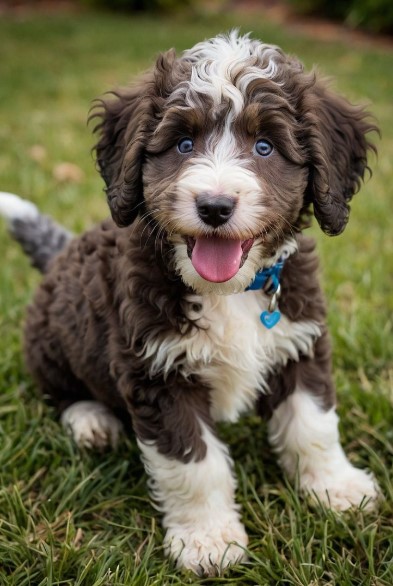
They feature medium boning, square proportions, and plush appearances. Coats include:
- Fleece (most common): Soft, wavy to loose curls, silky feel
- Curly or Wavy — Low-shedding, allergy-friendly
Colors: Tricolor (black/white/rust, like Bernese), solid black, chocolate, cream, apricot, red, phantom, parti, sable. Tricolor remains iconic.
Temperament and Personality
Australian Bernedoodles inherit the best traits:
- Extremely affectionate, loyal, and people-oriented
- Gentle and patient — excellent with children, seniors
- Highly intelligent, eager to please — quick learners
- Playful and goofy — love fetch, hikes, interactive games
- Calm indoors after activity; adaptable energy
- Social — friendly with strangers, dogs (with socialization)
- Intuitive — many excel in therapy, emotional support, service roles
Compared to standard Bernedoodles (sometimes more laid-back or stubborn from Bernese influence), Australian versions often show enhanced confidence, sociability, and trainability from Australian Labradoodle genetics. They bond deeply, may experience mild separation anxiety, and thrive on family interaction.
Grooming and Coat Maintenance
The low-shedding coat requires regular care:
- Brush 3–5 times weekly to prevent mats
- Professional grooming every 6–8 weeks ($70–$150/session)
- Styles: Puppy cut, teddy bear trim, lamb cut
- Bathe every 4–8 weeks with gentle shampoo
- Weekly ear cleaning (floppy ears trap moisture)
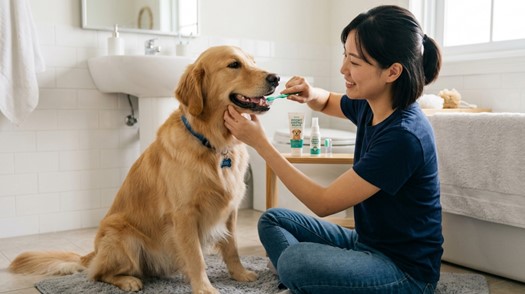
- Nail trims, dental care
Proper grooming keeps coats soft and manageable. Neglect leads to painful mats.
Exercise, Training, and Lifestyle Compatibility
These dogs need 45–90 minutes daily activity: walks, play, swimming. Mental stimulation (puzzles, training) prevents boredom.
Training excels with positive reinforcement — they love praise. Early socialization builds confidence.
Fit for:
- Families with kids/pets
- Active households
- Therapy/service work
- Apartments (minis) or homes with yards (standards)
Not ideal for very sedentary lifestyles or long alone periods.
Health Considerations and Lifespan
Hybrid vigor reduces risks, but monitor:
- Hip/elbow dysplasia
- Eye issues (PRA, cataracts)
- Ear infections
- Allergies
- Cancer (Bernese influence)
- Addison’s, hypothyroidism
Lifespan: 12–18 years (longer than pure Bernese due to hybrid vigor). Reputable breeders test hips (OFA/PennHIP), eyes, genetics, heart.
Pros and Cons
Pros:
- Low-shedding, allergy-friendly coat
- Loving, gentle temperament
- Intelligent and trainable
- Versatile sizes
- Long lifespan potential
- Family/therapy excellence
Cons:
- High grooming commitment
- Exercise and attention needs
- Potential health concerns if untested
- Costly puppies ($2,000–$5,000+)
- Variable traits across breeders
Finding and Owning an Australian Bernedoodle
Seek ethical breeders (health testing, transparent pedigrees). Adoption rarer but possible via rescues.
Prepare: Crate, toys, grooming supplies, vet plan.
Frequently Asked Questions (FAQs)
1. What is an Australian Bernedoodle? A hybrid crossing a Bernedoodle (Bernese Mountain Dog × Poodle) with an Australian Labradoodle for consistency in coat, temperament, and health.
2. How does it differ from a standard Bernedoodle? Australian versions often have softer fleece coats, stockier builds, lower shedding, and more balanced energy/trainability due to Australian Labradoodle influence.
3. Are they hypoallergenic? Low-shedding and low-dander — excellent for mild allergies; not 100% guaranteed.
4. What sizes do they come in? Tiny/micro mini (10–24 lbs), medium (25–49 lbs), standard (50–80+ lbs).
5. How much do they shed? Minimal to none with proper grooming in fleece/curly coats.
6. Are they good with kids and other pets? Yes — gentle, playful, patient; supervise young children.
7. How much exercise do they need? 45–90 minutes daily plus mental stimulation.
8. What’s their lifespan? 12–18 years, often longer than purebred parents.
9. How much does a puppy cost? $2,000–$5,000+ from reputable breeders; adoption lower.
10. Are they easy to train? Highly — intelligent, eager to please.
11. Common health issues? Hip dysplasia, ear infections, allergies; reduced with testing.
12. Can they live in apartments? Yes, especially smaller sizes, with sufficient exercise.
Conclusion
The Australian Bernedoodle represents thoughtful hybrid evolution: merging Bernese loyalty and tri-color charm with doodle intelligence, low-shedding coats, and refined temperaments. Their goofy affection, trainability, and family focus make them standout companions—whether cuddling on the couch or joining adventures.
While grooming and activity demands require commitment, the payoff is profound: years of unwavering love, laughter, and companionship. Choose health-tested lines or adopt responsibly for the healthiest start.
If you’re ready for a smart, gentle, teddy-bear-like dog that bonds deeply, the Australian Bernedoodle could be your ideal forever friend. With proper care, they’ll enrich your life immensely.