Snorkie: The Complete 2026 Guide to the Miniature Schnauzer and Yorkshire Terrier Mix
The Snorkie, also known as the Schnerrier or Schnorkie, is a delightful designer hybrid that combines the bold, bearded charm of the Miniature Schnauzer with the silky, spunky personality of the Yorkshire Terrier. This small but spirited dog typically weighs 7–12 pounds and stands 5–12 inches tall, making it an ideal companion for apartment living, seniors, families, and anyone seeking a portable, affectionate lap dog with plenty of attitude.

In 2026, Snorkies continue to grow in popularity due to their loving nature, intelligence, low-to-moderate shedding coats, and big personalities packed into a tiny frame. As a hybrid, Snorkies are not recognized by major kennel clubs like the AKC for conformation shows, but they are widely loved as family pets, therapy dogs, and companions. This comprehensive guide covers the Snorkie’s history, physical traits, temperament, care requirements, training, grooming, health considerations, choosing a responsible breeder or rescue, pros and cons, and real-life ownership experiences. Whether you are thinking about adopting a Snorkie puppy or simply want to learn more about this charming mix, this article provides balanced, practical, and up-to-date information.
Check Also: Doxle
History and Origins of the Snorkie
The Snorkie is a modern designer dog created by intentionally crossing a Miniature Schnauzer with a Yorkshire Terrier. Both parent breeds have rich histories rooted in Europe.
The Miniature Schnauzer originated in Germany in the mid-to-late 19th century. Farmers bred them as versatile working dogs to hunt vermin (rats and mice), guard property, and herd livestock. The breed’s distinctive beard and eyebrows gave them a rugged, alert appearance, while their intelligence and loyalty made them excellent companions.
The Yorkshire Terrier (Yorkie) was developed in the 19th century in Yorkshire, England. Originally bred by mill workers and miners to hunt rats in clothing mills and coal mines, Yorkies were later refined into elegant lap dogs favored by Victorian aristocracy. Their silky coat and fearless personality made them popular show dogs and companions.
The first intentional Snorkie crosses likely occurred in the United States in the late 1990s or early 2000s as part of the designer dog trend. Breeders aimed to create a small, hypoallergenic-leaning companion that combined the Schnauzer’s sturdy build and alertness with the Yorkie’s silky coat and affectionate nature. The name “Snorkie” is a portmanteau of “Schnauzer” and “Yorkie.”
Because Snorkies are hybrids, appearance and temperament can vary significantly even within the same litter. First-generation (F1) crosses tend to show the most hybrid vigor, while later generations (F1B, F2) may lean more toward one parent breed.
Physical Characteristics of the Snorkie
Snorkies are small dogs with a compact, sturdy build that blends traits from both parents.
Size:
- Height: 5–12 inches at the shoulder
- Weight: 7–12 pounds (occasionally up to 15 pounds)
Body Structure:
- They often inherit the Miniature Schnauzer’s more robust, square build with a level back, combined with the Yorkie’s finer bone structure.
- Legs are relatively short but proportionate.
Coat and Colors:
- Coat texture varies: wiry and coarse (more Schnauzer-like) or silky and flowing (more Yorkie-like). Many have a medium-length coat that is somewhat wiry on the body with softer furnishings on the face and legs.
- Colors include black, gray, silver, tan, brown, white, or combinations. Many display the classic Schnauzer “salt and pepper” or Yorkie blue-and-tan patterns. The signature Schnauzer beard and eyebrows are common but may be softer.
Head and Face:
- Ears can be erect (Schnauzer influence), folded, or semi-erect.
- Eyes are dark, expressive, and alert.
- Muzzle is short to medium with a beard that gives them a distinguished, almost human-like expression.
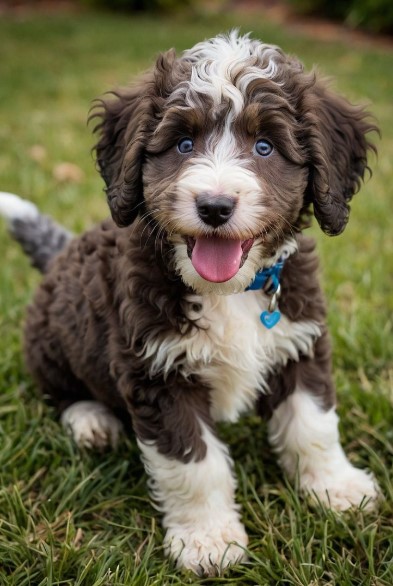
Snorkie puppies are irresistibly cute, often looking like miniature teddy bears with big personalities. Their appearance stabilizes as they mature between 9–12 months.
Temperament and Personality of the Snorkie
Snorkies typically inherit a wonderful blend of traits that make them engaging companions:
- Affectionate and Loyal: They form strong bonds with their family and love to cuddle.
- Playful and Energetic: Despite their small size, they have bursts of energy and enjoy interactive play.
- Alert and Watchful: They make excellent little watchdogs, barking to alert owners to strangers or unusual sounds.
- Intelligent: Both parent breeds are smart, so Snorkies learn quickly but can be independent or stubborn at times.
- Social: They generally enjoy the company of people and other dogs when properly socialized.
Snorkies can exhibit “small dog syndrome” if spoiled — becoming bossy or demanding attention. Early training and consistent boundaries help prevent this. They are usually good with older children but may be too fragile for very young kids who play roughly. With proper introductions, they can get along well with other pets.
Many owners describe their Snorkie as having a big-dog attitude in a tiny package — confident, curious, and full of spunk.
Caring for a Snorkie
Nutrition:
- Feed a high-quality small-breed dog food formulated for their size and activity level.
- Portion control is important to prevent obesity, which can exacerbate joint or breathing issues.
- Feed 2–3 small meals per day to maintain steady energy and avoid hypoglycemia.
Exercise:
- Moderate daily exercise: 20–40 minutes of walks, playtime, and indoor games.
- Mental stimulation through puzzle toys, short training sessions, and interactive play prevents boredom and unwanted behaviors.
Grooming:
- Grooming needs depend on coat type. Wiry coats require regular brushing and hand-stripping or clipping; silky coats need daily brushing to prevent matting.
- Professional grooming every 4–8 weeks is recommended for most Snorkies.
- Trim nails every 2–3 weeks, clean ears regularly, and brush teeth daily or use dental chews to combat common dental issues in small breeds.
Living Environment:
- Excellent for apartments and small homes due to their size.
- They thrive on human companionship and do not do well when left alone for long periods.
Training a Snorkie
Snorkies are intelligent and eager to please but can be strong-willed. Positive reinforcement methods work best:
- Use high-value treats, praise, and play as rewards.
- Keep training sessions short (5–10 minutes) and fun.
- Focus on basic commands (sit, stay, come, leave it) and loose-leash walking early.
- Address excessive barking and attention-seeking behaviors with consistent redirection.
Early socialization is crucial to prevent fearfulness or reactivity toward strangers and other dogs.
Health Considerations for Snorkies
As a hybrid, Snorkies may benefit from hybrid vigor, but they can inherit health issues from either parent:
Common Concerns:
- Dental disease (crowding and periodontal issues common in small breeds)
- Patellar luxation (slipping kneecaps)
- Tracheal collapse
- Pancreatitis (especially from Schnauzer influence)
- Allergies and skin issues
- Cataracts and eye problems
- Hypoglycemia in very small individuals
Responsible breeders health-test parents for hips, eyes, and genetic conditions. Regular veterinary checkups, weight management, dental care, and appropriate exercise help Snorkies live long, healthy lives.
Lifespan:
- Average 12–15 years with good care.
Choosing a Responsible Breeder or Adopting from Rescue
When looking for a Snorkie:
- Choose breeders who health-test both parents and raise puppies in a home environment.
- Visit in person, meet the mother dog, and ask for health documentation.
- Avoid breeders advertising “teacup” sizes or rare colors at inflated prices.
- Consider adoption — many wonderful Snorkies and similar small mixes end up in rescues or shelters.
Reputable rescues often provide detailed histories, medical care, and post-adoption support.
Real-Life Ownership Experiences
Owners frequently describe Snorkies as:
- Loyal “velcro” dogs that follow their people everywhere
- Entertaining clowns with a great sense of humor
- Alert watchdogs that announce visitors with enthusiasm
- Affectionate lap warmers who also enjoy short adventures
Common challenges include managing grooming demands, preventing obesity, and addressing occasional stubbornness or barking. With consistent training and love, most owners report that Snorkies become cherished family members for many years.
Pros and Cons of Owning a Snorkie
Pros:
- Small size perfect for apartments and travel
- Loving, affectionate, and loyal
- Intelligent and trainable with positive methods
- Relatively long lifespan
- Alert watchdog abilities
Cons:
- Can be yappy or demanding if not trained
- Grooming requirements can be moderate to high
- Prone to small-breed health issues (dental, patellar luxation, tracheal collapse)
- May develop separation anxiety
- Not ideal for very young children or rough households
Frequently Asked Questions (FAQs)
1. What is a Snorkie? A Snorkie is a designer hybrid mix between a Miniature Schnauzer and a Yorkshire Terrier.
2. How big do Snorkies get? Most weigh 7–12 pounds and stand 5–12 inches tall as adults.
3. Are Snorkies good with children? They can be excellent with older, gentle children but require supervision with very young kids due to their small size.
4. How much exercise does a Snorkie need? 20–40 minutes of daily walks and play plus mental stimulation. They are moderately active.
5. Are Snorkies easy to train? They are intelligent and respond well to positive reinforcement but can be stubborn. Consistency is key.
6. Do Snorkies shed? They shed minimally to moderately depending on coat type. Regular grooming helps manage loose hair.
7. What health issues are common in Snorkies? Dental disease, patellar luxation, tracheal collapse, pancreatitis, allergies, and eye problems.
8. How long do Snorkies live? Average lifespan is 12–15 years with proper care.
9. Are Snorkies good apartment dogs? Yes, they adapt well to apartment living as long as they receive daily exercise and companionship.
10. How much grooming does a Snorkie need? Moderate to high. Regular brushing and professional grooming every 4–8 weeks are recommended.
11. Should I buy from a breeder or adopt? Both are valid options. Reputable breeders offer predictability, while rescues provide loving homes to dogs in need.
12. What is the best diet for a Snorkie? High-quality small-breed food with controlled calories. Small, frequent meals help prevent hypoglycemia.
Conclusion
The Snorkie is a charming, affectionate, and spirited little dog that brings joy, laughter, and companionship to countless households. Blending the intelligence and alertness of the Miniature Schnauzer with the silky elegance and bold personality of the Yorkshire Terrier, this hybrid offers a perfect balance for many lifestyles.
Owning a Snorkie requires commitment to regular grooming, consistent positive training, proper nutrition, weight management, and proactive veterinary care. When matched with the right family, these small dogs become devoted companions who thrive on love and attention.
If you are considering a Snorkie, take time to research breeders or rescues thoroughly, understand the breed’s needs, and prepare your home for an energetic, loving addition. Whether you choose a puppy or an adult, the bond you build will be rewarding for many years.