
The Australian Doodle: Unveiling the Australian Labradoodle – A Purpose-Bred Hybrid for Families and Allergy Sufferers
The term “Australian Doodle” frequently pops up in dog enthusiast circles, online forums, breeder websites, and adoption listings. While it sometimes causes confusion—being loosely used for various Poodle mixes—”Australian Doodle” most commonly refers to the Australian Labradoodle (often abbreviated ALD or simply called an Australian Doodle by owners). This is not the same as an Aussiedoodle (Australian Shepherd × Poodle), Goldendoodle, or a basic Labradoodle.
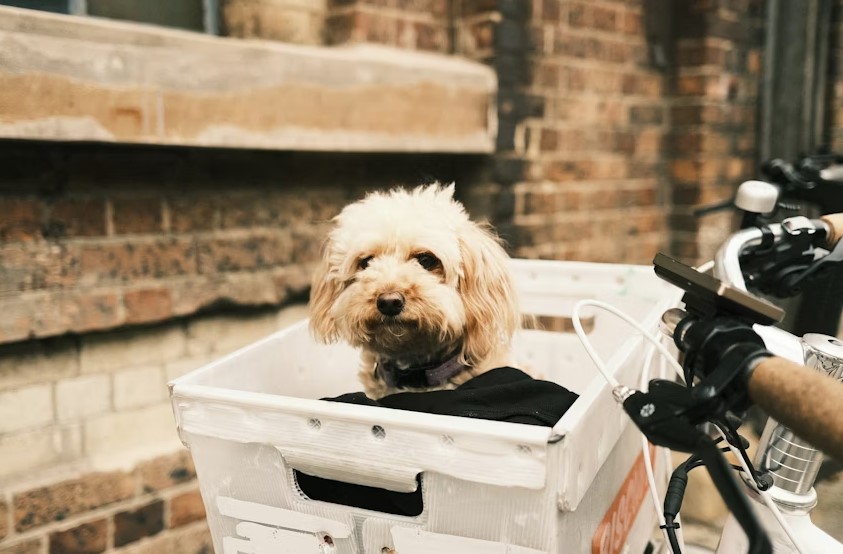
The Australian Labradoodle is a deliberately developed, multi-generational hybrid originating in Australia. It combines the Labrador Retriever, Poodle, and Cocker Spaniel (American and/or English) genetics, with occasional historical influences from other breeds like the Irish Water Spaniel. Through decades of selective breeding, it achieves remarkable consistency in coat quality, temperament, low-shedding properties, and overall health—setting it apart from first-generation “doodles.”
This comprehensive 3000-word article explores the Australian Doodle (Australian Labradoodle) in depth: its history, genetics, appearance, personality, care needs, health profile, training, lifestyle compatibility, comparisons to similar breeds, finding ethical sources, and real-world ownership insights. If you’re drawn to a smart, affectionate, allergy-friendly companion, read on to see why this breed captivates so many.
Check Also: Australian Doodle
Origins and Purposeful Development
The Australian Labradoodle’s story begins in the late 1980s at the Royal Guide Dogs Association of Australia. Breeding manager Wally Conron aimed to create a guide dog for a blind woman whose husband suffered from severe allergies. After testing Poodles (which didn’t work due to residual allergens), he crossed a Labrador Retriever (known for gentle temperament and trainability) with a Standard Poodle (intelligent, low-shedding).
The first successful pup, Sultan, proved ideal. Demand skyrocketed, prompting Australian breeders—particularly from Tegan Park and Rutland Manor lines—to refine the cross. To enhance coat consistency, reduce shedding further, improve conformation, and boost sociability, they introduced English and American Cocker Spaniels over multiple generations. Some early lines included traces of Irish Water Spaniel or Curly-Coated Retriever.
By the 1990s–2000s, the Australian Labradoodle emerged as a distinct type. Unlike casual “doodle” breeding, it emphasizes multi-generational stability. Major registries include:
- Australian Labradoodle Association of America (ALAA, est. 2004)
- Worldwide Australian Labradoodle Association (WALA)
These organizations maintain pedigrees, enforce health testing, and define standards for temperament, coat, and structure. Today, true Australian Labradoodles are bred exclusively from other Australian Labradoodles—no backcrossing to purebred Labs or Poodles—ensuring predictability.
Genetics and Why It Matters
A standard Labradoodle is typically F1 (Labrador × Poodle) or F1B (backcross to Poodle). Australian Labradoodles are multi-gen (often high-generation), blending:
- Labrador Retriever (~ Labrador loyalty, water affinity, gentleness)
- Poodle (~ intelligence, curl pattern, low dander)
- Cocker Spaniel (~ softer coat texture, enhanced friendliness)
This three-breed (or more) foundation provides “hybrid vigor” while stabilizing traits. DNA tests on multi-gen dogs often show unpredictable percentages due to generations of mixing, but the focus is on phenotype (appearance and behavior) rather than exact ratios.
Physical Appearance and Size Variations
Australian Labradoodles are athletic yet graceful, with medium boning, square proportions, and a plush, teddy-bear look.
Sizes (ALAA standards):
- Miniature: 14–16 inches at shoulder, 15–30 lbs — compact, apartment-suited
- Medium: 17–20 inches, 30–45 lbs — versatile family favorite
- Standard: 21–24 inches, 50–65+ lbs (often 55–70 lbs due to substance)
Males tend slightly larger; weight often exceeds height expectations.
Coat Types:
- Fleece (most common): Silky, wavy to loose curls, luxurious feel
- Wool: Tighter curls, dense and plush
No true “hair” (shedding) coats in reputable multi-gen lines.
Shedding & Allergies: Minimal to none; low dander suits many with mild-moderate allergies (always test exposure—no dog is fully hypoallergenic).
Colors: Extensive — cream, apricot, gold, red, caramel, chocolate, black, silver, blue, chalk, lavender, parchment, parti, phantom, sable, abstract.
Temperament: The Heart of the Breed
Australian Labradoodles are renowned for exceptional personalities:
- Affectionate, people-oriented “velcro” dogs
- Highly intelligent, eager to please, quick learners
- Gentle, patient with children, seniors, other pets
- Playful and energetic outdoors; calm and cuddly indoors
- Sociable, rarely aggressive; friendly with strangers post-socialization
- Intuitive — excel as therapy, service, emotional support, seizure alert dogs
They inherit Labrador warmth, Poodle cleverness, and Cocker softness—often more balanced and confident than early-generation doodles. Separation anxiety can occur if left alone excessively; they thrive on companionship.
Grooming: A Key Commitment
The low-shedding coat demands regular maintenance:
- Brush 3–5× weekly (daily during transitions) to prevent mats
- Professional grooming every 6–8 weeks ($60–$150/session)
- Popular cuts: puppy cut, teddy bear trim, lamb cut
- Bathe every 4–8 weeks with moisturizing shampoo
- Weekly ear cleaning (floppy ears + hair = infection risk)
- Nail trims, dental brushing
Consistent care keeps the coat soft and healthy; neglect causes painful issues.
Exercise, Training, and Lifestyle Fit
Daily requirements: 45–90 minutes of activity — walks, fetch, swimming, interactive play. Mental stimulation (puzzles, obedience, scent work) is essential.
Training: Positive reinforcement shines; they love praise and excel in tricks, agility, obedience.
Best environments:
- Active families with children/pets
- Therapy/service roles
- Apartments (minis/mediums) or homes with yards (standards)
Not ideal for very sedentary owners or long solo periods.
Health Profile and Lifespan
Hybrid vigor reduces purebred risks, but potential concerns include:
- Hip/elbow dysplasia
- Eye issues (PRA, cataracts)
- Ear infections
- Allergies (skin/food)
- Addison’s disease, hypothyroidism (rarer)
Lifespan: 12–16 years (minis often longer).
Ethical breeders test extensively: OFA/PennHIP hips/elbows, CERF eyes, genetic panels, cardiac screening.
Pros and Cons at a Glance
Pros:
- Predictable low-shedding, allergy-friendly coat
- Outstanding, consistent temperament
- Highly trainable and intelligent
- Versatile sizes for different homes
- Excellent family/therapy dogs
- Long lifespan with good care
Cons:
- Grooming is time-intensive and costly
- Needs daily exercise and mental engagement
- Potential separation anxiety
- Premium puppies expensive ($2,000–$5,000+)
- Traits vary if from untested or backyard sources
Finding and Owning an Australian Doodle
Prioritize ALAA/WALA-registered breeders with transparent health testing, on-site parents, and lifetime support.
Adoption: Rescues/shelters occasionally have adults or returns (fees $200–$800); adults show true personality.
Preparation essentials: crate, puzzle toys, grooming tools, high-quality food, vet plan.
Frequently Asked Questions (FAQs)
1. Is an Australian Doodle the same as an Australian Labradoodle? Yes—it’s commonly used as shorthand or informal name for the multi-generational Australian Labradoodle.
2. How does it differ from a regular Labradoodle? Australian versions are multi-gen with Cocker Spaniel influence for more consistent fleece coats, lower shedding, and balanced temperament.
3. Are Australian Doodles hypoallergenic? Low-shedding and low-dander—suitable for many with mild allergies; no guarantee for severe cases.
4. What sizes are available? Miniature (14–16″, 15–30 lbs), Medium (17–20″, 30–45 lbs), Standard (21–24″, 50–65+ lbs).
5. How much do they shed? Minimal to none in fleece/wool coats with regular grooming.
6. Are they good with children and other pets? Excellent—gentle, playful, patient; early socialization recommended.
7. How much exercise do they need? 45–90 minutes daily plus mental stimulation to stay happy.
8. What’s their average lifespan? 12–16 years, often longer for smaller sizes.
9. How much does a puppy cost from a reputable breeder? $2,000–$5,000+ depending on size, lineage, and location; adoption is cheaper.
10. How trainable are they? Very—intelligent and eager to please; respond best to positive methods.
11. What are common health issues? Hip dysplasia, ear infections, allergies; significantly reduced with health-tested parents.
12. Can they live in apartments? Yes, especially minis and mediums, provided exercise needs are met.
Conclusion
The Australian Doodle—truly the Australian Labradoodle—represents intentional, ethical breeding at its finest. By thoughtfully combining Labrador loyalty, Poodle intelligence, and Cocker Spaniel softness over generations, breeders created a dog with remarkable consistency: silky low-shedding coats, joyful yet balanced temperaments, and deep family devotion.
These dogs aren’t just pets—they’re companions who sense emotions, learn eagerly, and bring endless warmth. While grooming, exercise, and companionship demands require real commitment, the rewards are profound: a loyal friend who cuddles after adventures, brightens quiet days, and often serves in meaningful roles like therapy or support work.
If you’re seeking an intelligent, affectionate, allergy-considerate dog with predictable traits, explore reputable sources or rescues. An Australian Labradoodle may just become the perfect addition to your life—filling it with love, laughter, and tail-wags for many years.


