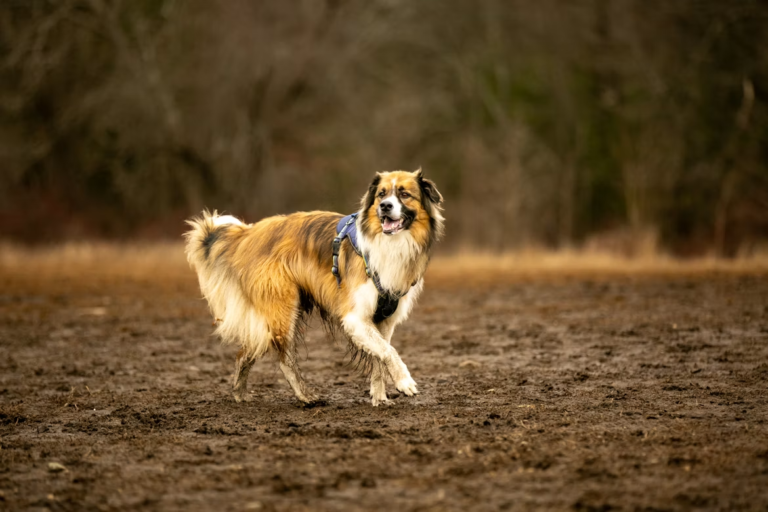
The Ultimate Guide to Full Grown Mini Aussiedoodles: Energetic, Intelligent Companions
Full grown Mini Aussiedoodles represent one of the most vibrant and versatile designer breeds available today. This hybrid crosses the hardworking, herding instincts of the Miniature Australian Shepherd (Mini Aussie) with the intelligence, curly low-shedding coat, and playful charm of the Miniature Poodle. The result is a compact, fluffy dog bursting with personality—smart enough to learn tricks in minutes, energetic enough for active lifestyles, yet affectionate and adaptable for family living.

Unlike their larger standard Aussiedoodle counterparts, full grown minis typically weigh 15 to 35 pounds and stand 12 to 18 inches tall at the shoulder, making them ideal for apartments, smaller homes, or anyone wanting a portable yet capable companion. Their popularity stems from combining the Mini Aussie’s loyalty and drive with the Poodle’s hypoallergenic qualities and eagerness to please. In 2026, these dogs continue to win hearts for their striking coats—often merle, sable, or tri-color—and their big-dog energy in a small package.
Check Also: Mini Bernedoodle Breeders
While no hybrid is guaranteed to inherit the best traits evenly, responsible breeding enhances desirable qualities like health, temperament, and coat consistency. This 3000-word guide dives deep into what full grown Mini Aussiedoodles are really like: their size, appearance, personality, health, care needs, comparisons to similar breeds like Mini Bernedoodles, and more. Whether you’re considering adoption, already own one, or just curious, you’ll gain a clear picture of these lively fluffballs.
Origins and Development of the Mini Aussiedoodle
The Aussiedoodle breed emerged in the 1990s in the United States, as breeders sought hypoallergenic, intelligent companions blending Australian Shepherd traits with Poodle genetics. The Mini version uses Miniature Australian Shepherds (20-40 pounds) and Miniature Poodles (10-20 pounds) to create a downsized hybrid.
Mini Aussiedoodles aren’t recognized by major kennel clubs due to hybrid status, but they’re tracked by designer registries. Ethical breeders focus on multi-generational crosses (F1: direct mix; F1B: backcross to Poodle for curlier coats; multigen for predictability) to minimize health risks and maximize traits like minimal shedding and high trainability.
The Mini size appeals to urban owners wanting the Aussie herding smarts and Poodle cleverness without the space demands of standards (40-70+ pounds).
Physical Characteristics of Full Grown Mini Aussiedoodles
Full grown Mini Aussiedoodles strike a balance between compact and athletic. Average stats:
- Height: 12-18 inches at the shoulder.
- Weight: 15-35 pounds (some smaller F1Bs closer to 10-20 pounds; larger ones up to 35-40).
- Build: Sturdy yet elegant—proportionate legs, rounded head, expressive eyes (often blue, brown, or heterochromia from merle genes).
Coats vary: wavy to curly (curlier from Poodle influence, more hypoallergenic). Colors include merle (blue/red with patches), black, red, sable, tri-color, or parti. Fur is soft, dense, and low- to non-shedding, though “fleece” or “wool” textures need regular care.
Eyes are almond-shaped and alert; ears floppy; tails bushy and expressive. They retain a “puppy-like” face into adulthood—sweet muzzles, button noses.
Here are some examples of full grown Mini Aussiedoodles showcasing their fluffy coats, varied colors, and athletic builds.
These images highlight the breed’s mature elegance—merle patterns pop, curls bounce, and expressions radiate intelligence and playfulness.
Temperament and Personality in Adulthood
Full grown Mini Aussiedoodles are bundles of energy wrapped in affection. They inherit the Mini Aussie’s loyalty, work ethic, and herding drive, plus the Poodle’s quick wit and sociability.
Key traits:
- Highly intelligent—among the smartest hybrids, mastering commands fast and excelling in agility, obedience, or tricks.
- Energetic and playful—love fetch, hikes, or zoomies; need mental stimulation to avoid boredom.
- Loyal and affectionate—bond deeply with families, often “velcro” dogs following owners everywhere.
- Social—friendly with people, good with kids (though herding nips may occur with rough play), and usually compatible with other pets if socialized.
- Eager to please—respond well to positive training; can be sensitive to harsh methods.
They thrive on activity but adapt to calmer homes with enough outlets. Some show herding instincts (nipping heels, circling), curbed with training. Separation anxiety is possible if under-exercised or under-socialized.
Compared to Mini Bernedoodles (calmer, more laid-back), Mini Aussiedoodles lean higher-energy and more independent—perfect for active owners, less so for sedentary lifestyles.
Health Considerations and Lifespan
Mini Aussiedoodles benefit from hybrid vigor, often healthier than purebred parents. Average lifespan: 12-15 years (some reach 15+ with excellent care).
Common issues:
- Joint problems: Hip/elbow dysplasia, patellar luxation (from both parents).
- Eye conditions: Progressive retinal atrophy (PRA), cataracts.
- Skin/allergies: Prone to irritations, especially curly coats.
- Other: Epilepsy, hypothyroidism, Addison’s disease (rarer).
Ethical breeders test parents (OFA hips/elbows, CERF eyes, genetic panels). Owners should provide joint supplements, weight control, regular vet checks, and dental care.
Smaller size reduces some large-breed risks, but monitor for hypoglycemia in tinier ones.
Grooming and Coat Maintenance
Low- to non-shedding coats require commitment:
- Brush 3-5 times weekly to prevent mats (daily for curly types).
- Professional grooming every 6-8 weeks (clips keep them manageable).
- Bathe monthly with gentle shampoo; check ears (floppy trap moisture), trim nails, brush teeth.
Grooming prevents skin issues; many owners opt for shorter “puppy cuts” for ease.
Exercise and Mental Stimulation Needs
Full grown Mini Aussiedoodles need 60+ minutes of daily activity:
- Walks, runs, fetch, or agility.
- Mental games: Puzzle toys, training sessions, scent work.
- Avoid under-stimulation—leads to barking, chewing, or destructive behavior.
They excel in dog sports but suit apartments if exercised. Older adults need gentler routines.
Nutrition and Feeding for Adults
High-quality food for small/medium breeds—protein-rich, balanced fats. Portion control prevents obesity stressing joints.
Feed twice daily; monitor weight. Fresh water, occasional treats, vet-approved diet.
Training and Lifestyle Fit
Highly trainable—positive reinforcement works best. Early socialization prevents shyness or herding overdrive.
Ideal for active families, singles with time, or homes with yards. Not couch potatoes—need purpose.
Frequently Asked Questions (FAQs)
How big do full grown Mini Aussiedoodles get? Typically 12-18 inches tall and 15-35 pounds, varying by genetics and generation.
What is the temperament of a full grown Mini Aussiedoodle? Intelligent, energetic, loyal, playful, and affectionate—high-energy with a big personality.
Are Mini Aussiedoodles hypoallergenic? Mostly—curly coats shed minimally; F1B/multigen best for allergies.
How much exercise do they need? At least 60 minutes daily, plus mental stimulation to stay happy and balanced.
What health issues are common? Joint dysplasia, eye problems (PRA), allergies, patellar luxation; ethical breeding reduces risks.
Lifespan of full grown Mini Aussiedoodles? 12-15 years, often longer with good care.
How do they compare to Mini Bernedoodles? Mini Aussiedoodles are more energetic and herding-driven; Mini Bernedoodles calmer and cuddlier.
Grooming requirements? Regular brushing, trims every 6-8 weeks, ear/nail/teeth care.
Are they good with children? Yes—playful and gentle; supervise to manage herding nips.
Do they bark a lot? Can be vocal if bored; training curbs excessive barking.
Conclusion
Full grown Mini Aussiedoodles captivate with their intelligence, boundless energy, striking looks, and unwavering loyalty—offering big personality in a manageable size. Their adaptability, trainability, and affectionate nature make them exceptional for active families, while their low-shedding coats suit allergy-conscious homes.
Yet they demand commitment: daily exercise, mental challenges, grooming, and proactive health care. Ethical sourcing from tested breeders ensures healthier outcomes.