
Teddy Bear Pomeranian: The Complete 2026 Guide to This Adorable Fluffy Companion
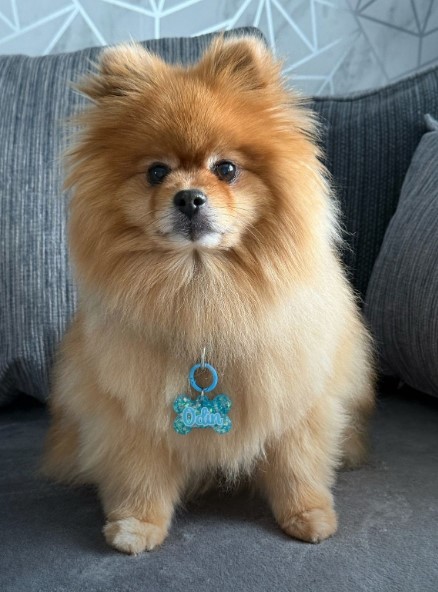
The Teddy Bear Pomeranian is one of the most beloved and visually captivating variations of the Pomeranian breed. Characterized by its incredibly fluffy, rounded coat, large sparkling eyes, button nose, and overall plush, teddy-bear-like appearance, this type of Pomeranian looks like a living stuffed animal. Many owners describe them as “walking clouds” or “real-life teddy bears” because of their soft, voluminous fur and sweet expressions.
In 2026, teddy bear Pomeranians remain extremely popular due to their cute appearance, affectionate personality, and manageable size. This comprehensive guide covers everything you need to know about teddy bear Pomeranians — their history, genetics, physical traits, temperament, grooming requirements, health considerations, training tips, ethical breeding practices, and real-life ownership experiences. Whether you are thinking about bringing a teddy bear Pomeranian puppy into your home or simply want to understand this adorable variation better, this article provides detailed, balanced, and practical information.
Check Also: Throwback Pomeranian
What Is a Teddy Bear Pomeranian?
A teddy bear Pomeranian is not a separate breed or official variety — it is a descriptive term for Pomeranians with exceptionally fluffy, rounded coats and soft, rounded facial features. These dogs typically have:
- Very dense, voluminous double coats that stand out from the body
- Rounded heads with shorter muzzles than the classic “fox” type
- Large, bright eyes that give a sweet, innocent expression
- Overall plush, cuddly appearance
The teddy bear look is achieved through selective breeding for coat texture, volume, and facial structure. While some teddy bear Pomeranians come from show lines, many come from pet or “companion” lines where breeders focus on the ultra-fluffy, cute appearance rather than strict conformation standards.
History and Development of Teddy Bear Pomeranians
The Pomeranian breed was originally much larger. Through selective breeding in the 19th century, particularly under Queen Victoria’s influence, the breed was miniaturized. As the breed became smaller, breeders began selecting for different coat textures and facial features.
The modern teddy bear Pomeranian style emerged more prominently in the late 20th and early 21st centuries as pet owners and breeders prioritized extreme fluffiness and a softer, more “baby-like” face over the traditional fox-like look. Social media and the rise of “cute pet culture” further boosted demand for teddy bear Pomeranians, as their plush appearance photographs beautifully and appeals to a wide audience.
Today, teddy bear Pomeranians are bred in many colors, including orange, cream, black, sable, and parti-colors. The most popular teddy bear look features a rounded head, short muzzle, and massive coat volume.
Physical Characteristics of Teddy Bear Pomeranians
Teddy bear Pomeranians share the same basic breed standard as other Pomeranians but emphasize certain aesthetic traits:
Size and Weight:
- Height: 6–7 inches at the shoulder
- Weight: 3–7 pounds (most teddy bear types fall between 4–6 pounds)
- Compact, well-balanced body
Coat:
- Extremely dense, soft, and voluminous double coat
- Guard hairs are longer and stand away from the body, creating a “puffball” or “teddy bear” silhouette
- The coat often appears rounded and plush, especially around the neck (forming a mane) and hindquarters
Head and Face:
- Rounded head with a shorter, softer muzzle than the classic fox type
- Large, dark, expressive eyes
- Small, erect ears often partially hidden by the fluffy coat
- Button-like nose and sweet expression
Tail:
- Plumed tail carried high over the back in a characteristic fan shape
The overall effect is a dog that looks like a high-quality stuffed teddy bear come to life.
Temperament and Personality
Teddy bear Pomeranians generally share the classic Pomeranian personality, often described as “big dog in a small package”:
- Affectionate and Loyal: They form strong bonds with their family and love to be close to their people.
- Playful and Energetic: They enjoy short bursts of activity and interactive play.
- Alert and Vocal: They make excellent watchdogs and will bark to announce visitors or unusual sounds.
- Intelligent but Stubborn: They learn quickly but can be independent if not motivated properly.
Many owners of teddy bear Pomeranians note that their dogs seem especially cuddly and affectionate due to their plush coats. They are generally good with respectful children and can get along with other pets when properly socialized.
Like all Pomeranians, teddy bear types can develop “small dog syndrome” if spoiled or poorly socialized. Early training and socialization are essential.
Grooming Requirements for Teddy Bear Pomeranians
The signature fluffy coat requires dedicated grooming:
- Daily Brushing: Essential to prevent matting, especially in the armpits, behind the ears, and under the tail. Use a slicker brush and a wide-tooth comb.
- Professional Grooming: Most owners schedule full grooms every 4–6 weeks, including trimming the sanitary area and shaping the coat.
- Bathing: Every 3–4 weeks with a gentle, moisturizing dog shampoo to keep the coat soft and clean.
- Dental Care: Daily tooth brushing or dental wipes — Pomeranians are highly prone to dental disease.
- Nail Trimming: Every 2–3 weeks.
- Ear Cleaning: Weekly to prevent infections.
The dense coat can trap moisture and debris, so consistent grooming is critical for skin health and to maintain the teddy bear look.
Exercise and Mental Stimulation
Teddy bear Pomeranians have moderate energy levels:
- Daily walks (15–30 minutes total)
- Short play sessions with toys
- Mental stimulation through puzzle toys, obedience training, and scent games
They adapt well to apartment living but thrive with consistent routines and human interaction. Boredom can lead to excessive barking or destructive chewing.
Health Considerations
Teddy bear Pomeranians share the same health risks as other Pomeranians, including:
- Patellar luxation (slipping kneecaps)
- Tracheal collapse
- Dental disease
- Hypoglycemia (in very small puppies)
- Heart conditions (mitral valve disease in older dogs)
- Skin allergies
Their slightly larger, more robust build compared to extremely tiny Pomeranians may reduce some risks associated with extreme miniaturization. Responsible breeders screen for patellar luxation, heart conditions, and eye problems.
Average lifespan is 12–16 years, with many teddy bear Pomeranians living healthy lives well into their mid-to-late teens when given proper care.
Training a Teddy Bear Pomeranian
Teddy bear Pomeranians are intelligent and food-motivated but can be stubborn. Best training practices include:
- Short, positive training sessions (5–10 minutes)
- High-value treats and enthusiastic praise
- Early socialization with people, dogs, and new environments
- Teaching basic commands and loose-leash walking
House training requires patience due to their small bladder size. Crate training is highly recommended.
Ethical Breeding and Buying a Teddy Bear Pomeranian
When searching for a teddy bear Pomeranian puppy:
- Choose breeders who prioritize health testing and sound structure over extreme coat volume
- Ask for health clearances for patellar luxation, heart, and eyes
- Visit the breeding facility and meet the mother
- Avoid breeders who advertise “teacup” or extremely tiny sizes, as these often come with health problems
- Consider adoption — many Pomeranians, including teddy bear types, end up in breed-specific rescues
Responsible teddy bear breeding focuses on maintaining the breed’s lively personality while improving overall health and conformation.
Pros and Cons of Owning a Teddy Bear Pomeranian
Pros:
- Extremely cute, plush appearance that brings joy to everyone
- Affectionate, loyal, and entertaining personality
- Manageable size for apartments and travel
- Long lifespan with good care
Cons:
- High grooming requirements and costs
- Can be vocal and demanding of attention
- Prone to dental and joint issues common in toy breeds
- Fragile due to small size — careful handling required around children and larger dogs
Frequently Asked Questions (FAQs)
1. What makes a Pomeranian a “teddy bear” type? A very fluffy, rounded coat, softer facial features, and overall plush appearance that resembles a stuffed teddy bear.
2. Are teddy bear Pomeranians a separate breed? No. They are a style or type within the Pomeranian breed, achieved through selective breeding for coat volume and facial softness.
3. How much grooming does a teddy bear Pomeranian need? Daily brushing and professional grooming every 4–6 weeks. The dense coat mats easily if neglected.
4. Do teddy bear Pomeranians shed a lot? They shed moderately year-round with heavier seasonal blows. Regular grooming helps manage it.
5. Are teddy bear Pomeranians good with children? They can be, but supervision is essential. Their small size makes them fragile around rough play.
6. How long do teddy bear Pomeranians live? Average lifespan is 12–16 years with proper care and nutrition.
7. Are teddy bear Pomeranians more expensive? Yes, puppies with exceptional teddy bear features often cost more due to high demand.
8. Do teddy bear Pomeranians have more health problems? They share the same risks as other Pomeranians (dental disease, patellar luxation, tracheal collapse). Responsible breeding helps minimize issues.
9. Can teddy bear Pomeranians live in apartments? Yes, they adapt well as long as they receive daily exercise and attention.
10. How much exercise does a teddy bear Pomeranian need? 15–30 minutes of daily walks plus indoor play and mental stimulation.
11. Should I buy or adopt a teddy bear Pomeranian? Both are valid options. Reputable breeders offer predictability, while rescues give second chances to wonderful dogs.
12. What is the difference between a teddy bear and a standard Pomeranian? Teddy bear Pomeranians have more extreme fluff, rounded faces, and plush coats, while standard Pomeranians may have a more fox-like appearance with less coat volume.
Conclusion
The teddy bear Pomeranian is a delightful expression of the Pomeranian breed’s charm and personality. With its incredibly fluffy coat, sweet face, and lively spirit, it brings joy and companionship to countless families. While they require dedicated grooming and careful handling due to their small size, teddy bear Pomeranians reward their owners with years of affection, entertainment, and unconditional love.
Owning a teddy bear Pomeranian is a commitment to providing proper nutrition, regular grooming, early socialization, consistent training, and proactive veterinary care. When raised responsibly, these tiny dogs become cherished family members who brighten every day with their playful antics and cuddly presence.
If you are drawn to the teddy bear Pomeranian’s adorable look, take time to research breeders thoroughly, understand the grooming commitment, and ensure you can meet their physical and emotional needs. Whether you choose a puppy from a health-focused breeder or adopt a wonderful teddy bear Pom from rescue, you are likely to gain a loyal, entertaining friend who will fill your life with laughter and love.
The growing popularity of teddy bear Pomeranians reflects our desire for companions that are both beautiful and full of character. By supporting ethical breeding practices that prioritize health and temperament over extreme appearance, we help ensure that future generations can continue to enjoy these wonderful little dogs.


