
How to Make Traveling Less Stressful for Your Dog: Practical Tips Every Pet Owner Should Know
Anyone who has tried to load a panting, wide-eyed dog into a car knows the feeling. The whining starts before you’ve even left the driveway, and by the time you reach your destination, both of you are frazzled. Left unmanaged, this kind of travel anxiety doesn’t just make road trips harder; it can turn vet visits, flights, and even short errands into events your dog dreads every single time. The good news is that most travel stress in dogs comes down to a handful of fixable habits, not some unsolvable personality trait. Here’s what actually works.
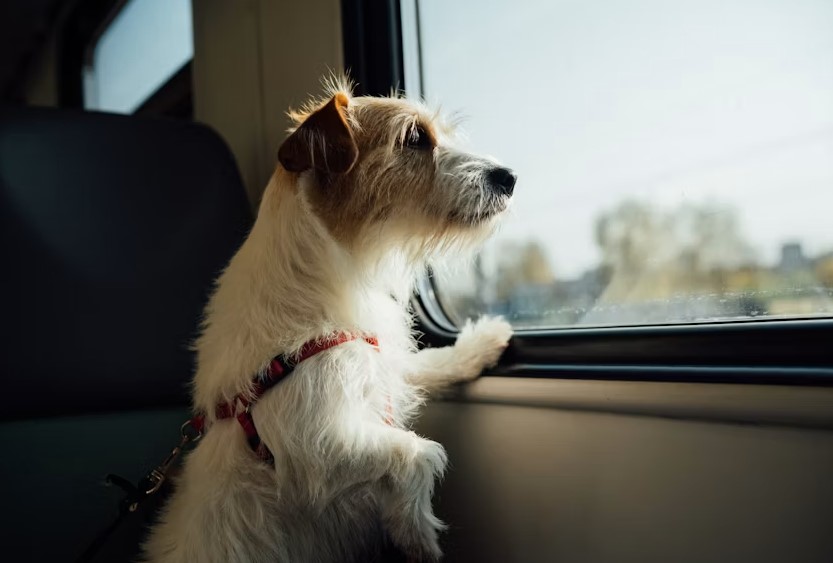
Recognize the Signs Before They Escalate
Travel stress rarely shows up out of nowhere. Dogs usually give a few early signals: excessive panting even when it’s not hot, drooling, yawning outside of tiredness, lip licking, pacing, or trying to hide behind your legs or under a seat. Some dogs go the opposite direction and freeze completely, refusing to move at all. Catching these cues early lets you slow down, offer reassurance, or pause the trip for a few minutes before the stress builds into something harder to undo, like whining for the rest of the drive or refusing to get back in the car next time.
Start With Short, Low-Stakes Trips
Dogs build negative associations quickly, especially if their only car rides end at the vet’s office. Before a big trip, take your dog on a few five-minute drives that end somewhere fun, like a park or a friend’s yard. This breaks the mental link between “car” and “something unpleasant.” If your dog is nervous about a crate or carrier, do the same thing in miniature: let them eat meals near it, then inside it with the door open, before ever closing them in.
Secure Them Properly, Every Time
An unrestrained dog in a moving vehicle is a safety risk to everyone in the car, and the anxiety of sliding around on turns only makes things worse. Use a crash-tested harness that clips into the seatbelt, or a secured crate for smaller dogs. Consistency matters here; dogs read for pattern, so bouncing between the front seat one day and the trunk the next just adds unpredictability to an already stressful situation.
Bring Something That Smells Like Home
A blanket or toy that already carries your dog’s scent, and yours, does more for anxiety than most calming products on the market. Scent is one of the strongest anchors for a dog’s sense of safety, which is why hotel rooms and new environments often trigger restlessness; everything smells wrong. Packing one familiar item bridges that gap, and it’s worth keeping the same item for every trip rather than swapping it out, so the association stays consistent.
Watch the Timing of Food and Water
A full stomach and motion don’t mix well for dogs any more than they do for people. Feed a light meal two to three hours before departure rather than right before you leave, and offer water in small amounts along the way rather than a large bowl right before getting in the car. For flights specifically, check with your vet about feeding schedules the morning of, since airline cargo and cabin rules can differ from standard car travel guidance.
Keep the Departure Routine Boring
Dogs pick up on excitement and tension alike, so a chaotic, rushed exit – bags flying, kids yelling, last-minute searches for the leash – can wind up a dog that was calm five minutes earlier. Aim for a calm, almost uneventful walk out the door. If your dog already has a “settle” or “place” cue, use it while you load the car.
Choose a Carrier That Actually Reduces Stress
For smaller dogs and cats, the carrier itself plays a bigger role in anxiety than most owners expect. A carrier that’s stuffy, dim, and only carried by a hand strap tends to amplify stress on long trips through airports or busy streets. Look for three things: airflow, so your dog isn’t trapped in a hot, stagnant box; a window your dog can see out of, since visual contact with their surroundings and with you cuts down on the feeling of being sealed away; and a way to move it that doesn’t involve your arm going numb halfway through a terminal.
I’ve found that a rolling, collapsible carrier that folds flat for storage between trips checks all three boxes for toy and small-breed dogs, since the pull handle and wheels take the strain out of longer walks, and the ventilated, see-through design keeps dogs from feeling boxed in. It’s worth noting these rolling designs are built with cats and smaller dog breeds in mind, so larger dogs will still need a proper crate or harness setup instead.
Plan Rest Stops Before You’re Desperate
On road trips, stop every two to three hours, not just when your dog is clearly uncomfortable. Regular stops for water, a short walk, and a bathroom break prevent the buildup of restlessness that turns into whining or pacing later in the drive. Try to stop somewhere with grass or a quiet patch away from traffic noise, since loud environments during a break can undo the calm you just built.
Give Them Time to Settle on Arrival
When you reach your destination, resist the urge to immediately introduce your dog to new people, pets, or a busy environment. Give them ten or fifteen minutes in a quiet space with water and their familiar blanket first. This small buffer helps their nervous system catch up with the change in surroundings, which makes the rest of the stay noticeably smoother.
A Few Common Questions
Should I sedate my dog for a long trip?
Most vets recommend against sedatives for travel unless prescribed for a specific medical reason, since sedation can affect breathing and balance in ways that are hard to monitor mid-trip. Natural desensitization and calming aids like pressure wraps are generally safer first steps.
How early should I start preparing a nervous dog for a trip?
Ideally a few weeks out, so the short practice drives and carrier training have time to build a genuinely calm association rather than a rushed one.
Is it normal for a dog to whine the entire first trip?
Yes, especially if they haven’t traveled much before. Consistency across a few trips usually brings noticeable improvement.
None of these tips require special training or expensive equipment; mostly they require a bit of foresight and a willingness to treat travel as something you prepare for rather than something you push through. Do this consistently, and most dogs go from dreading the car door to trotting toward it on their own.


