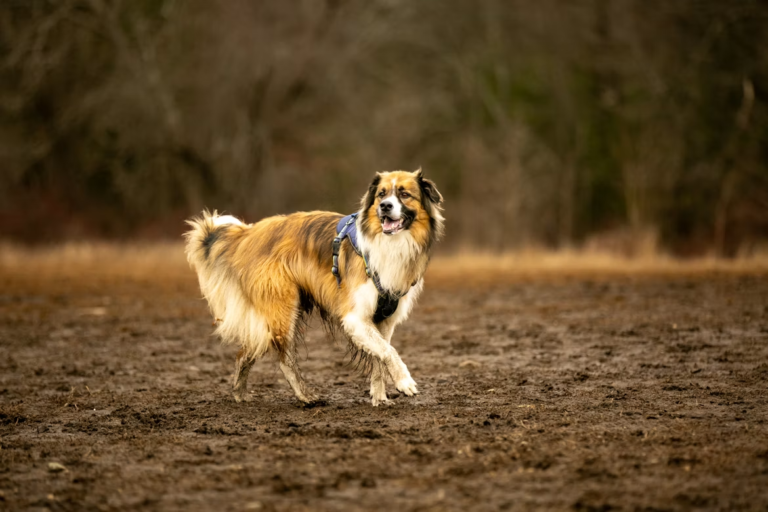
The F1 Goldendoodle: The Classic First-Generation Hybrid – Characteristics, Care, and Why They’re So Loved
The F1 Goldendoodle stands as the foundational generation in the world of designer doodles, representing a direct 50/50 cross between a purebred Golden Retriever and a purebred Poodle. This first-generation hybrid captures the essence of both parent breeds: the warm, outgoing charm of the Golden Retriever combined with the intelligence, elegance, and often lower-shedding coat of the Poodle. Since emerging in the 1990s as breeders sought friendly, family-oriented, and potentially allergy-friendlier companions, the F1 Goldendoodle has become one of the most sought-after dogs for households worldwide.

Unlike later generations that may lean more heavily toward one parent breed, the F1 offers a balanced blend that appeals to people who love the classic “doodle” look—fluffy, teddy-bear-like features with a gentle, people-pleasing personality. In this in-depth article, we’ll explore the defining traits of the F1 Goldendoodle, including temperament, size variations, coat types, grooming requirements, exercise needs, training potential, health considerations, and comparisons to other generations. Whether you’re considering bringing one home or simply curious about this beloved hybrid, you’ll find everything you need to know here.
Understanding Goldendoodle Generations: What Makes F1 Special?
The “F” in F1 stands for “filial,” a term from genetics denoting the first generation of offspring from a cross between two purebred parents. An F1 Goldendoodle is specifically the result of breeding a purebred Golden Retriever with a purebred Poodle (or vice versa). This creates a 50% Golden Retriever and 50% Poodle genetic mix.
Check Also: Small Doodle Breeds
This first-generation status gives F1 Goldendoodles a key advantage known as hybrid vigor (or heterosis). Because the parents come from genetically diverse breeds, offspring often exhibit improved overall health, fewer breed-specific issues, stronger immune systems, and greater longevity compared to purebreds or later multi-generational crosses. Many breeders and owners report that F1s tend to be robust and resilient, benefiting from this genetic diversity.
In contrast:
- F1B Goldendoodles involve breeding an F1 back to a Poodle (typically resulting in 75% Poodle, 25% Golden Retriever), aiming for curlier coats and lower shedding.
- F2 comes from breeding two F1s together, introducing more variability.
- Multi-generational (multigen) crosses build on previous hybrids.
The F1 remains popular for those who want a strong Golden Retriever influence—loyalty, eagerness to please, and a warmer, more laid-back demeanor—while still gaining Poodle smarts and coat benefits.
Physical Characteristics and Size Variations
F1 Goldendoodles come in three main size categories, depending on the Poodle parent’s size:
- Standard F1 Goldendoodle — Typically 50–90 pounds and 20–24 inches tall at the shoulder. These are energetic, sturdy dogs ideal for active families with space to roam.
- Medium F1 Goldendoodle — Around 30–50 pounds and 16–20 inches tall. A versatile middle ground for many homes.
- Mini/Petite F1 Goldendoodle — Under 30 pounds (often from Miniature or Toy Poodles). Perfect for apartments or smaller living spaces.
Coat types in F1s vary due to the equal genetic contribution:
- Wavy (most common) — The classic “fleece” coat: soft, shaggy, and teddy-bear-like. This is the signature look many associate with Goldendoodles.
- Curly — More Poodle-influenced, tighter curls, often lower shedding.
- Straight — More Golden Retriever-like, flatter, and potentially higher shedding.
Colors range widely: cream, apricot, red, champagne, black, chocolate, gray, and even parti or phantom patterns. Their expressive faces, floppy ears, and soulful eyes make them instantly recognizable and irresistibly cute.
Temperament and Personality Traits
F1 Goldendoodles are renowned for their exceptional temperament, blending the best of both worlds. They are typically:
- Extremely friendly and sociable — Outgoing with strangers, children, other dogs, and even cats. They inherit the Golden Retriever’s “love everyone” attitude.
- Affectionate and people-oriented — They thrive on human companionship and often follow owners from room to room, craving cuddles and attention.
- Intelligent and eager to please — Thanks to the Poodle side, they learn quickly and respond well to training. Many excel in obedience, tricks, agility, or therapy roles.
- Playful yet gentle — Energetic during play but calm and patient indoors, making them excellent with kids.
- Laid-back with a touch of goofiness — Compared to more Poodle-leaning generations, F1s often show a relaxed, happy-go-lucky vibe.
They bond deeply with families and can experience separation anxiety if left alone for long periods. Early socialization and crate training help mitigate this. Overall, their sweet, forgiving nature makes them suitable for first-time owners, families, seniors, and therapy work.
Coat, Shedding, and Grooming Needs
One of the biggest draws of Goldendoodles is their coat, but F1s require commitment:
- Shedding — Low to moderate. Many have reduced shedding compared to Golden Retrievers, but it’s not guaranteed non-shedding. Wavy and curly coats shed less; straight coats may shed more noticeably.
- Hypoallergenic potential — Often suitable for mild allergy sufferers due to lower dander, but no dog is truly hypoallergenic. Those with severe allergies may prefer F1B.
- Grooming routine — Essential to prevent matting. Brush 3–5 times per week (daily for curlier coats). Professional grooming every 6–8 weeks keeps them neat (popular styles: puppy cut, teddy bear trim).
- Other care — Regular ear cleaning (floppy ears trap moisture), nail trimming, and bathing as needed.
Investing in quality brushes, detangling sprays, and a good groomer pays off in a healthy, mat-free coat.
Exercise and Mental Stimulation Requirements
F1 Goldendoodles are active and playful:
- Daily exercise — 30–60 minutes for most (more for standards). Include walks, fetch, hiking, swimming (they love water!), or yard play.
- Mental stimulation — Puzzle toys, training sessions, scent games, or interactive play prevent boredom and destructive behaviors.
- Puppies — Shorter sessions (15–30 minutes) to protect growing joints; gradually increase.
With proper outlets, they settle calmly indoors, making them adaptable to various lifestyles.
Training and Socialization
Highly trainable thanks to intelligence and eagerness:
- Use positive reinforcement (treats, praise).
- Start early with basic commands, house training, and socialization.
- They excel in obedience classes, agility, or advanced tricks.
Consistency and patience yield quick results.
Health Considerations and Lifespan
F1s benefit from hybrid vigor, often healthier than purebreds. Lifespan averages 10–15 years (longer for minis).
Common concerns (from both parents):
- Hip/elbow dysplasia
- Eye issues (e.g., progressive retinal atrophy)
- Ear infections
- Allergies/skin problems
- Heart conditions
- Joint issues in larger sizes
Reputable breeders health-test parents (hips, eyes, heart, etc.). Regular vet checkups, balanced diet, and weight management help.
Pros and Cons of Owning an F1 Goldendoodle
Pros:
- Balanced temperament with strong Golden influence
- Hybrid vigor for better health
- Friendly, trainable, family-oriented
- Attractive wavy/curly coat
- Versatile sizes
- Great for active or relaxed homes
Cons:
- Variable shedding/coat predictability
- High grooming demands
- Needs daily exercise/attention
- Potential separation anxiety
- Not always fully hypoallergenic
Frequently Asked Questions (FAQs)
1. What does F1 mean for Goldendoodles? F1 means first-generation: a direct cross between a purebred Golden Retriever and purebred Poodle (50/50 mix).
2. Do F1 Goldendoodles shed? Low to moderate—less than Golden Retrievers but more than some F1Bs. Regular grooming minimizes it.
3. Are F1 Goldendoodles hypoallergenic? Often suitable for mild allergies due to lower shedding/dander, but not 100% hypoallergenic.
4. How big do F1 Goldendoodles get? Standard: 50–90 lbs; Medium: 30–50 lbs; Mini: under 30 lbs.
5. What’s the difference between F1 and F1B? F1 is 50/50; F1B is 75% Poodle (backcrossed), usually curlier, less shedding, but less hybrid vigor.
6. How much exercise do they need? 30–60 minutes daily, plus mental stimulation.
7. Are F1 Goldendoodles good with kids? Yes—gentle, playful, and patient.
8. How long do F1 Goldendoodles live? 10–15 years on average.
9. Are they easy to train? Very—intelligent and eager to please.
10. What health issues are common? Hip dysplasia, ear infections, allergies, eye problems—regular vet care helps.
11. Do F1s have more hybrid vigor? Yes, often healthier than later generations due to genetic diversity.
12. Can they live in apartments? Yes, especially minis/mediums with sufficient exercise.
Conclusion
The F1 Goldendoodle embodies the original vision of the Goldendoodle breed: a joyful fusion of Golden Retriever warmth and Poodle brilliance. With their affectionate nature, striking appearance, trainability, and potential for robust health via hybrid vigor, F1s continue to win hearts as ideal family companions, therapy dogs, and lifelong friends.
While they demand commitment to grooming, exercise, and socialization, the payoff is a devoted, playful, and loving dog that fits seamlessly into most homes. If you’re drawn to the classic teddy-bear look and balanced personality without heavy Poodle dominance, an F1 Goldendoodle could be your perfect match.
Choosing a responsible breeder who prioritizes health testing and temperament ensures the best start. With love, care, and preparation, an F1 Goldendoodle will fill your life with laughter, loyalty, and endless cuddles for years to come.