Dachshund Dog Breed Information 2026
The Dachshund, affectionately known as the “wiener dog,” “sausage dog,” or “Doxie,” is one of the most recognizable and beloved dog breeds worldwide. With its unmistakable long body, short legs, bold personality, and big-dog attitude packed into a small frame, the Dachshund has charmed families for centuries. Originally bred in Germany as a tenacious badger hunter, this hound combines courage, intelligence, and endless curiosity into a compact, comical package.
This comprehensive 3000-word article covers everything about the Dachshund—from its rich history and physical traits to temperament, coat varieties, care needs, health concerns (especially back issues), training tips, pros/cons, and adoption advice. Whether you’re considering bringing one home or already share your life with a Doxie, understanding this unique breed helps ensure a happy, healthy companionship.
History and Origins of the Dachshund
The Dachshund’s roots trace back over 600 years to medieval Germany, though the breed as we know it developed in the 15th–18th centuries. The name “Dachshund” literally translates to “badger dog” (“dachs” = badger, “hund” = dog) from German. Breeders selectively developed these dogs to hunt badgers—fierce, burrowing animals—requiring a dog with a long, low body to enter tunnels, short powerful legs for digging, and a fearless temperament.
Early ancestors likely included pointers, terriers, and scent hounds like Bloodhounds or Basset Hounds, contributing keen smell, tenacity, and structure. By the 1800s, the breed split into three coat types: smooth (original), longhaired (from selective breeding), and wirehaired (crossed with rough-coated terriers for added protection in harsh terrain).
Dachshunds gained popularity in the U.S. in the late 1800s, recognized by the American Kennel Club (AKC) in 1885. Despite World War I anti-German sentiment (some called them “liberty pups” temporarily), their charm endured. Today, they’re among the top 10–15 most popular breeds in many countries, prized as companions rather than hunters.
Physical Characteristics and Varieties
Dachshunds come in two official sizes and three coat types, creating six variations:
Sizes:
- Standard: 8–9 inches tall at the shoulder, 16–32 pounds.
- Miniature: 5–6 inches tall, 11 pounds or under (some registries include “tweenie” or rabbit-sized, but AKC recognizes only standard/mini).
The elongated spine and short legs give the iconic “hot dog” silhouette—robust, muscular, with elastic skin and no excessive wrinkling.
Coat Types:
- Smooth: Short, shiny, close-lying coat—lowest maintenance.
- Longhaired: Silky, wavy fur longer on neck, chest, ears, legs, and tail—elegant but prone to mats.
- Wirehaired: Harsh, wiry outer coat with soft undercoat, bushy eyebrows/beard—most protective for hunting.
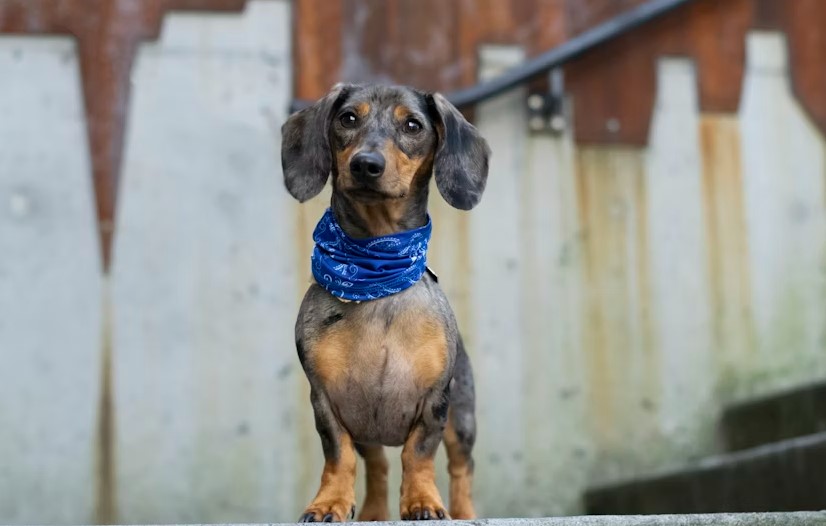
Colors and Patterns: Vast range—solid red, black & tan, chocolate & tan, cream, wheaten, wild boar, dapple, brindle, piebald, blue, Isabella (fawn). Rare pure black or double dapple exists.
This variety makes Dachshunds visually diverse and appealing.
Temperament and Personality
Dachshunds pack big personalities into small bodies. Key traits include:
- Bold and Brave: Fearless hunters—brave to rashness, often charging bigger threats.
- Intelligent and Clever: Quick learners but independent/stubborn—may “train you” if not consistent.
- Lively and Playful: Energetic, mischievous, comical—natural clowns who love games.
- Affectionate and Loyal: Fiercely devoted to family, often velcro dogs—love cuddles, following owners.
- Vocal and Alert: Excellent watchdogs with big barks; may be wary of strangers.
- Prey Drive and Digging: Strong instinct to chase small animals or dig—supervise outdoors.
They’re typically good with respectful older children but can snap if mishandled. Socialization reduces aloofness toward strangers or dogs. Separation anxiety possible due to loyalty—crate training helps.
Grooming Needs by Coat Type
Grooming varies:
- Smooth: Weekly brushing, occasional baths—sheds moderately.
- Longhaired: Regular brushing (2–3x/week) to prevent mats, especially ears/feathering; baths as needed.
- Wirehaired: Brushing weekly, hand-stripping or clipping every few months for texture; sheds less.
All need nail trims, ear cleaning (floppy ears prone to infections), dental care. Brush teeth regularly; use vet-approved products.
Exercise and Activity Requirements
Despite small size, Dachshunds need moderate exercise—30–60 minutes daily:
- Daily walks (leashed—high prey drive).
- Interactive play (fetch, tug—low-impact).
- Mental stimulation (puzzle toys, scent games—love tracking).
- Avoid high jumps (stairs, furniture)—risk to back.
Puppies need controlled activity to protect developing spines. Adults enjoy digging boxes or nosework.
Training Tips for Dachshunds
Intelligent but stubborn—positive reinforcement key:
- Start early with socialization, housebreaking.
- Short, fun sessions (5–15 min)—use treats/praise.
- Consistency—firm but gentle; avoid harsh methods.
- Crate training for safety/anxiety.
- Teach “wait” for doors/furniture.
- Harness over collar—protect neck/back.
- Recall challenging due to independence—use long lines.
Patience yields results—they excel in obedience, agility (low jumps), or earthdog trials.
Common Health Issues and Care
Lifespan: 12–16 years (longer for minis).
Major Concern: Intervertebral Disc Disease (IVDD) Affects 19–25% of Dachshunds due to long spine/short legs—discs calcify early, herniate, compress spinal cord. Symptoms: back pain, yelping, reluctance to jump/move, arched back, wobbliness, paralysis (often hind legs), incontinence.
Prevention: Maintain healthy weight, avoid jumps/high-impact, use ramps/steps, harness walks. Early signs—vet immediately; treatments include rest, meds, surgery.
Other issues:
- Obesity—extra weight stresses back/joints.
- Dental problems—regular brushing.
- Ear infections—clean weekly.
- Eye issues (PRA, cataracts).
- Skin allergies, patellar luxation.
Regular vet checkups, vaccinations, flea/heartworm prevention essential. Spay/neuter discussions with vet.
Pros and Cons of Owning a Dachshund
Pros:
- Big personality in small package—entertaining, affectionate.
- Loyal, loving companions—great cuddlers.
- Adaptable to apartments (moderate exercise).
- Long lifespan.
- Variety in sizes/coats.
- Intelligent, trainable with patience.
Cons:
- Stubborn/independent—training challenging.
- Vocal—barking at noises.
- High prey drive—chase cats/squirrels.
- Prone to back issues—lifelong caution.
- Digging/burrowing instincts.
- Separation anxiety possible.
Ideal for patient, active owners committed to care.
Puppy Care, Adoption vs. Buying
Puppy Care: Socialize early, crate train, prevent back strain (no stairs/jumps). Feed puppy food, monitor growth.
Adoption vs. Buying:
- Adoption: Saves lives, often adults with known temperament (spayed/neutered, vaccinated). Rescues/shelters have Doxies—lower cost ($100–$500).
- Buying: From ethical breeders—health-tested parents (IVDD screening), predictable traits. Cost $1,000–$3,000+. Research breeders (Dachshund Club of America).
Adoption ethical/responsible; buying from reputable sources ensures health.
Frequently Asked Questions (FAQs)
1. How much exercise does a Dachshund need? 30–60 minutes daily—walks, play, mental games. Avoid high-impact.
2. Are Dachshunds good family dogs? Yes—with older, respectful kids. Supervise; may snap if mishandled.
3. Do Dachshunds shed a lot? Smooth shed moderately; long/wire less. Regular brushing helps.
4. Why are Dachshunds prone to back problems? Long spine/short legs cause early disc degeneration (IVDD).
5. How long do Dachshunds live? 12–16 years; minis often longer.
6. Are they easy to train? Intelligent but stubborn—positive, consistent methods work best.
7. Do they bark a lot? Yes—alert vocal watchdogs; trainable.
8. What’s the difference in coat types? Smooth: low-maintenance; long: silky, mats; wire: harsh, protective.
9. Can they live in apartments? Yes—with exercise and stimulation.
10. Puppy or adult for first-time owners? Adult often easier—known personality; puppies need more training.
11. How to prevent IVDD? Healthy weight, ramps, no jumping, harness.
12. Are they hypoallergenic? No—shed variably; no breed truly is.
Conclusion
The Dachshund is a breed like no other—bold, loyal, comical, and endlessly endearing. Its hunting heritage gives it courage and curiosity, while its unique build demands careful care, especially spine protection. With proper training, exercise, grooming, and vet attention, Doxies thrive as devoted companions, bringing laughter and love for 12–16+ years.
Whether smooth, longhaired, or wirehaired; standard or miniature, a Dachshund rewards patient owners with unwavering affection and personality. Consider adoption to give a deserving Doxie a home, or choose a responsible breeder for predictability. Either way, prepare for a life filled with wiener wiggles, big barks, and endless snuggles. The Dachshund doesn’t just enter your home—it claims your heart.