Chipit: The Spirited Chihuahua Pit Bull Mix – A Complete Guide
The Chipit, also known as the Chihuahua Pit Bull mix, Pithuahua, Chi-Pit, or Mexican Bulldog, is a captivating designer dog breed that blends the fiery sass and tiny stature of the Chihuahua with the muscular build, loyalty, and strength of the American Pit Bull Terrier. This hybrid combines two vastly different parent breeds—one of the world’s smallest dogs and one of the most powerful medium breeds—resulting in a compact, energetic, affectionate companion that often surprises people with its bold personality packed into a small-to-medium frame.

As a “designer” or mixed breed, the Chipit is not recognized by major kennel clubs like the AKC (which registers only purebreds), but it has gained a dedicated following among pet owners who love its unique appearance, playful spirit, and family-oriented nature. In 2026, Chipits remain popular in rescue communities and with first-time owners seeking a lively yet manageable dog. This 3000-word article explores the Chipit in depth—from its origins and physical traits to temperament, care needs, training, health concerns, adoption tips, and more—providing everything needed to decide if this feisty mix is right for you.
Check Also: Puppy Yoga Los Angeles
Origins and History of the Chipit
The Chipit emerged in the late 1990s to early 2000s during the “designer dog” boom, inspired by successful hybrids like the Labradoodle and Goldendoodle. Breeders intentionally crossed the Chihuahua (an ancient Mexican breed, likely descended from Techichi dogs of pre-Columbian civilizations) with the American Pit Bull Terrier (developed in 19th-century England/USA from bulldog and terrier stock for bull-baiting and later farm work). The goal: create a small-to-medium dog with the Pit Bull’s loyalty and athleticism plus the Chihuahua’s compact size, big personality, and low-maintenance coat.
Unlike purebreds, Chipits have no standardized history or registry, but they quickly became popular in the U.S. for their “best of both worlds” appeal. Many come from accidental litters or rescues, as both parent breeds are common in shelters. The name “Chipit” (Chihuahua + Pit Bull) caught on via social media and pet forums, though variations like “Pithuahua” exist. Today, Chipits are often adopted rather than purposefully bred, with rescues emphasizing socialization to counter any stereotypes from the Pit Bull side.
Physical Characteristics and Appearance
Chipits vary widely due to the hybrid nature—genetics can lean toward either parent.
Size and Build:
- Height: 12–18 inches at the shoulder.
- Weight: 15–35 pounds (often 20–30 pounds; some “micro” versions closer to Chihuahua size, others more Pit-like at 35+).
- Body: Compact yet muscular—broad chest, strong legs, short back; athletic without being bulky.
Coat and Colors:
- Short, smooth coat dominant (from Pit Bull influence); some have slightly longer or wiry fur.
- Colors: Black, brindle, blue, fawn, red, white, tan markings; often solid or patched.
- Low to moderate shedding; minimal grooming needs.
Head and Features:
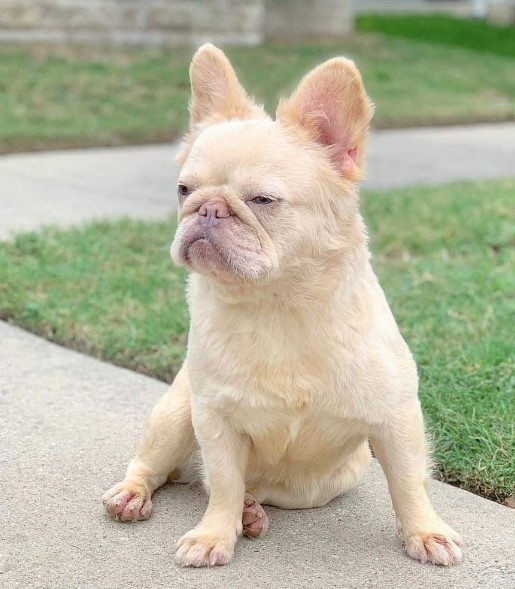
- Head: Broad skull (Pit influence) with short muzzle; large ears (erect or semi-erect); expressive eyes (dark or amber).
- Tail: Medium length, often carried high.
- Overall look: “Forever puppy” vibe—muscular yet compact, with a big-dog attitude in a small package.
Puppies start tiny (Chihuahua-like) but fill out with Pit Bull muscle by 6–12 months.
Temperament and Personality
Chipits inherit a dynamic mix of traits:
- Loyal and Affectionate: Deeply bonded to family; velcro dogs who crave attention.
- Energetic and Playful: High energy in bursts—love fetch, tug, zoomies; athletic despite size.
- Bold and Confident: Fearless (Chihuahua sass + Pit Bull courage); protective watchdogs with alert barking.
- Intelligent but Stubborn: Quick learners with positive methods; independent streak requires consistency.
- Good with Families: Gentle with respectful kids; social with other pets if raised together.
- Potential Challenges: Can be wary of strangers or dog-aggressive if unsocialized (Pit influence); vocal; separation anxiety possible.
Early socialization is crucial to balance boldness with friendliness—Chipits thrive with patient, firm owners.
Puppy Care Essentials for Chipits
Nutrition:
- High-quality small/medium-breed puppy food (high protein for muscle, DHA for brain).
- 3–4 meals/day until 6 months; transition to 2 meals.
- Portion carefully—prone to obesity.
House Training:
- Small bladder—frequent breaks; crate training + praise.
- Consistency key; accidents common early.
Socialization and Exercise:
- Expose to people/sounds/handling early.
- 30–60 minutes daily: walks, play, mental games.
- Avoid overexertion in heat (short muzzle).
Health Basics:
- Vaccinations, deworming, flea/heartworm prevention.
- Vet checks at 8, 12, 16 weeks.
- Spay/neuter around 6–12 months.
Grooming and Coat Care
Low-maintenance coat:
- Brush weekly (shedding minimal).
- Bath as needed (every 4–8 weeks).
- Trim nails, clean ears (floppy prone to infections), brush teeth.
Short coat reduces matting risk.
Training Tips for Chipit Puppies
Positive reinforcement essential:
- Short sessions (5–10 min).
- Teach sit, stay, come; use treats/praise.
- Socialize via classes.
- Manage barking/chewing with redirection.
Stubborn streak—patience and consistency win.
Common Health Issues
Lifespan: 10–13 years (average of parents).
Concerns:
- Patellar luxation (slipping kneecap).
- Hip dysplasia.
- Dental issues (small mouth).
- Heart problems (Chihuahua risk).
- Allergies/skin.
- Color dilution alopecia (if dilute colors).
Hybrid vigor may reduce some risks; choose tested parents.
Pros and Cons
Pros:
- Loyal, affectionate family dog.
- Energetic yet compact.
- Low grooming.
- Intelligent and trainable.
- Good watchdog.
Cons:
- Potential dog aggression if unsocialized.
- Vocal/barking.
- Stubborn streak.
- Health concerns.
- Strong prey drive possible.
Adoption vs. Buying
Adoption:
- Many Chipits in rescues (Pit mixes common).
- Lower cost ($100–$500); vetted.
Buying:
- Rare purposeful breeders.
- Cost $500–$2,000+.
- Research health testing.
Adoption ethical and common for mixes.
Frequently Asked Questions (FAQs)
1. How big do Chipits get? 12–18 inches tall, 15–35 pounds.
2. Are Chipits good family dogs? Yes—with socialization; loyal and playful.
3. Do they bark a lot? Alert barkers; trainable.
4. Grooming needs? Low—weekly brush, occasional bath.
5. Lifespan? 10–13 years.
6. Exercise requirements? 30–60 minutes daily; active play.
7. Common health issues? Patellar luxation, hip dysplasia, dental, allergies.
8. Good with kids/pets? Usually yes—with early socialization.
9. Apartment-friendly? Yes—compact size, moderate exercise.
10. Training difficulty? Moderate—intelligent but stubborn.
11. Hypoallergenic? No—sheds minimally.
12. Puppy or adult adoption? Adults often calmer; puppies need more training.
Conclusion
The Chipit is a spirited, loving hybrid that packs big personality into a small-to-medium frame—blending Chihuahua sass with Pit Bull loyalty for a devoted, energetic companion. With proper socialization, training, exercise, and care, Chipits thrive as family pets, offering affection, protection, and fun for 10–13+ years.
Adopt from rescues when possible—many wonderful Chipits await homes. Prioritize early socialization, positive training, and vet checkups to address potential challenges. A Chipit doesn’t just become a pet—they become a bold, cuddly best friend who fills your life with joy, wags, and endless loyalty. If this feisty mix calls to you, prepare for a lifetime of love and adventure in one compact package.