
10 Best Dogs in the World: Outstanding Breeds for Companionship, Work, and Family Life
Choosing the “best” dog in the world is inherently subjective. What makes a dog outstanding depends on the owner’s lifestyle, living situation, experience level, activity preferences, and what qualities they value most—whether that is gentle companionship, high trainability, protective instincts, low grooming needs, or versatility in work and sport. No single breed is best for everyone. However, certain breeds consistently rise to the top across popularity rankings, trainer surveys, family suitability studies, intelligence assessments, and real-world versatility.
This comprehensive 3000+ word article highlights 10 of the most highly regarded dog breeds in the world. The selection draws from long-term popularity data (including recent American Kennel Club rankings), proven working ability, temperament reliability, trainability, and adaptability to family life. For each breed you will find background, key traits, care considerations, strengths, and potential challenges. The goal is not to declare an absolute ranking of superiority but to present exceptional dogs that have earned their reputations through decades of partnership with people.
How These 10 Breeds Were Selected
Criteria included:
- Consistent high rankings in popularity and owner satisfaction
- Strong performance as family companions, working dogs, or both
- Intelligence and trainability
- Temperament stability when properly bred and raised
- Versatility across roles (companionship, service, sport, hunting, or herding)
- Availability of health-conscious breeding programs
Health realities are noted honestly. Even the best breeds have predispositions that responsible owners must manage.
1. Labrador Retriever
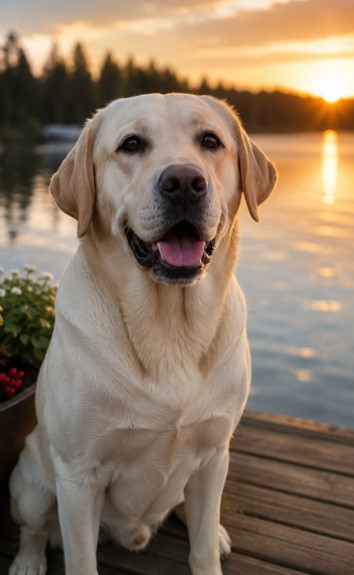
The Labrador Retriever frequently tops lists of best all-around dogs and spent decades as the most popular breed in the United States before being overtaken in pure registration numbers. Originally developed in Newfoundland and refined in Britain as a gun dog, the Lab combines a friendly, outgoing temperament with high trainability and an eager-to-please attitude.
Labs typically stand 21.5–24.5 inches and weigh 55–80 pounds. They come in black, yellow, and chocolate. Their short, dense coat is relatively low-maintenance, though they shed seasonally. Temperament is one of their greatest strengths: patient with children, generally good with other animals, and adaptable to many living situations when given sufficient exercise.
They excel as service dogs, detection dogs, search-and-rescue partners, hunting companions, and family pets. Exercise needs are high—daily vigorous activity is essential to prevent boredom and weight gain. Common health concerns include hip and elbow dysplasia, exercise-induced collapse in some lines, and a tendency toward obesity. Average lifespan is 10–12 years. For active families and first-time owners willing to provide training and exercise, the Labrador remains one of the most reliable choices in the canine world.
2. Golden Retriever
Golden Retrievers share many virtues with Labs while adding a distinctive silky coat and a reputation for exceptional gentleness. Bred in Scotland as retrieving gun dogs, Goldens are famous for their friendly, tolerant disposition and strong desire for human companionship.
Males typically stand 23–24 inches and weigh 65–75 pounds; females are slightly smaller. The medium-to-long golden coat requires regular brushing. Goldens are highly trainable, eager to work, and widely used in therapy, service, and assistance roles. They tend to get along well with children and other pets when socialized.
Like Labs, they need substantial daily exercise and mental stimulation. Health considerations include hip and elbow dysplasia, certain cancers (notably hemangiosarcoma and lymphoma in some lines), and ear infections. Lifespan averages 10–12 years. Their combination of beauty, brains, and kindness keeps them among the most beloved breeds worldwide.

3. German Shepherd Dog
The German Shepherd is a premier working breed developed in Germany for herding and later refined for police, military, and service work. Intelligent, loyal, and versatile, German Shepherds rank among the top breeds for trainability and working ability.
They typically stand 22–26 inches and weigh 50–90 pounds, with a dense double coat that sheds heavily. A well-bred German Shepherd is confident, courageous, and deeply bonded to its family while remaining aloof with strangers. Early socialization and firm, fair training are essential.
These dogs thrive when given a job—whether formal work, dog sports, or structured activity. Without sufficient mental and physical outlets they can become frustrated. Health concerns include hip and elbow dysplasia, degenerative myelopathy, and bloat. Lifespan is often 9–13 years. For experienced owners who can meet their needs, German Shepherds are outstanding partners.

4. Poodle (Standard)
Poodles, particularly Standards, combine exceptional intelligence with an athletic build and a low-shedding, hypoallergenic-friendly coat. Originally water retrievers, they excel in obedience, agility, service work, and companionship.
Standard Poodles typically stand over 15 inches and weigh 40–70 pounds. Their curly coat requires regular professional grooming but produces minimal shedding. They are highly trainable, elegant, and often good with families. Miniature and Toy varieties share the intelligence in smaller packages.
Poodles need both physical exercise and mental challenges. Health issues can include hip dysplasia, certain eye conditions, and bloat in Standards. With good care they often live 12–15 years. Their combination of brains, trainability, and reduced shedding earns them a permanent place among the world’s best dogs.

5. Border Collie
Border Collies are widely regarded as the most intelligent dog breed. Developed on the border of Scotland and England for sheep herding, they possess intense focus, energy, and problem-solving ability.
They typically stand 18–22 inches and weigh 30–55 pounds. Their coat may be rough or smooth. Border Collies form strong bonds and thrive on work—herding, agility, obedience, or complex games. They are not ideal for sedentary homes.
Without sufficient stimulation they can develop obsessive or destructive behaviors. Health concerns include hip dysplasia and collie eye anomaly. Lifespan is often 12–15 years. For active, experienced owners who want a canine partner in every sense, the Border Collie is unmatched.

6. Australian Shepherd
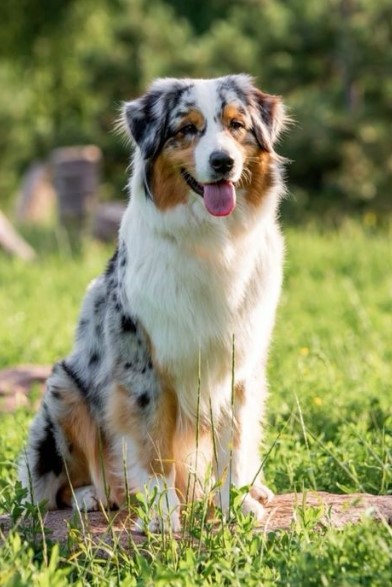
Australian Shepherds (actually developed in the United States) are versatile herding dogs known for intelligence, agility, and loyalty. They typically stand 18–23 inches and weigh 40–65 pounds, often with striking merle or patterned coats.
Aussies are energetic, trainable, and affectionate with their families. They excel in dog sports and need daily vigorous exercise plus mental work. They can be reserved with strangers and may try to herd children or other pets.
Health considerations include hip dysplasia and eye issues. Lifespan averages 12–15 years. Active families and owners who enjoy training find them outstanding companions.
7. Beagle
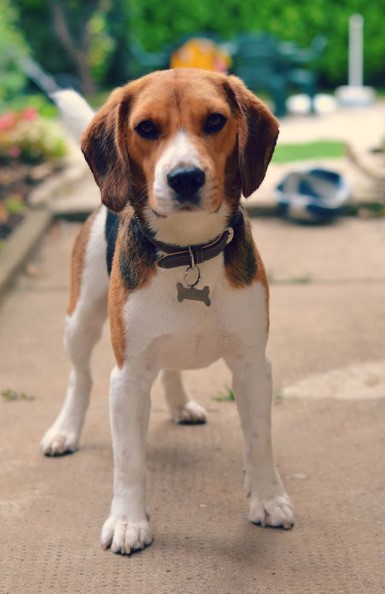
Beagles bring merry temperament, compact size, and a superb nose to the list. Developed as scent hounds for hunting hare, they typically stand 13–15 inches and weigh 20–30 pounds.
They are generally friendly, curious, and good with children. Their independent scent-driven nature can make recall challenging, and they are vocal. Exercise needs are moderate to high. The short coat is easy to care for.
Common issues include intervertebral disc disease risk (in some), ear infections, and weight gain. Lifespan is often 12–15 years. Beagles suit families who appreciate a hound’s character and can provide secure containment and outlets for the nose.
8. Rottweiler
Rottweilers are powerful, confident guardian dogs with a steady temperament when properly bred and trained. Originating in Germany as cattle drovers and all-purpose workers, they typically stand 22–27 inches and weigh 80–135 pounds.
A well-socialized Rottweiler is calm, loyal, and trainable. They require experienced handling, early socialization, and consistent leadership. Exercise needs are moderate to high. The short coat is low-maintenance.
Health concerns include hip and elbow dysplasia, certain cancers, and heart conditions. Lifespan is often 8–10 years. For knowledgeable owners seeking a protective yet family-oriented large dog, Rottweilers rank among the best.

9. Cavalier King Charles Spaniel
Cavaliers offer gentle companionship in a small package. These toy spaniels typically stand 12–13 inches and weigh 13–18 pounds. They are affectionate, adaptable, and usually excellent with children and other pets.
Their silky coat needs regular grooming. Exercise requirements are moderate. The breed is prone to mitral valve disease and other cardiac issues, as well as syringomyelia in some lines, so health screening is important. Lifespan averages 12–15 years. For those seeking a devoted, portable companion, Cavaliers are hard to beat.

10. German Shorthaired Pointer
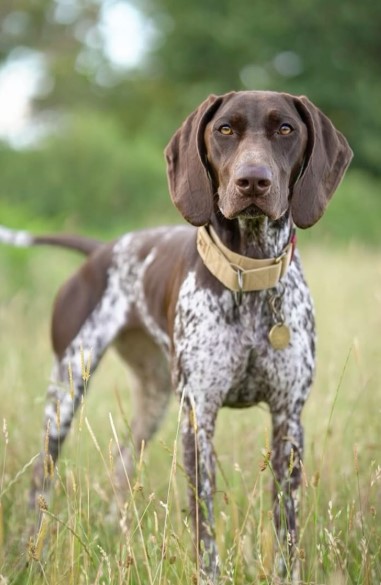
German Shorthaired Pointers are versatile hunting dogs that also make energetic family companions. They typically stand 21–25 inches and weigh 45–70 pounds, with a short, easy-care coat.
GSPs are intelligent, affectionate, and high-energy. They need substantial daily exercise and do best with active owners. They excel in hunting, field trials, and dog sports. Health concerns include hip dysplasia and certain cancers. Lifespan is often 12–14 years. For outdoors-oriented households, they represent an outstanding balance of work ethic and companionship.
Important Considerations When Choosing Any “Best” Dog
No breed is perfect. Even top-ranked dogs require training, socialization, exercise, veterinary care, and financial commitment. Health testing of parents, responsible breeding or adoption, and honest assessment of one’s own lifestyle matter more than any list. Mixed-breed dogs often combine the best traits of multiple breeds and can be equally wonderful companions.
FAQs
1. What is the single best dog breed in the world?
There is no universal best. Labrador Retrievers and Golden Retrievers are most often recommended for general family life.
2. Which dog is the most intelligent?
Border Collies consistently rank highest in working intelligence assessments.
3. What is the most popular dog breed currently?
According to recent AKC data, the French Bulldog holds the top registration spot, followed by Labrador Retriever and Golden Retriever.
4. Which breeds are best for families with children?
Labrador Retrievers, Golden Retrievers, Beagles, and Cavalier King Charles Spaniels frequently appear on family-friendly lists (always with supervision).
5. What is the best low-shedding dog among the top breeds?
Poodles are the strongest low-shedding option on this list.
6. Which of these dogs needs the most exercise?
Border Collies, Australian Shepherds, and German Shorthaired Pointers have the highest exercise demands.
7. Are popular dogs always healthy?
No. Popularity can lead to overbreeding. Choose health-tested lines regardless of breed.
8. Can first-time owners handle these breeds?
Labs, Goldens, Beagles, and Cavaliers are often suitable for committed beginners. Working breeds usually need more experience.
9. How important is training?
Critical for every breed. Even the “best” dogs need guidance to become well-mannered companions.
10. Should I consider a mixed breed?
Yes. Many mixed-breed dogs make outstanding pets and may have fewer inherited health issues.
Conclusion
The ten breeds profiled here—Labrador Retriever, Golden Retriever, German Shepherd, Poodle, Border Collie, Australian Shepherd, Beagle, Rottweiler, Cavalier King Charles Spaniel, and German Shorthaired Pointer—represent some of the most capable, companionable, and accomplished dogs in the world. Each has earned its reputation through a combination of temperament, trainability, versatility, and partnership with humans. Yet the true “best dog” is not found on any universal list. It is the individual animal whose needs align with your lifestyle, whose personality meshes with your household, and whose care you are prepared to provide for its lifetime. Whether you choose one of these celebrated purebreds or a unique mixed-breed companion, success comes from research, responsible sourcing, consistent training, and genuine commitment. When that foundation is in place, any dog has the potential to become the best dog in the world—for you.


