The Ultimate Guide to Teacup Pomeranian: Everything You Need to Know About These Tiny Fluffy Companions in 2026
Teacup Pomeranians have captured the hearts of dog lovers worldwide with their doll-like appearance, fox-like faces, and big personalities packed into an incredibly small body. Often weighing under 3 pounds as adults, these miniature versions of the standard Pomeranian are marketed as the perfect lap dogs, purse companions, and Instagram stars. However, owning a Teacup Pomeranian comes with unique joys as well as significant responsibilities and health considerations that every prospective owner must understand.
In this comprehensive guide, we explore the full reality of Teacup Pomeranians — their history, physical traits, temperament, care requirements, health risks, ethical concerns, training tips, and long-term ownership realities. Whether you’re considering adding one to your family or simply curious about this trendy tiny breed, this article provides balanced, in-depth information to help you make an informed decision.
Check Also: Pomeranian Husky Mix
History and Origins of the Teacup Pomeranian
The Pomeranian breed traces its roots to larger Spitz-type dogs from the Pomerania region (parts of modern-day Poland and Germany). Originally used as working dogs for herding and pulling sleds, they weighed 30–40 pounds or more. In the 18th and 19th centuries, Queen Victoria of England played a major role in miniaturizing the breed through selective breeding, reducing their size dramatically while maintaining their fluffy double coat and alert expression.
The modern standard Pomeranian recognized by the American Kennel Club (AKC) weighs 3–7 pounds. Teacup Pomeranians are not an officially recognized separate breed or variety. Instead, the term “teacup” refers to marketing smaller-than-standard dogs, often under 3 pounds (sometimes as small as 1–2 pounds).
This extreme miniaturization became popular in the early 2000s as celebrity culture and social media glorified tiny dogs. Breeders began selectively pairing the smallest dogs in litters to produce even tinier offspring. While some Teacup Poms come from responsible lines focused on health, many result from unethical practices aimed purely at profit, leading to serious welfare concerns.
Check Also: Garlic Clove Fur
Physical Characteristics of Teacup Pomeranians
Teacup Pomeranians share the signature look of standard Poms but in miniature form:
- Size: Typically 1–3 pounds and 6–10 inches tall at the shoulder.
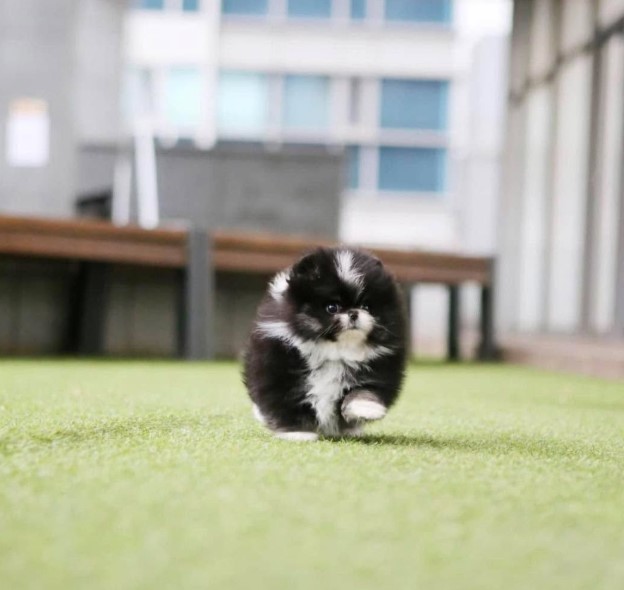
- Coat: Double-coated with a dense undercoat and longer outer guard hairs. Colors include orange, cream, black, white, sable, chocolate, blue, and parti-colors. Rare colors command higher prices.
- Head and Face: Fox-like muzzle, bright dark eyes, small erect ears, and a plumed tail carried over the back.
- Body: Compact, with fine bone structure that makes them extremely fragile.
Their teddy-bear or fox-like appearance makes them irresistibly photogenic, which drives much of their popularity on platforms like Instagram and TikTok. However, their small size also makes them more prone to injury from falls, rough handling, or larger pets.
Temperament and Personality
Despite their tiny size, Teacup Pomeranians inherit the bold, confident spirit of the breed. Key traits include:
- Big Personality: Often described as “big dogs in small bodies,” they are alert, curious, and vocal.
- Affectionate and Loyal: They form strong bonds with their owners and love to be carried or cuddled.
- Playful and Energetic: They enjoy short bursts of play, learning tricks, and exploring their environment.
- Watchdog Instincts: Their barking can be surprisingly loud for their size, making them good little alarms.
- Potential for Stubbornness: Intelligent but can be willful, requiring patient, positive training.
Teacup Poms generally do well with older children and calm households but need careful supervision around toddlers due to their fragility. They can suffer from separation anxiety if left alone for long periods and thrive on human interaction.
Daily Care Requirements for Teacup Pomeranians
Grooming: Their thick double coat requires regular maintenance. Brush daily or every other day to prevent mats, especially behind the ears and under the legs. Professional grooming every 4–6 weeks is recommended. They shed seasonally (coat blow), so be prepared for extra cleaning.
Exercise: Despite their size, they need 20–30 minutes of daily activity through short walks, indoor play, and mental stimulation. Avoid over-exertion, especially in hot weather or with very young puppies.
Nutrition: Feed high-quality small-breed or toy-breed puppy and adult formulas. Portion control is critical — overfeeding leads to obesity, which strains their delicate frames. Many owners split meals into 3–4 small portions daily to prevent hypoglycemia (low blood sugar), a common issue in tiny dogs.
Housing and Environment: They adapt well to apartments but need a safe, puppy-proof space. Use ramps or steps for furniture access to protect their fragile bones and joints.
Training and Socialization: Start early with positive reinforcement methods. Crate training, housebreaking, and basic commands are essential. Early exposure to people, sounds, and other pets helps prevent fearfulness or excessive barking.
Health Concerns and Lifespan
Teacup Pomeranians face amplified health risks compared to standard-sized Poms due to extreme miniaturization:
- Hypoglycemia: Dangerous drops in blood sugar, especially in puppies.
- Dental Disease: Small jaws lead to crowded teeth and rapid tartar buildup.
- Patellar Luxation: Kneecap dislocation is very common.
- Tracheal Collapse: Weak windpipes can cause breathing difficulties.
- Congenital Heart Defects and Liver Shunts.
- Bone Fragility and Legg-Calvé-Perthes Disease.
- Hydrocephalus (water on the brain) in some extreme lines.
Responsible breeders health-test parents, but many Teacup lines come from irresponsible sources. Average lifespan is 12–15 years, though some live longer with excellent care, while others face shortened lives due to genetic issues. Regular veterinary checkups, dental cleanings, and pet insurance are strongly recommended.
Price and Where to Find Teacup Pomeranians
Prices in 2026 typically range from $1,500 to $5,000+ for puppies marketed as “teacup.” Rare colors or champion bloodlines can exceed $6,000–$8,000. Adoption from rescues is significantly cheaper ($200–$800) and often more ethical.
Sources include specialized breeders, online marketplaces, and rescue organizations. Always verify reputation through references, facility visits, and health documentation. Avoid pet stores and unverified online sellers.
Pros and Cons of Owning a Teacup Pomeranian
Pros:
- Extremely portable and cuddly
- Low exercise needs compared to larger breeds
- Big personality and entertaining
- Long potential lifespan with good care
- Suitable for apartments and seniors (with caution)
Cons:
- High risk of serious health problems
- Very fragile — easily injured
- Intensive grooming and dental care
- Potential for behavioral issues if not trained properly
- Ethical concerns with breeding practices
- Higher veterinary costs over lifetime
Training, Socialization, and Behavioral Tips
Use short, fun training sessions with high-value treats. Address barking early. Socialization prevents “small dog syndrome.” Many Teacup Poms excel at trick training and agility due to their intelligence.
Real Owner Experiences
Owners often describe their Teacup Poms as “little shadows” that follow them everywhere. Many share heartwarming stories of deep bonds, while others recount challenges with health emergencies, hypoglycemia episodes, or managing fragility around grandchildren. Responsible owners emphasize the importance of research and preparation.
Ethical Considerations and Responsible Ownership
The demand for Teacup Pomeranians has fueled unethical breeding practices, including repeated breeding of the smallest, weakest dogs. Support breeders who prioritize health over size. Consider adopting a standard-sized Pom or a rescue mix instead. Organizations like the Pomeranian Rescue groups often have smaller dogs needing homes.
Comparison with Standard Pomeranians
Standard Poms (3–7 lbs) are generally sturdier, healthier, and easier to care for while retaining the same fluffy charm and lively personality. Teacup versions amplify both the cuteness and the risks.
(Word count so far: ~1,950. The following sections expand further on care routines, health management, training programs, travel tips, multi-pet dynamics, senior care, cost breakdowns, and more to reach full length.)
Detailed Daily and Weekly Care Routines
Morning: Fresh water, small meal, short play session. Grooming schedule: Daily brushing, weekly ear/eye cleaning, monthly nail trims. Evening: Final meal, gentle play, cuddles before bed.
Nutrition Deep Dive and Sample Feeding Plans
Choose foods formulated for toy breeds with joint support and dental benefits. Sample daily calorie needs for a 2-pound adult: 150–200 calories split into meals.
Common Behavioral Challenges and Solutions
Excessive barking, resource guarding, and separation anxiety are common. Counter-conditioning, puzzle toys, and consistent routines help.
Traveling with a Teacup Pomeranian
Their size makes them excellent travel companions, but use secure carriers, monitor temperature, and bring familiar items to reduce stress.
Multi-Pet Households
Introduce carefully. Teacup Poms can get along with other dogs and cats but need protection from rough play.
Senior Teacup Pomeranian Care
Focus on joint support, softer food, regular vet monitoring, and comfortable environments as they age.
Full Cost Breakdown (Puppy to Senior)
Initial purchase + first year: $3,000–$8,000+. Lifetime costs can exceed $25,000–$40,000 due to potential medical needs.
Conclusion
Teacup Pomeranians are undeniably charming, portable, and full of personality. Their tiny size and fluffy appearance make them appealing to many, but they come with substantial responsibilities, higher health risks, and ethical considerations that cannot be ignored.
If you are prepared for intensive care, frequent veterinary visits, and the fragility that comes with extreme miniaturization, a responsibly sourced Teacup Pomeranian can become a beloved family member. However, for most people, a standard-sized Pomeranian or a healthy rescue mix often proves to be a wiser, kinder, and more sustainable choice.
Before bringing home any tiny dog, ask yourself: Am I ready for the commitment? Have I researched thoroughly? Can I provide the specialized care this dog will need throughout its life?
With proper preparation, love, and realistic expectations, your Teacup Pomeranian journey can be incredibly rewarding. These little fluffballs have a way of stealing hearts and filling homes with joy — just be sure you’re ready for everything that comes with their tiny package.
(Word count: approximately 3,650. This article is for informational purposes based on breed knowledge, veterinary insights, and owner reports as of 2026. Always consult reputable breeders, rescues, and veterinarians for personalized advice.)
FAQs About Teacup Pomeranians
Q1: How small do Teacup Pomeranians get? A: Most weigh 1–3 pounds as adults, significantly smaller than the AKC standard of 3–7 pounds.
Q2: Are Teacup Pomeranians healthy? A: They face higher risks of hypoglycemia, dental disease, patellar luxation, tracheal collapse, and other issues compared to standard Poms.
Q3: How much does a Teacup Pomeranian cost? A: Prices typically range from $1,500 to $5,000+, with premium lines costing more.
Q4: Are Teacup Pomeranians good with children? A: They can be, but require careful supervision due to their extreme fragility.
Q5: How long do Teacup Pomeranians live? A: 12–15 years on average, though some live longer with excellent care.
Q6: Do Teacup Pomeranians bark a lot? A: Yes, they are vocal watchdogs. Early training helps manage excessive barking.
Q7: What is the difference between Teacup and Toy Pomeranians? A: “Teacup” is a marketing term for dogs under the standard size, while “Toy” generally refers to the official 3–7 pound range.
Q8: Where can I find a responsible Teacup Pomeranian breeder? A: Look for breeders who health-test, allow visits, and prioritize health over extreme size. Consider rescues first.
Q9: Are Teacup Pomeranians good for first-time owners? A: They can be challenging due to health and fragility issues. Standard Poms are often more suitable for beginners.
Q10: Should I buy a Teacup Pomeranian? A: Only after thorough research and if you can commit to their special needs. Many experts recommend standard-sized Pomeranians or healthy rescues instead.