Puppy Obedience Classes: Your Questions Answered
Bringing home a puppy is one of the most joyful — and chaotic — experiences a person can have. Between the sleepless nights, the chewed shoes, and the puddles on the kitchen floor, it can feel like you’ll never get on top of things.
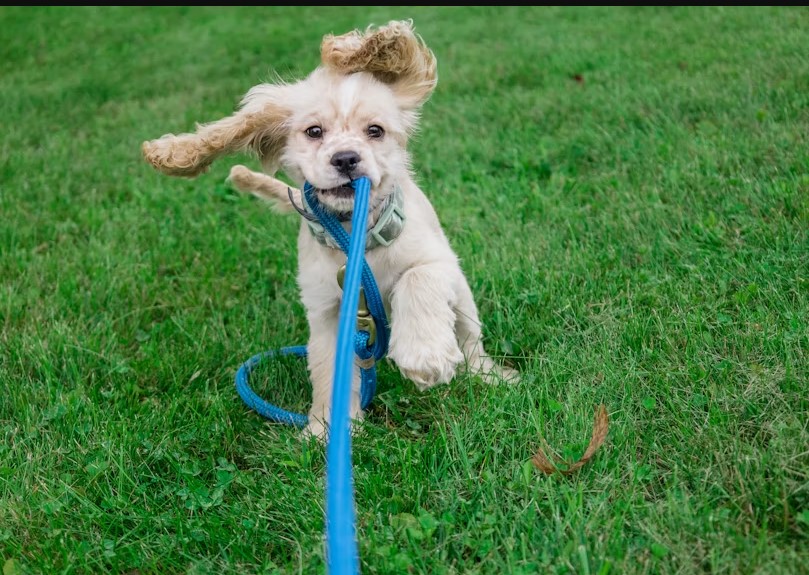
Puppy obedience classes exist precisely for this moment. They’re one of the best investments you can make in your dog’s future — and yours. But with so many options out there, knowing where to start isn’t always easy.
Here are the answers to the questions we get asked most often.
What age can my puppy start obedience classes?
Most reputable puppy training classes accept puppies from around 8 to 16 weeks old, though specific requirements vary by provider. The earlier the better — this window coincides with the critical socialisation period, a developmental phase where puppies are neurologically primed to form positive associations with the world around them.
The British Veterinary Association and most animal behaviour organisations recommend that puppies begin puppy training socialisation classes as soon as possible after their first vaccination, even before the full vaccination course is complete. The risk of missing this developmental window is considered greater than the minimal infection risk in a well-run class environment.
What will my puppy actually learn?
A good puppy obedience class covers far more than basic commands. You can expect your puppy to work on:
- Core commands: sit, down, stay, come, leave it
- Loose lead walking foundations
- Handling and grooming tolerance (being touched, examined, having paws held)
- Meeting people and other puppies calmly
- Focus and engagement with their owner
- Settling and relaxation on cue
You’ll also learn a lot yourself — how to use reward-based techniques effectively, how to read your puppy’s body language, and how to set up your home environment for success.
How are puppy classes different from adult dog training?
Puppy classes are structured around the specific developmental needs of young dogs. Sessions are shorter (typically 45 to 60 minutes), more playful, and allow controlled off-lead interaction with other puppies — something that is crucial for healthy social development.
The focus in puppy classes is less about precision and more about building positive associations: with training, with people, with handling, with novelty. You’re laying the groundwork that all future learning sits on.
Adult dog training tends to be more focused on specific skills, proofing behaviour in distracting environments, and addressing habits that have already formed.
What should I look for in a puppy class?
Not all classes are created equal. Here’s what to look for — and what to avoid:
Green flags:
- Small class sizes (no more than six to eight puppies)
- Force-free, reward-based training methods
- A trainer with recognised qualifications (APDT, IMDT, KCAI)
- Controlled off-lead time with appropriate supervision
- A focus on owner education, not just puppy performance
- A clean, safe environment
Red flags:
- Any use of choke chains, prong collars, or physical corrections
- A trainer who talks about “dominance” or “being the alpha”
- Large, chaotic classes where puppies are overwhelmed
- No mention of vaccination requirements
- Dismissiveness about fear or anxiety in individual puppies
If something doesn’t feel right when you visit a class, trust that instinct. Your puppy’s first experiences of training will shape their attitude toward it for life.
My puppy is already showing behaviour I don’t like. Will classes help?
Probably — yes. Puppy classes are designed to address common puppy challenges: jumping up, mouthing and nipping, pulling on the lead, and difficulty settling. Trainers who run puppy classes encounter these issues constantly and can offer practical, immediate guidance.
If your puppy is showing more serious signs — intense fear, aggression toward people or dogs, or extreme anxiety — mention this when you enquire about classes. The trainer may suggest a one-to-one session first, or a referral to a behaviourist, before joining a group class.
What if my puppy is shy or easily overwhelmed?
This is more common than you’d think, and a good trainer will be experienced in supporting nervous puppies. In well-run classes, anxious puppies are never forced into interactions — they’re allowed to observe from a distance and engage at their own pace.
If your puppy finds group settings very stressful, a series of one-to-one sessions may be a gentler starting point before transitioning to a class environment.
IS IN-HOME PUPPY TRAINING BETTER THAN GROUP CLASSES?
For some puppies — and some families — one-to-one in-home training is a better fit than a group class environment. Rather than travelling to a venue, a trainer comes directly to your home and works with you and your puppy in the space where most of your daily life happens. This means the training is immediately relevant: your puppy learns in the exact environment where the behaviours you want to change are actually occurring.
In-home training is particularly well-suited to puppies who are easily overwhelmed in group settings, those showing early signs of anxiety or reactivity, or families with busy schedules who need more flexibility. It also allows the trainer to assess your home setup — how you feed, manage, and interact with your puppy day-to-day — and give tailored advice that a group class simply can’t offer.
Providers like Bark Busters specialise in this model, offering private in-home sessions designed around your puppy’s specific needs and your lifestyle. If group classes don’t feel like the right starting point, in-home training is well worth exploring.
How many classes will we need?
Most puppy obedience courses run for five to eight weeks, meeting once weekly. This is enough time to establish foundations and give owners the tools to continue training at home.
That said, many owners find the experience so valuable — both for training and for the community of other puppy owners — that they continue into the next level of classes once the initial course is complete. Puppy classes often lead naturally into junior or intermediate obedience programmes.
What should I bring to puppy class?
- Lots of small, soft, high-value treats (cut into tiny pieces — you’ll be using many)
- A well-fitted flat collar or harness
- A standard lead (retractable leads are not suitable for training)
- Your puppy’s vaccination records
- Patience and a sense of humour
Is puppy class really worth the money?
Consider the alternative. A puppy who misses early socialisation and training is statistically more likely to develop behavioural problems in adolescence — problems that are harder to address, more costly to treat, and more distressing for everyone involved.
Puppy obedience classes are among the most evidence-supported early interventions available for domestic dogs. The research is consistent: early positive training experiences correlate with better long-term behaviour, lower rates of relinquishment, and stronger owner-dog bonds.
So yes. Absolutely worth it.