
The Complete Guide to Dog Dental Care: A 2026 Scientific Guide
Is dental care for dogs truly necessary? The answer is an emphatic yes. On Reddit’s pet forums, discussions surrounding dental topics—such as the cost of professional teeth cleaning and the link between dental health and heart disease—consistently remain among the most popular and active threads. This underscores the fact that, for dogs, dental care is far more than a mere cosmetic procedure; it is an investment directly tied to their longevity. Whether you are seeking professional veterinary services in your area or navigating the dizzying array of oral care products currently on the market, this guide will cut through the confusion to provide you with the optimal solutions—empowering you to extend your dog’s lifespan through the most professional, scientific, and effective methods available.
Why Do Dogs Develop Dental Problems?
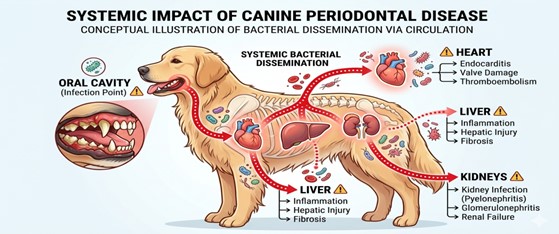
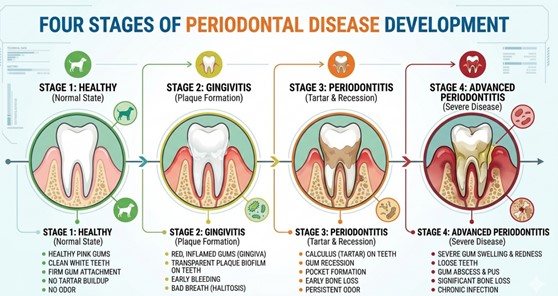
Understanding the root cause of the issue is the first step toward providing proper care. Many dog owners only begin to pay attention to their pet’s oral health after noticing clear signs that make their Dog Gums sick—such as red, swollen gums or bad breath—by which time it is often too late; in reality, a months-long battle against bacteria has already been waging inside the dog’s mouth.
What is the best thing to do for dog dental?
When it comes to pet oral care, there is no magic “one-size-fits-all” remedy. The most effective strategy is to implement a consistent, long-term daily routine guided by the Preventive Care Pyramid—a clinical framework where each tier carries a distinct priority and level of efficacy.
- The Top Tier: Tooth Brushing (The Gold Standard). This remains the single most effective and indispensable method available. Through manual physical friction, brushing thoroughly disrupts and removes dental plaque before it undergoes mineralization and hardens into permanent tartar.
- The Middle Tier: Mechanical Chews. Typically comprising VOHC-approved dental treats and textured chew toys, this category leverages a dog’s natural chewing instinct to scrape away surface debris. These products serve as a vital daily supplement to complement regular brushing.
- The Bottom Tier: Chemical & Water Additives. This category encompasses water additives, dental rinses, and specialized oral powders. These agents work by altering the chemical environment within the oral cavity to inhibit bacterial colonization. They are best used as auxiliary supplements or as alternative options for dogs that fiercely resist tooth brushing.
How to Effectively Remove Dental Plaque and Tartar
Dental Plaque: Dental plaque is a thin film that forms on the surface of the teeth within a few hours of eating, composed of bacteria, saliva, and food debris. The most effective method for its removal is the aforementioned act of brushing; physical friction is the key to maximizing the elimination of dental plaque.
Tartar: Tartar forms when dental plaque is not removed promptly, leading to its continuous accumulation and calcification. Its rough surface attracts even more plaque to adhere to it, creating a vicious cycle. At this stage, neither physical methods—such as brushing—nor chemical methods—such as using dental cleaning powders—can successfully remove it. The only solution is to visit a professional veterinary clinic to have it removed via ultrasonic dental scaling.
Dog dental care at home
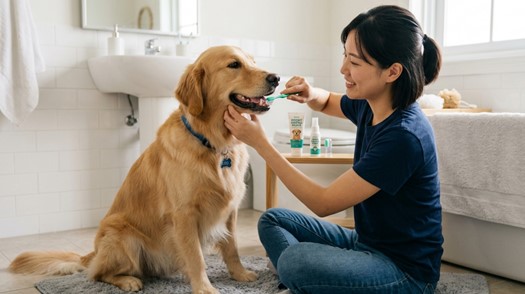
While annual professional cleanings are essential, 90% of a dog’s oral health depends on daily home care. Therefore, building the right toolkit is paramount to success. To achieve optimal results, many veterinary behaviorists recommend adhering to the “777 Rule” for home care: starting boundary and mouth-handling training by 7 weeks of age, aiming for at least 7 brush strokes per side, and scheduling a dedicated home oral check every 7 days.
Best dog dental care products
Teeth-Brushing Tools
- Finger Brushes:The primary advantage of a finger brush is its flexibility; worn directly on your finger, it allows you to physically sense the pressure and positioning while brushing. Compared to long-handled toothbrushes, dogs tend to be more accepting of this tool. It is particularly well-suited for first-time pet owners and puppies. Understanding When Do Puppies Lose Their Baby Teeth? is crucial during this stage, as a gentle finger brush helps soothe their sensitive gums and establishes a healthy brushing habit right from the start.
- Long-Handled Toothbrushes:These brushes make it easy to reach the large molars located at the back of the mouth. Featuring a double-ended design, they allow for simultaneous cleaning of both the inner and outer surfaces of the teeth, making them the preferred choice for deep cleaning.
- Dental Cleaning Powder:Dental cleaning powders typically consist of natural extracts (often derived from brown algae) and simply need to be sprinkled over your dog’s food daily. Once absorbed into the bloodstream, the active ingredients alter the composition of the saliva, thereby disrupting the ability of plaque-forming bacteria to adhere to the teeth. However, this method takes a relatively long time to show results. Furthermore, these powders often contain high levels of iodine; therefore, dogs suffering from thyroid conditions should only use them under the guidance of a veterinarian.
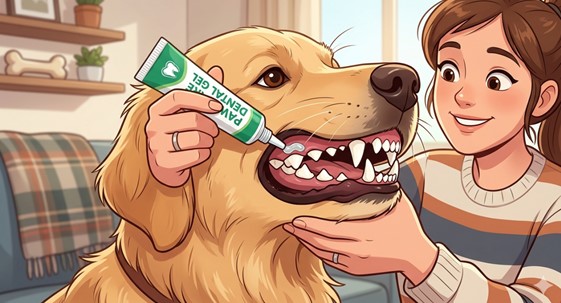
- Dental Cleaning Gels:Dental cleaning gels typically contain enzymes or antibacterial agents and are applied directly to the dog’s gum line. They work through direct, localized action; the active enzymes within the gel break down the proteins and polysaccharides trapped within dental tartar, effectively acting like a “chemical shovel” to loosen and dislodge the buildup.
- Drinking Water Additives: Simply add the additive directly to your dog’s drinking water. While effective at inhibiting bacterial growth and improving breath, these additives—much like commercial breath mints for dogs—are primarily designed for short-term freshness and have virtually no effect on heavy tartar buildup. Therefore, they should always be paired with a physical brushing routine.
Vet recommended dental care for dogs
VOHC: The VOHC is an organization comprised of the world’s leading veterinary dental experts. Products bearing this seal must undergo rigorous clinical trials to demonstrate that they effectively reduce dental plaque or tartar by at least 15–20%.
Avoid Deadly Ingredients and Safety Hazards: It is absolutely critical that you do not use human toothpaste on your dog. Human toothpaste typically contains chemical ingredients such as xylitol and fluoride; these substances are highly toxic to dogs and can lead to severe hypoglycemia or even liver failure. You must use a toothpaste specifically formulated for pets.
The ideal combination consists of a long-handled brush (the primary method)+chemical agents such as dental powder (a supplementary aid)+and dental chews or toys (a complement). Additionally, you should visit a veterinary clinic once a year for a professional oral examination and cleaning.
Professional Veterinary Intervention
Even with daily tooth brushing, there may still be hard-to-reach areas where bacteria can thrive. Just as humans require regular dental cleanings and check-ups, professional veterinary intervention serves as the final line of defense in canine dental care.
Dog dental care near
When searching for a dental care provider in your area, cost should not be the sole criterion; rather, the goal is to select a veterinary hospital that offers a sufficiently high level of professional expertise at a price point you find acceptable. The following two key indicators are provided for your reference:
Is the facility equipped with a dedicated dental X-ray machine? Approximately 60% of a dog’s tooth structure lies hidden beneath the gum line. Without an X-ray machine, a veterinarian is essentially “groping in the dark”—unable to detect issues such as root resorption, hidden abscesses, or jawbone damage.
Does the facility possess professional anesthesia monitoring equipment and personnel?Inquire whether the hospital provides multi-parameter monitoring (including ECG, blood pressure, blood oxygen saturation, carbon dioxide levels, etc.). A reputable hospital will also require pre-operative blood testing to ensure that the dog’s liver and kidney functions are sufficient to safely metabolize anesthetic medications.
Dog dental care cost
In North America, the cost of a standard professional dental cleaning for a dog typically ranges from $300 to $1,000; if tooth extractions are involved, the cost may be higher.
Pet Dental Care Cost Breakdown
| Expense Items | Estimated Amount | effect |
| Preoperative Blood Tests | $50 – $150 | Ensures normal liver and kidney function, enabling the safe metabolism of anesthetic agents and reducing surgical risks. |
| Anesthesia and Vital Sign Monitoring | $100 – $300 | Includes anesthetic agents, endotracheal intubation, and dedicated personnel to monitor vital signs such as heart rate, blood pressure, and blood oxygen levels. |
| Ultrasonic Cleaning and Polishing | $100 – $250 | Professional equipment is used to remove supragingival and subgingival dental calculus, and to smooth the tooth surfaces to delay the re-accumulation of plaque. |
| Dental X-rays | $50 – $200 | Inspect the tooth roots and any unseen lesions below the gumline to prevent missed diagnoses of deep-seated underlying issues. |
| Surcharge: Tooth Extraction (Per Tooth) | $20 – $200 | It depends on the size and location of the tooth, as well as the difficulty of the extraction (e.g., whether an incision or sutures are required). |
Data Sources: CareCredit & PetMD Survey References, AVMA Annual Reports
The above data is provided for reference purposes only; actual costs may vary slightly depending on the region.
Regional Variations: In developed cities, costs may be higher due to elevated operating expenses or the use of advanced, expensive equipment. Additionally, specialized veterinary dentists typically charge more than general practitioners, though they offer greater expertise when handling complex cases.
Free dental care for dogs
National Pet Dental Health Month: During this period, many veterinary clinics in various countries offer dental cleaning packages at discounted rates—often 20% off or even greater—and may also provide complimentary preliminary oral examinations. It is recommended to schedule an appointment at least one month in advance.
Veterinary Teaching Hospitals: The veterinary colleges of major universities typically offer clinical services to the public. Under the supervision of senior faculty members, procedures are performed by students, and the pricing is often more affordable than that of private clinics.
Non-profit Organizations and Pet Insurance: Certain animal welfare organizations periodically host low-cost dental cleaning days. Additionally, consider purchasing pet insurance that includes dental coverage, or utilize installment payment tools—such as CareCredit—to help spread out the cost of veterinary expenses.

Conclusion
Canine dental care is about far more than maintaining a bright, pearly-white smile; it is a critical, lifelong campaign to safeguard your dog’s vital organs and overall quality of life. From a simple splash of water additive in their bowl to the discipline of daily brushing and annual vet checkups, every small step is a monumental investment in their future.
Remember, when your beloved companion transitions into their senior years and can still happily crunch on their favorite kibble with zero pain, it stands as a beautiful testament to your daily dedication. Grab that toothbrush today—your dog’s heart, kidneys, and liver will thank you for it.


