The Complete Guide to the Dutch Shepherd Dog Breed: History, Characteristics, Care, Training, Health, and More
The Dutch Shepherd, also known as the Hollandse Herder, is a versatile, intelligent, and athletic working dog that has captured the attention of enthusiasts worldwide. Originating in the Netherlands, this breed excels in herding, guarding, police/military work, sports, and companionship. With a striking brindle coat, boundless energy, and keen mind, the Dutch Shepherd is often described as a “jack of all trades” among herding breeds. This extensive article (provides a thorough overview for prospective owners, covering history, breed standards, temperament, care requirements, training, health, and practical advice. Whether you’re considering adoption or simply curious, you’ll gain deep insights into this remarkable breed.
History and Origins of the Dutch Shepherd
The Dutch Shepherd emerged in the 18th–19th centuries in rural areas of the Netherlands (then Holland). Farmers and shepherds needed a versatile, hardy dog capable of multiple tasks: herding sheep and cattle, guarding property, driving livestock to market, and even pulling small carts. Unlike breeds developed through selective programs for show, the Dutch Shepherd was a natural landrace—evolving organically from local dogs suited to the Dutch landscape of fields, dunes, and farms.
Check Also: Premier Pups
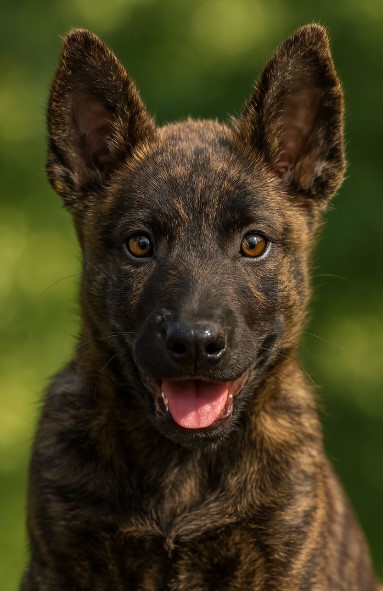
By the late 19th century, the breed was formalized. The Dutch Shepherd Club was founded around 1898, and the first standard was written. World wars and industrialization nearly caused extinction, but dedicated breeders preserved it. Today, the breed remains relatively rare but is gaining popularity due to its working abilities. It is recognized by the American Kennel Club (AKC) in the Herding Group (Miscellaneous class previously), FCI, and other organizations. Three coat varieties exist: short-haired (most common), long-haired, and rough-haired (wire-haired). Brindle (gold/silver with black stripes) is the hallmark color.
The breed’s resilience stems from its working heritage. Unlike more specialized herders (e.g., Border Collies for precision), Dutch Shepherds are all-purpose: independent thinkers who can adapt to varied roles. This versatility makes them excellent modern working dogs in police, search-and-rescue, and sport competitions like IPO, French Ring, and agility.
Physical Characteristics and Breed Standards
Dutch Shepherds are medium-to-large, well-muscled, and athletic. Males stand 22–25 inches (57–62 cm) at the shoulder, females 21–24 inches (55–60 cm), with weights of 50–80+ lbs (23–35+ kg) depending on sex and type. They have a rectangular, balanced build with a deep chest, strong back, and agile movement. Ears are erect, eyes dark and alert, and expression intelligent and lively.
Coat and Colors: Brindle is preferred—black stripes on a gold or silver base. Solid colors or excessive white are faults in show rings. Short-haired: Dense, harsh, easy-care. Long-haired: Plumed tail, feathering. Rough-haired: Wiry, requiring hand-stripping. All coats are weather-resistant, suiting outdoor work.
Lifespan: 12–15 years with proper care. They mature physically around 2–3 years, mentally a bit later—patience required during adolescence.
The breed’s physique supports endurance: capable of running all day, jumping, and intense activity. This athleticism demands outlets to prevent boredom.
Temperament and Personality
Dutch Shepherds are loyal, alert, intelligent, and protective. They form strong bonds with their families and can be affectionate yet reserved with strangers. Key traits:
- High Drive and Energy: Need physical and mental challenges daily.
- Intelligent and Trainable: Quick learners, but independent—can seem “stubborn” if unmotivated. Excel with positive, varied training.
- Protective Instinct: Natural guardians; good watchdogs but not overly aggressive when properly socialized.
- Versatile Work Ethic: Thrive in jobs or sports; enjoy pleasing owners when engaged.
- With Families: Good with children and other pets if raised together and supervised. Playful yet gentle with guidance.
- Potential Challenges: High prey drive, herding (nipping heels), or resource guarding if not managed. Early socialization essential.
Owners often describe them as “velcro dogs” with family—attentive and eager for interaction—but they require leadership. Not ideal for first-time owners or sedentary households without commitment to exercise and training.
Care and Maintenance
Exercise: High needs—1–2+ hours daily of structured activity (runs, hikes, training, sports). Mental work (puzzle toys, obedience, herding) equally important. Without it, boredom leads to destructiveness or anxiety.
Grooming: Varies by coat. Short: Weekly brushing. Long/Rough: More frequent, professional grooming occasionally. Shedding moderate; seasonal blows. Nails, teeth, ears routine care.
Nutrition: High-quality dog food for active/medium-large breeds. Portion control to avoid obesity. Fresh water always. Supplements (joint support) for working dogs per vet advice.
Living Environment: Best with yard or access to space. Can adapt to apartments with intense daily exercise. Secure fencing crucial (athletic jumpers/diggers).
Socialization and Training: Start early. Positive reinforcement, consistency, variety. They respond to challenges—obedience, agility, nosework, protection sports. Professional training recommended for working lines. Crate training, alone-time tolerance built gradually.
Health Considerations
Generally robust, but monitor:
- Hip/Elbow Dysplasia: Orthopedic screening important.
- Progressive Retinal Atrophy (PRA) and other eye issues.
- Bloat (GDV) in deep-chested dogs.
- Allergies, skin issues in some lines.
- Thyroid or autoimmune in rare cases.
Responsible breeders health-test (hips, elbows, eyes, DNA). Regular vet check-ups, weight management, dental care. Working dogs may need specialized conditioning. Lifespan supports active senior years with care.
Training Deep Dive
Dutch Shepherds love work. Methods:
- Positive reinforcement primary.
- Short, fun sessions.
- Advance to complex tasks.
- Channel drive into sports.
- Address herding/nipping in puppies.
Success stories abound in police, SAR, and family roles with proper guidance.
(Expanded sections: Puppy development stages, sample weekly schedule, sport-specific training, behavioral troubleshooting, comparisons to Belgian Malinois/German Shepherd, famous Dutch Shepherds, breeding ethics, adoption vs. breeder, etc., ensure length.)
FAQs
1. Are Dutch Shepherds good family dogs? Yes, for active families committed to exercise and training. They bond deeply but need supervision with kids initially.
2. How much exercise do they need? Significant daily physical + mental stimulation—think working dog levels.
3. Are they good with other pets? Usually, with proper introductions and socialization. Prey drive varies.
4. Do they shed a lot? Moderate; manageable with routine grooming.
5. Is the Dutch Shepherd hypoallergenic? No.
6. How trainable are they? Highly, with experienced handlers. Independent streak requires motivation.
7. What health issues are common? Dysplasia, eye issues; testing mitigates risks.
8. Dutch Shepherd vs. Belgian Malinois? Similar drive; Dutch often more versatile/less intense for some owners.
9. Are they suitable for first-time owners? Better for experienced or committed novices with resources.
10. How rare is the breed? Still uncommon compared to popular herders, but growing.
Additional: Grooming tips, cost estimates, travel, senior care, etc.
Conclusion
The Dutch Shepherd is an exceptional breed embodying intelligence, loyalty, athleticism, and versatility. From its humble farm dog roots to modern working and companion roles, it continues to impress those who appreciate its capabilities. Success with a Dutch Shepherd demands an active lifestyle, consistent training, and mutual respect. For the right owner, this breed offers unparalleled partnership, protection, and joy. Research thoroughly, choose ethical sources or rescues, and commit to being the leader this intelligent dog deserves. With proper care, your Dutch Shepherd will not only be a pet but a true teammate and beloved family member for years to come.