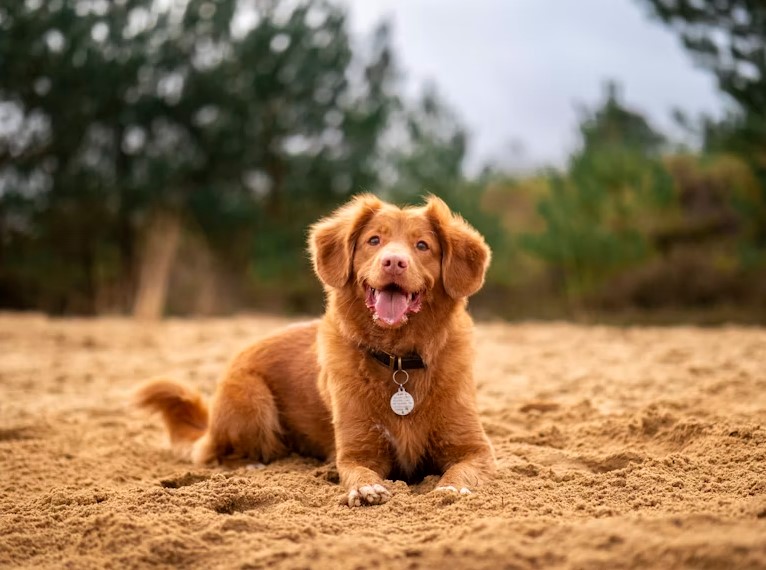
The Pugapoo: Complete 2026 Guide to This Adorable Pug-Poodle Designer Mix
The Pugapoo, also known as a Pugoodle or Pugalier in some circles, is a charming designer dog that combines the lovable, wrinkly-faced Pug with the intelligent, hypoallergenic Poodle. This hybrid has gained popularity among families, apartment dwellers, and allergy-conscious pet parents seeking a small, affectionate companion with a dash of Poodle elegance and Pug personality.

Pugapoos typically weigh 10–25 pounds and stand 8–15 inches tall, making them perfect portable pets. They often inherit the Pug’s clownish charm and the Poodle’s trainability, resulting in a playful, loyal dog that thrives on human companionship. This in-depth guide covers everything from history and appearance to health, grooming, training, and long-term care to help you decide if a Pugapoo is the right addition to your family.
Check Also: Pug Puppies
History and Origins of the Pugapoo
Designer dogs like the Pugapoo emerged prominently in the late 20th and early 21st centuries as breeders sought to combine desirable traits from purebred parents. The Pug, an ancient breed with roots in China and refined in the Netherlands and England, is known for its companionable nature. The Poodle, originating in Germany as a water retriever, brings intelligence and a low-shedding coat.
The Pugapoo cross aims to create a dog with the Pug’s affectionate, people-pleasing demeanor and the Poodle’s curly coat and smarts, potentially reducing some brachycephalic issues while maintaining cuteness. While not recognized by major kennel clubs like the AKC as a pure breed, Pugapoos are registered with designer dog organizations and have grown in demand due to their size and temperament. Most come from first-generation (F1) crosses, though multi-generational breedings exist.
Physical Characteristics of the Pugapoo
Pugapoos display wide variation due to the genetic lottery of mixed breeds:
- Size: Toy to small — 8–15 inches tall at the shoulder; 10–25 pounds (some smaller “mini” versions exist).
- Coat: Ranges from short and smooth (more Pug influence) to curly or wavy (more Poodle). Many have a soft, medium-length coat that is lower-shedding than a pure Pug.
- Colors: Fawn, black, apricot, cream, white, silver, or parti-colored combinations.
- Face and Features: Often a shorter muzzle than a pure Poodle but not as extreme as a Pug. Expressive dark eyes, floppy or button ears, and a curly or screw tail.
- Build: Compact and sturdy with a Pug-like body but potentially longer legs from Poodle ancestry.
Puppies are especially adorable, resembling tiny teddy bears. Adult coats usually settle by 12–18 months.
Temperament and Personality
Pugapoos typically blend the best of both worlds:
- Affectionate and Loyal: Velcro dogs that love cuddling and being involved in family activities.
- Playful and Fun-Loving: They retain the Pug’s clownish sense of humor and the Poodle’s zest for games.
- Intelligent and Trainable: Poodle smarts make them quicker learners than pure Pugs, though stubbornness can appear.
- Good with Families: Generally excellent with respectful children and other pets when socialized.
- Watchdog Potential: Alert barkers who announce visitors without excessive noise.
They can suffer from separation anxiety if left alone too long and may develop small-dog syndrome (bossiness) without proper boundaries. Early socialization and positive training are key.
Caring for a Pugapoo Puppy
The first few months are crucial. Puppy-proof your home and establish routines for feeding, potty training, and sleep. Pugapoos are prone to hypoglycemia as puppies, so frequent small meals are important. Socialization windows (8–16 weeks) should include positive exposures to people, sounds, and environments.
Nutrition and Feeding Guidelines
Feed high-quality small-breed puppy food transitioning to adult formula around 9–12 months. Pugapoos are prone to obesity, so monitor portions carefully. Look for formulas supporting joint health and skin/coat (omega fatty acids). Split meals into 2–3 portions daily for adults to prevent overeating and digestive issues. Always provide fresh water.
Grooming Requirements
Grooming needs depend on coat type:
- Curly/Wavy Coats: Brush 3–4 times weekly; professional grooming every 6–8 weeks to prevent mats.
- Shorter Coats: Weekly brushing suffices.
- General Care: Regular ear cleaning (Poodles are prone to infections), nail trims, dental brushing (Pugs have crowded teeth), and wrinkle cleaning if present.
They are often more hypoallergenic than pure Pugs but still shed somewhat.
Exercise and Activity Needs
Pugapoos need moderate daily exercise — 30–45 minutes of walks, play, and mental stimulation. They enjoy short brisk walks, fetch, puzzle toys, and indoor games. Avoid over-exertion in heat due to potential brachycephalic traits. Mental enrichment prevents boredom and destructive behavior.
Training and Socialization
Positive reinforcement works best. Use treats, praise, and short sessions. Focus on house training (can be stubborn), basic commands, leash manners, and bark control. Puppy classes provide excellent socialization. Consistency and patience yield great results thanks to Poodle intelligence.
Health Profile and Common Issues
Pugapoos can benefit from hybrid vigor but may inherit issues from both parents:
- Brachycephalic Airway Syndrome (breathing difficulties)
- Patellar Luxation
- Eye Problems (dry eye, ulcers, cataracts)
- Dental Issues
- Allergies and Skin Conditions
- Hip Dysplasia (less common)
- Sebaceous Adenitis (from Poodle side)
Average lifespan: 12–15+ years with good care. Choose breeders who health-test parents (OFA, CERF, DNA tests). Regular vet check-ups, weight management, and dental care are essential.
Living Environment and Adaptability
Excellent for apartments, condos, or houses with yards. They adapt well to various lifestyles but need companionship. Not ideal for extreme heat or cold — provide climate control and avoid strenuous activity in poor weather.
Pros and Cons of Owning a Pugapoo
Pros:
- Adorable appearance and big personality
- Affectionate and family-friendly
- Often lower shedding
- Trainable and intelligent
- Good size for most homes
Cons:
- Potential breathing and eye issues
- Grooming maintenance
- Can be prone to obesity and separation anxiety
- Variable traits in each litter
- Higher vet costs possible
Real Owner Experiences
Owners frequently describe Pugapoos as “the perfect lap dog with energy for playtime.” Many praise their cuddly nature and ability to make people laugh. Challenges often involve managing breathing in warm weather and consistent grooming. Well-bred, properly socialized Pugapoos tend to be happy, outgoing companions.
Finding a Responsible Pugapoo Breeder or Rescue
Avoid puppy mills. Look for breeders who:
- Health test parents
- Allow visits and provide records
- Focus on temperament and health over profit
Consider rescues or shelters — many mixed breeds, including Pugapoos, need homes.
Long-Term Care and Senior Years
Senior Pugapoos (8+ years) may need joint supplements, softer food, more frequent vet visits, and adjusted exercise. Continue dental care and weight monitoring for quality of life.
Comparison to Parent Breeds
Compared to Pugs, Pugapoos often have better breathing and coats. Versus Poodles, they tend to be more laid-back and cuddly. The mix aims for balance but requires careful selection.
FAQs About Pugapoos
1. How big do Pugapoos get? Most weigh 10–25 pounds and stand 8–15 inches tall, though sizes vary.
2. Are Pugapoos hypoallergenic? They are often better for allergy sufferers than pure Pugs due to Poodle influence, but not completely hypoallergenic.
3. How much exercise does a Pugapoo need? 30–45 minutes daily of moderate activity, including walks and play.
4. Do Pugapoos shed? Moderately, depending on coat type — less than Pugs but more than pure Poodles.
5. Are Pugapoos good with children? Yes, when socialized and supervised, especially with gentle older kids.
6. What health issues are common in Pugapoos? Breathing problems, eye issues, patellar luxation, dental disease, and allergies.
7. How long do Pugapoos live? Typically 12–15 years or more with proper care.
8. Are Pugapoos easy to train? Generally yes, thanks to Poodle intelligence, though Pug stubbornness can appear.
9. Do Pugapoos bark a lot? They can be vocal watchdogs but respond well to training.
10. Is a Pugapoo right for first-time owners? Often yes, due to their adaptable and affectionate nature, provided owners commit to grooming and health care.
Conclusion
The Pugapoo offers a delightful blend of Pug charm and Poodle elegance in a compact, loving package. These dogs bring joy, laughter, and unwavering companionship to families willing to meet their moderate grooming, exercise, and health needs. While they can inherit some challenges from their parent breeds, responsible breeding and attentive care help Pugapoos live long, happy lives.
If you’re seeking a small dog with personality, cuddliness, and a touch of sophistication, the Pugapoo may be an excellent match. Prioritize ethical sourcing, early training and socialization, proactive veterinary care, and lots of love. With the right environment, your Pugapoo will reward you with years of tail-wagging happiness and unforgettable moments.
Ready to welcome a Pugapoo into your home? Research thoroughly, prepare your space, and get ready for a lifetime of snuggles, play, and big smiles from one of the cutest designer mixes around.