
How to Make Bone Broth for Dogs: A Nutritious, Homemade Superfood Recipe Guide
Bone broth has become a popular addition to many dogs’ diets as a nutrient-dense, easy-to-digest supplement that supports joint health, digestion, skin and coat quality, and overall wellness. Made by simmering raw animal bones for an extended period, bone broth extracts collagen, gelatin, amino acids, minerals (like calcium, magnesium, and phosphorus), glucosamine, chondroitin, and hyaluronic acid. These compounds can help maintain healthy joints, soothe the gut lining, promote better hydration, and even support immune function. Unlike store-bought versions made for humans, homemade bone broth for dogs avoids harmful ingredients like onions, excessive garlic, high sodium, or artificial additives.
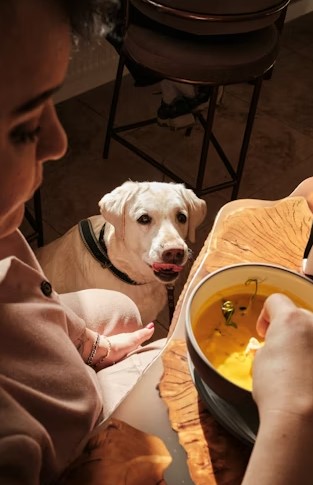
Making bone broth at home is cost-effective, allows full control over ingredients, and ensures freshness. It is suitable for most dogs, including seniors with arthritis, dogs recovering from illness, picky eaters, or those needing extra hydration. However, it is not a complete meal replacement and should complement a balanced diet. Always consult your veterinarian before introducing new foods, especially if your dog has kidney issues, pancreatitis, or other health conditions, as high mineral content or fat may need monitoring.
Check Also: Homemade Dog Food Recipes Vet Approved
This comprehensive 3000-word guide covers the benefits, safe ingredients, step-by-step recipes for different cooking methods (slow cooker, stovetop, Instant Pot/pressure cooker), storage tips, serving suggestions, potential risks, and troubleshooting. You’ll also find variations and an extensive FAQs section.
Why Make Bone Broth for Dogs? Key Benefits
Bone broth offers several evidence-based and anecdotal benefits when prepared correctly:
- Joint and Bone Support: The long simmering process breaks down cartilage into gelatin and releases glucosamine and chondroitin, which may help lubricate joints and reduce inflammation associated with arthritis or hip dysplasia.
- Gut Health: Gelatin and collagen help repair the intestinal lining, potentially easing issues like leaky gut, diarrhea, or inflammatory bowel conditions. It acts as a prebiotic-like food for beneficial gut bacteria.
- Skin and Coat Health: Collagen and healthy fats contribute to a shinier coat, reduced shedding, and better skin elasticity. Omega-rich marrow supports overall skin barrier function.
- Hydration and Appetite Stimulation: The liquid form is appealing to dehydrated or sick dogs. Its savory aroma often encourages eating during illness or recovery.
- Immune and General Wellness: Minerals and amino acids (glycine, proline, glutamine) support immune function, muscle repair, and detoxification processes.
- Digestibility: Gentle on sensitive stomachs, bone broth is easier to digest than many solid foods and can be used to moisten dry kibble or rehydrate dehydrated meals.
Many owners report improved mobility in senior dogs, better stool quality, and increased energy after regular use. It is especially helpful during transitions (e.g., switching foods) or post-surgery recovery.
Important Safety Considerations Before Starting
While homemade bone broth is generally safe, follow these rules strictly:
- Use only raw bones for the broth base. Never use cooked bones from your table scraps, as cooking makes them brittle and prone to splintering, which can cause choking, intestinal blockages, or perforations.
- Avoid toxic ingredients: No onions, garlic (in large amounts; small amounts are debated but often avoided for safety), chives, leeks, excessive salt, or seasonings like pepper or spices that irritate the stomach.
- Choose quality sources: Opt for grass-fed, pasture-raised, or organic bones whenever possible to minimize antibiotics, hormones, or contaminants. Source from butchers, farmers’ markets, or reputable suppliers.
- Portion control: Bone broth is calorie-dense due to fat and gelatin. Start with small amounts (1–2 tablespoons per 10–20 pounds of body weight daily) and monitor weight and stool.
- Consult your vet: Dogs with kidney disease, heart issues, or pancreatitis may need low-mineral or low-fat versions. Puppies, pregnant dogs, or those with specific allergies require tailored advice.
- Hygiene: Use clean equipment and refrigerate or freeze promptly to prevent bacterial growth.
Choosing the Right Bones and Ingredients
The best bones for nutrient extraction are those rich in joints, cartilage, and marrow:
- Beef: Marrow bones, knuckle bones, oxtail, or soup bones. Beef provides robust flavor and high collagen.
- Chicken: Feet (excellent for gelatin due to many joints), necks, backs, or carcasses. Chicken feet are a top choice for many recipes.
- Other options: Turkey necks/frames, pork feet or knuckles, lamb bones. Rotate proteins for variety.
Dog-Safe Add-Ins (optional, for flavor and extra nutrients):
- Carrots and celery (chopped) — provide vitamins and mild sweetness.
- Fresh parsley or thyme (small handful) — antioxidants and flavor.
- Apple cider vinegar (raw, unfiltered, 2–4 tablespoons per batch) — helps draw minerals and gelatin from bones.
- Optional extras: A small piece of ginger or turmeric root (anti-inflammatory), green beans, kale (in moderation), or blueberries for antioxidants. Avoid excessive amounts.
Basic ratio for a standard batch (makes about 8–12 cups):
- 2–4 pounds raw bones (mix of marrow and joint bones).
- 2–4 carrots, roughly chopped.
- 2–4 celery stalks, roughly chopped.
- ¼ cup apple cider vinegar.
- Filtered water to cover bones by 2–3 inches.
- Optional: Small bunch parsley or thyme.
Step-by-Step Recipe: Slow Cooker Method (Easiest for Most Owners)
The slow cooker (Crock-Pot) method is popular because it is hands-off and safe for long simmering.
- Prepare ingredients: Rinse bones if needed (do not wash vegetables thoroughly—some dirt is fine). Place raw bones in the slow cooker. Add chopped carrots, celery, and herbs if using.
- Add vinegar and water: Pour in ¼ cup apple cider vinegar. Cover everything with filtered water, leaving 2–3 inches of headspace. Stir gently.
- Cook: Set to high for the first 1–2 hours until it reaches a gentle simmer, then switch to low. Simmer for 12–24 hours for chicken/turkey or 24–48 hours for beef/pork/lamb. The longer the simmer (within safe limits), the more nutrients extracted. Check occasionally and add water if needed to keep bones submerged.
- Cool and strain: Turn off the cooker and let cool slightly. Strain through a fine-mesh sieve or cheesecloth into a large bowl or jars, discarding solids (bones will be soft and crumbly—never feed cooked bones to dogs). Skim off the fat layer once cooled (optional; some owners leave a thin layer for flavor).
- Portion and store: Pour into ice cube trays, silicone molds, or airtight containers. Refrigerate for up to 5–7 days or freeze for 3–6 months. Frozen cubes are convenient for daily portioning.
Yield: Varies by pot size, but a standard 6-quart slow cooker with 3 pounds of bones yields 8–12 cups of broth.
Alternative Cooking Methods
Stovetop Method:
- Use a large stockpot. Follow the same ingredient steps.
- Bring to a boil, then reduce to the lowest simmer (barely bubbling).
- Simmer covered for 6–12 hours (chicken) or 12–24+ hours (beef), adding water as needed.
- Monitor closely for safety—do not leave unattended for long periods.
Instant Pot / Pressure Cooker Method (Faster Option):
- Add bones, vegetables, vinegar, and water (do not exceed max fill line).
- Seal and cook on high pressure: 2–4 hours for chicken, 3–4+ hours for beef (some recipes use shorter times with good results).
- Allow natural pressure release.
- Strain as above. This method extracts nutrients efficiently in less time but may yield slightly less gelatin than ultra-long simmers.
Tips for All Methods:
- Roast bones at 400°F for 30–45 minutes beforehand for richer flavor and color (optional).
- For clearer broth, skim foam during the first hour.
- If the broth gels when cooled (like Jell-O), it indicates high collagen content—excellent sign!
Serving Bone Broth to Your Dog
- Daily amount: Start small—1–2 teaspoons for small dogs, 1–2 tablespoons for medium, up to ¼–½ cup for large dogs, divided into meals. Adjust based on tolerance and calories.
- Ways to serve: Warm slightly (not hot) and pour over kibble, mix with wet food, serve as a treat, or freeze into pupsicles.
- For picky eaters or sick dogs: The aroma often stimulates appetite. Use as a topper or to moisten food.
- For seniors or joint support: Daily use may help mobility—monitor with your vet.
- Hydration boost: Excellent in hot weather or for dogs that drink little water.
Rotate proteins (beef one batch, chicken the next) to provide varied nutrients and prevent sensitivities.
Storage, Shelf Life, and Batch Tips
- Refrigerator: Up to 5–7 days in airtight glass jars or containers.
- Freezer: 3–6 months. Use ice cube trays or muffin tins for easy portions, then transfer to freezer bags.
- Thawing: Overnight in the fridge or warm gently in a bowl of hot water.
- Batch size: Make large batches and freeze to save time. Label with date and ingredients.
If the broth develops an off smell or mold, discard it. Fresh broth should smell savory and meaty.
Potential Risks and When to Avoid Bone Broth
- High fat content: Skim most fat if your dog is prone to pancreatitis.
- Mineral overload: Dogs with kidney disease may need low-phosphorus diets—consult your vet.
- Allergies: Rare, but monitor for itching or digestive upset with new proteins.
- Over-supplementation: Bone broth is a supplement, not a meal. Balance with complete commercial or homemade balanced diets.
- Cooked bones danger: Never feed the spent bones.
Puppies, pregnant/lactating dogs, or those on medications should only use bone broth under veterinary supervision.
Variations and Customizations
- Anti-inflammatory version: Add a small piece of fresh turmeric root or a pinch of turmeric powder (with black pepper for absorption, but use sparingly).
- Gut-soothing: Include a handful of chopped green beans or pumpkin puree during cooking.
- Immune boost: Small amounts of medicinal mushrooms (like reishi or chaga, dog-safe varieties) or blueberries.
- Low-fat: Use leaner bones and skim thoroughly.
- Single-protein: Stick to one type for dogs with sensitivities.
Experiment safely and introduce one change at a time.
Troubleshooting Common Issues
- Broth not gelling: Use more joint-rich bones (chicken feet, knuckles) and longer simmer time. Vinegar helps extraction.
- Too bland: Roast bones first or add more dog-safe herbs.
- Cloudy broth: Normal for homemade; strain well or skim foam.
- Dog refuses it: Warm slightly, mix with favorite food, or freeze as treats.
- Diarrhea: Reduce amount, ensure fat is skimmed, or dilute with water. Stop and consult vet if persistent.
Conclusion
Making bone broth for dogs is a simple, rewarding way to provide a nutrient-packed, homemade superfood that supports joint health, digestion, hydration, and overall vitality. With just a few safe ingredients—raw bones, apple cider vinegar, optional dog-friendly vegetables, and water—you can create a versatile broth using a slow cooker, stovetop, or pressure cooker. The long simmering process unlocks collagen, gelatin, minerals, and amino acids that commercial foods may not deliver as effectively.
By controlling every ingredient, you avoid toxins like onions and excess salt while tailoring the broth to your dog’s needs. Start with small servings, monitor your dog’s response, and work with your veterinarian to integrate it safely into their diet. Whether used daily as a topper, occasionally for digestive support, or during recovery periods, homemade bone broth can become a valuable part of your dog’s wellness routine.
The process is forgiving and scalable—make a big batch on a weekend and enjoy the convenience of frozen portions for weeks. Beyond the nutritional benefits, the act of preparing fresh food for your dog strengthens the bond and gives peace of mind that you’re offering something wholesome and loving.
Give this recipe a try with high-quality raw bones, and watch your dog enjoy the savory results. With consistency and care, bone broth can contribute to a happier, healthier life for your canine companion—one nourishing sip at a time.


