Fluffy Frenchie: The Complete 2026 Guide to the Long-Haired French Bulldog
The Fluffy Frenchie, also known as the Long-Haired French Bulldog or Fluffy French Bulldog, is one of the most charming and visually striking variations of the French Bulldog breed. While traditional French Bulldogs have short, smooth coats, the fluffy Frenchie possesses a soft, silky, longer coat that gives them a teddy-bear-like appearance. Their bat ears framed by flowing fur, combined with their signature wrinkled faces and muscular bodies, create an irresistibly cute and unique look that has captured the hearts of dog lovers worldwide.
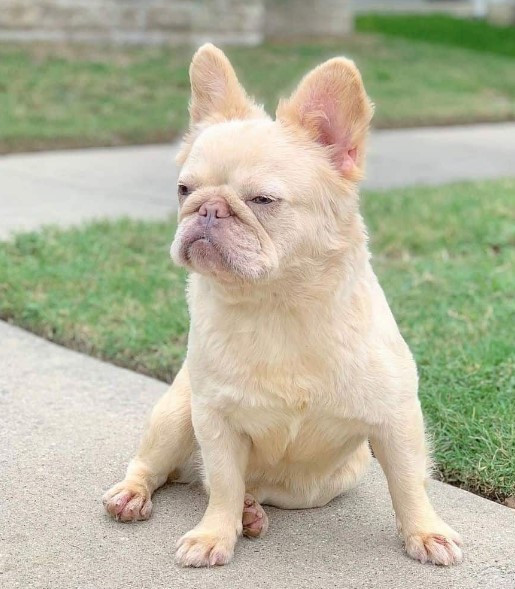
In 2026, fluffy Frenchies continue to grow in popularity as companion dogs, even though they are not recognized for conformation showing by major kennel clubs like the AKC or FCI. This comprehensive 3000-word guide explores everything about the fluffy Frenchie — its genetics, history, physical traits, temperament, care requirements, grooming needs, health considerations, ethical breeding concerns, pricing, and real-life ownership experiences. Whether you are considering adding a fluffy Frenchie to your family or simply want to understand this adorable variation better, this article provides clear, balanced, and practical information.
Check Also: French Bulldog Colors
The Genetics and Origins of the Fluffy Frenchie
The long-haired coat in French Bulldogs is caused by a recessive gene (often referred to as the “fluffy gene” or L locus). For a puppy to be born fluffy, both parents must carry the recessive long-hair gene. This means that even two short-haired French Bulldogs can produce fluffy puppies if they are both carriers.
The fluffy trait likely traces back to occasional long-haired individuals that appeared naturally in French Bulldog bloodlines over the decades. Some breeders believe the gene may have been introduced through distant crosses with other small breeds in the early development of the Frenchie. Because the long-hair gene is recessive, it remained relatively rare until dedicated breeders began intentionally producing fluffy Frenchies in the 2010s and 2020s.
Unlike “designer” colors such as blue, lilac, or merle (which are often criticized for health risks), the fluffy gene itself does not appear to carry major negative health consequences when bred responsibly. However, because producing fluffies sometimes involves working with smaller gene pools or outcrossing, overall health and conformation must be carefully monitored.
Physical Characteristics of Fluffy Frenchies
Fluffy Frenchies share the same compact, muscular body structure as standard French Bulldogs but are distinguished by their coat:
- Size and Build: Same as standard Frenchies — 11–13 inches tall at the shoulder, weighing 16–28 pounds. They have the characteristic heavy-boned, stocky frame with a broad chest and short back.
- Coat: Soft, silky, and longer than the standard short coat. Length varies from 1 to 3 inches, with noticeable feathering on the ears, legs, and tail. The coat feels plush and teddy-bear-like.
- Ears: Large bat ears are often framed by longer fur, giving a softer, more rounded appearance.
- Face and Wrinkles: Retain the classic Frenchie wrinkles and expressive eyes, but the longer coat can make the face appear slightly fuller.
- Tail: Short and often curled; the fluffy version may have more feathering.
- Color Variations: Fluffy Frenchies can appear in any French Bulldog color, including fawn, brindle, pied, cream, blue, lilac, and chocolate. The long coat often makes colors appear softer and more blended.
Puppies are born with slightly longer, fluffier coats than standard Frenchies, but the full plush texture usually becomes most apparent between 4–8 months of age.
Temperament and Personality of Fluffy Frenchies
Fluffy Frenchies generally share the same wonderful personality traits as standard French Bulldogs:
- Affectionate and Velcro Dogs: They love being close to their humans and often follow their owners from room to room.
- Playful and Clownish: They have a silly, entertaining side with bursts of energy followed by long naps.
- Gentle with Families: Well-socialized fluffy Frenchies are usually excellent with respectful children and can get along with other pets.
- Alert but Not Excessive Barkers: They make good watchdogs with their characteristic grunts, snorts, and “talking,” but are not yappy.
- Sensitive Souls: Like most Frenchies, they can be emotionally sensitive. Harsh training or lack of companionship can lead to anxiety.
Many owners report that the fluffy coat makes them feel even softer and more cuddly, enhancing the already strong bond people form with French Bulldogs. Their temperament is not significantly different from short-haired Frenchies — personality depends far more on genetics, socialization, and upbringing than coat length.
Grooming Requirements for Fluffy Frenchies
This is the biggest difference between fluffy and standard French Bulldogs. The longer coat requires significantly more maintenance:
- Daily Brushing: Essential to prevent matting, especially behind the ears, under the legs, and around the tail. Use a slicker brush or soft pin brush.
- Professional Grooming: Most owners take their fluffy Frenchie every 4–8 weeks for a full groom, trim, and sanitary shave.
- Bathing: Every 3–4 weeks with a gentle dog shampoo. Over-bathing can dry out the skin.
- Ear Care: Fluffy ears can trap more moisture and debris, so weekly cleaning is important to prevent infections.
- Wrinkle Cleaning: Daily cleaning of facial folds remains critical, as with all Frenchies.
- Nail Trimming: Every 2–4 weeks.
The fluffy coat sheds moderately but can create more visible hair around the house than the short coat. Regular brushing helps manage shedding.
Health Considerations for Fluffy Frenchies
Fluffy Frenchies face the same brachycephalic health challenges as standard French Bulldogs:
- Breathing difficulties (BOAS)
- Overheating risk
- Eye problems (cherry eye, dry eye, corneal ulcers)
- Skin fold dermatitis
- Hip dysplasia and patellar luxation
- Spinal issues
The long-hair gene itself does not appear to introduce major additional health risks. However, because some breeders produce fluffies by working with limited gene pools or occasional outcrossing, it is crucial to choose breeders who prioritize health testing (hips, eyes, heart, respiratory function, and spine).
Lifespan is typically 10–12 years with excellent care, though some fluffy Frenchies live 13–14 years when kept at a healthy weight and given proper veterinary attention.
Exercise and Care Needs
Fluffy Frenchies have moderate exercise requirements:
- Short daily walks (15–30 minutes total, split into sessions).
- Indoor play and mental stimulation (puzzle toys, short training games).
- Avoid intense exercise, especially in warm or humid weather.
- Never leave them outside unsupervised in heat.
Their compact size makes them excellent apartment dogs, provided they receive enough attention and gentle activity.
Pricing and Availability in 2026
Fluffy Frenchie puppies from reputable breeders typically cost between $4,000 and $10,000+, significantly more than standard short-haired Frenchies. Prices vary based on color, lineage, health testing, and the breeder’s reputation. Because the fluffy gene is recessive, litters may produce a mix of fluffy and smooth puppies, which affects supply and demand.
Many ethical breeders focus on producing healthy, well-structured fluffy Frenchies rather than mass-producing them for profit. Be wary of extremely high prices that seem driven purely by the “fluffy” novelty.
Ethical Considerations When Buying a Fluffy Frenchie
- Prioritize health testing over coat type.
- Choose breeders who are transparent about genetics and willing to show health clearances.
- Avoid breeders who produce fluffies solely for high profit without proper health screening.
- Consider adopting from French Bulldog rescues — occasional fluffy Frenchies or mixes do become available.
Responsible breeding of fluffy Frenchies focuses on maintaining good conformation, breathing ability, and overall health while introducing the long-hair gene.
Pros and Cons of Owning a Fluffy Frenchie
Pros:
- Extremely adorable teddy-bear appearance.
- Soft, cuddly coat that many people find more huggable.
- Same loving, clownish Frenchie personality.
- Unique and eye-catching.
Cons:
- Significantly higher grooming requirements and costs.
- More visible shedding than short-haired Frenchies.
- Potentially higher purchase price.
- Same brachycephalic health risks as standard Frenchies.
Frequently Asked Questions (FAQs)
1. What is a fluffy Frenchie? A long-haired variety of the French Bulldog caused by a recessive gene. They have a soft, silky coat that is longer than the standard short coat.
2. Are fluffy Frenchies recognized by the AKC? No. They are not accepted for conformation showing, but they are becoming popular as companion and pet dogs.
3. Do fluffy Frenchies have more health problems? The long-hair gene itself does not cause major health issues, but they share all the standard French Bulldog brachycephalic risks. Choose health-tested parents.
4. How much grooming does a fluffy Frenchie need? Daily brushing and professional grooming every 4–8 weeks. Ear and wrinkle care remain essential.
5. Are fluffy Frenchies more expensive? Yes, usually $4,000–$10,000+ compared to $2,500–$5,000 for standard short-haired Frenchies.
6. Do fluffy Frenchies shed more? They shed moderately but the longer coat makes hair more noticeable around the house.
7. Can two smooth Frenchies produce fluffy puppies? Yes, if both parents carry the recessive long-hair gene.
8. Are fluffy Frenchies good with children? Yes, when properly socialized. They are generally gentle but should be supervised with young kids due to their small size.
9. How long do fluffy Frenchies live? Average lifespan is 10–12 years with good care, similar to standard French Bulldogs.
10. Is the fluffy coat harder to keep clean? Yes, because dirt and debris can hide in the longer fur. Regular brushing and grooming help.
11. Should I buy a fluffy Frenchie as a first-time owner? Possible, but be prepared for higher grooming costs and the same Frenchie care requirements (heat sensitivity, breathing issues, etc.).
12. Where can I find a reputable fluffy Frenchie breeder? Look for breeders who health-test extensively, raise puppies in the home, and are transparent about genetics. Avoid anyone selling purely based on the “fluffy” novelty.
Conclusion
The fluffy Frenchie offers a delightful twist on the already charming French Bulldog breed. With their soft, teddy-bear coats, expressive bat ears, and loving personalities, they bring an extra level of cuddliness and visual appeal that many owners find irresistible. While they require more grooming and often come with a higher price tag, the joy they provide through their unique appearance and affectionate nature makes them wonderful companions for the right families.
As with any French Bulldog, the most important factors remain health, responsible breeding, proper socialization, and a commitment to meeting their special care needs — especially regarding breathing, overheating, and grooming. A healthy, well-bred fluffy Frenchie from parents with excellent health clearances can live a happy, fulfilling life as a beloved family member.
If you are drawn to the fluffy Frenchie’s adorable look, take time to research breeders thoroughly, understand the commitment involved, and consider whether you are ready for the extra grooming and potential veterinary costs that come with the breed. Many owners say the extra fluff is worth every brush stroke and every snort-filled cuddle.
Whether your Frenchie has short, smooth fur or the plush, silky coat of a fluffy Frenchie, the real magic lies in the unconditional love, silly personality, and daily joy these dogs bring into our lives. Choose with your heart and your head — and prepare to fall completely in love with your very own fluffy (or smooth) Frenchie.